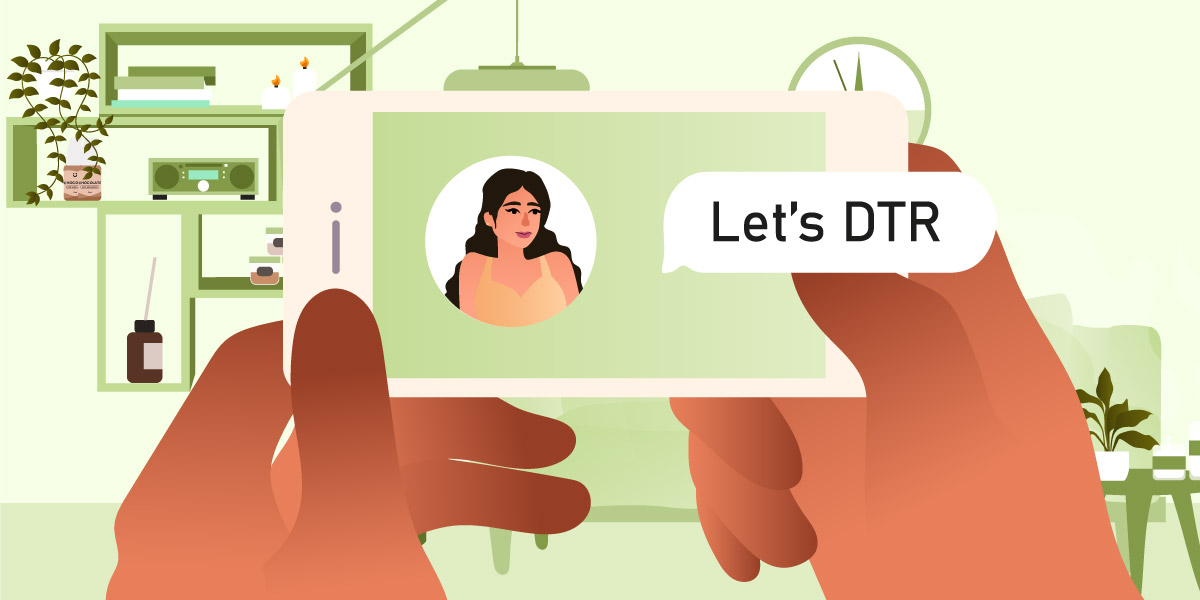
Everybody who’s dated has probably experienced that phase of a relationship where you’re both spending so much time together and being intimate with one another, but for some reason, you’re both afraid to clear things up and put a label on the relationship.
Some people set an ultimatum or timeline for when a relationship should be defined, while others go with the vibe. Whether you’re in the first or second group doesn’t really matter, as we all have our preferences.
But for those wondering if labels in relationships matter, or what the effects of an undefined relationship could be, this guide has got you covered.
What You’ll Learn
- What a relationship ‘label’ is
- Why relationship labels matter to some people
- Why some people avoid defining the relationship
- When to label the relationship
Labels: What Are They, Anyway?

First things first, what exactly are labels in a relationship context?
A label is a term that defines the nature of a romantic connection. In a relationship, you’ll label the other person as your boyfriend, girlfriend, partner, significant other, or “jowa.” If you’re seeing someone exclusively, but you’re not officially in a relationship yet, you may refer to that person as “someone I’m seeing” or “a person I’m exclusively dating.”
There are also unconventional labels like “it’s complicated” or “friends with benefits.” This is usually labeled for couples who are engaging in romantic and sexual acts but aren’t fully committed enough to be in a relationship— it works for people who prefer non-committed relationships and folks who are still healing from a previous relationship and want to have no-strings-attached fun.
Why You Should Put a Label On It
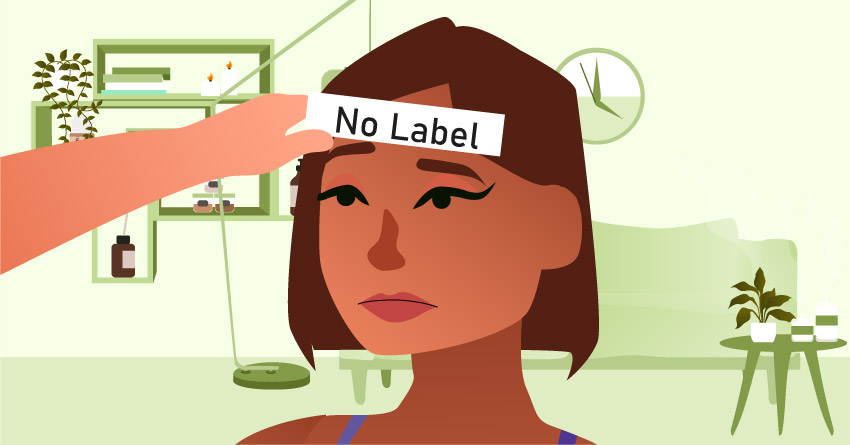
1It helps people align their expectations in a relationship.
In this modern era, you can’t assume that everyone is dating with the intention of marrying and living a traditional family life. Of course, many people still have those intentions, but more and more people date simply for casual fun, as they may be dealing with certain issues that make it harder to commit to a relationship.
That’s why it’s so important to establish a label in a relationship, as it helps you see whether your expectations align. It can prevent further heartbreak if you realize you’re heading in different directions, and if you are on the same page, it removes the stress of wondering about the real score of the relationship.
2It helps lay down ground rules in the relationship.
Having a label prevents either party from being in limbo or constantly wondering about the dos and don’ts of the relationship. It helps establish ground rules, like how exclusive the relationship is, whether seeing other people is okay, and how intimate the relationship should be, in a sexual or emotional sense.
3It solidifies the connection.
If both people are committed, having a label becomes a meaningful part of the relationship. It reinforces that commitment and signals a shared willingness to define what you have, which is something not everyone feels ready or comfortable doing. The label serves as a quiet affirmation of each other’s love.
Why Some People Don’t Like Labels

On the flip side, some argue that labels can be confining. Labeling the relationship too early can stifle its organic growth. An undefined relationship can allow individuals to explore their feelings without the weight of expectations.
Not only that, but society has a knack for attaching expectations to labels. People automatically assume certain things about your relationship when you introduce someone as your boyfriend, girlfriend, partner, or significant other. Suddenly, your aunts ask about wedding plans, and your barkada is already discussing your future engagement.
This is also why some people prefer being lowkey on social media, as the more people know about one’s relationship, the more people meddle in it.
Having a label can also cause some confusion. For instance, the term “boyfriend” might carry different connotations for different people. For some, it signifies commitment and exclusivity; for others, it means a person they are dating casually. Navigating these societal expectations can be tricky, as labels often come with unwritten rules that dictate how people in certain roles should behave.


 Sold Out

Communication is the Key

It may sound cliche at this point, but communication is truly the key to labeling a relationship. Labels or not, being on the same page is crucial. Imagine labeling your relationship as a “situationship” while your partner thinks you’re already in a relationship. Awkward much?
So, to avoid complications and further heartbreaks, it’s important to talk about labels once the connection has been established.
For example, you’ve been seeing someone for five months now. If you’re not ready to label it, it’s best to tell your partner about it. This eliminates confusion and assumptions in the relationship. It’ll also help the other party decide whether to continue the connection or date someone willing to get exclusive.
On the other hand, if you’ve been dating someone for months now and they’re not talking about labeling the relationship, it’s better to ask them about it instead of assuming that you’re exclusive. This prevents further heartbreak as you might end up getting surprised if they want to end the connection, or you might find out they’re actually courting somebody else since, in their mind, they’re just casually dating you.



So, Do Labels Matter?

Overall, the significance of labels boils down to personal preferences and the unique dynamics between two individuals. Some may be okay with being in a relationship with no labels. At the same time, people may require it after reaching a certain point or milestone.
Labels aren’t necessarily a requirement at the early stages of the relationship. If you’ve been going with someone for the first weeks, you don’t necessarily have to call them your boyfriend or girlfriend just yet. This alleviates the pressure and lets the connection grow organically.
However, labels are significant once you’ve spent enough time with the other person and have fully established a romantic connection. Unless you’re into polyamory, a label ensures exclusivity and stability in the relationship, serving as a helpful signpost that indicates where the relationship is heading. So, if you prefer a committed relationship or plan to get married, setting labels will be a significant part of your relationship.
Summary
- A relationship label is a term used to define the true nature of a romantic connection. It helps couples determine whether their intentions and expectations are aligned, or if it’s better to move on and find someone who wants the same things. This can include being in a relationship, friends-with-benefits, an open relationship, or a casual setup.
- Some people avoid defining the relationship due to the pressure and responsibilities that come with labels, a fear of commitment, or not wanting to lose the thrill of new-relationship energy or the honeymoon phase.
- The importance of labels depends on the person. While some prefer to go with the flow, others want to date with intention. What matters most is finding someone whose goals align with yours and letting go of connections that don’t.