
Whether you’re a lesbian or part of the community, there’s a high chance you’ve heard of the term “Lesbian Bed Death”. This term has been around for some time, but is it actually real? Let’s delve into this further down below.
What is “Lesbian Bed Death?”
It’s the myth that lesbians who are in long-term relationships either quit having sex or have it infrequently. In a way, it’s a hasty generalization on lesbians because regardless of sexuality, everyone in relationships experiences a dip in their sex life every so often.
Potential Factors for Lesbian Bed Death
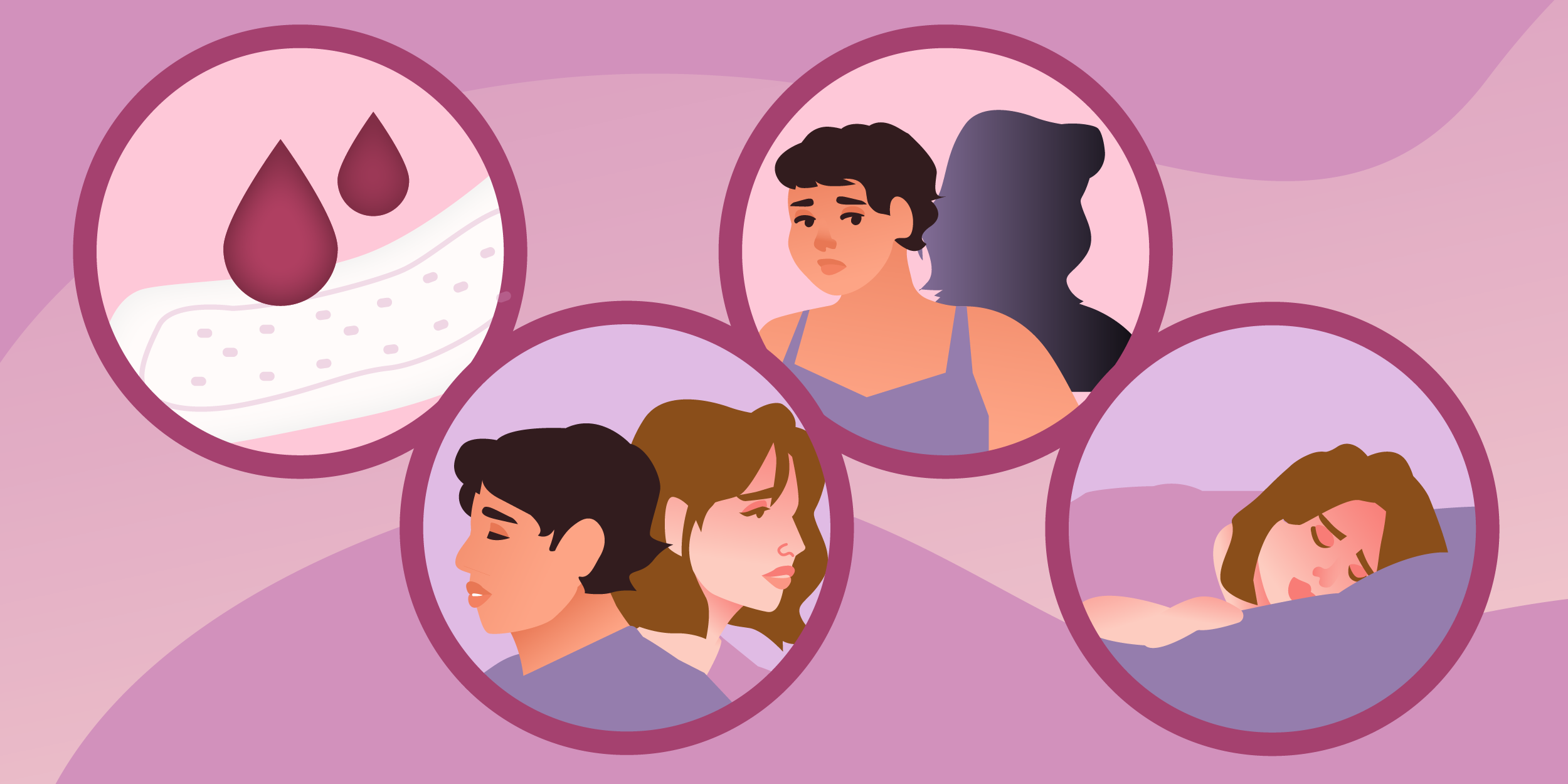
Let’s learn the different aspects that can lead to this phenomenon.
1Menstrual cycles and menopause
Women have fluctuating hormones, especially during the time of the month. Add another woman, and you just know it can be more hormonally chaotic.
2Mismatched libidos
You and your partner may be compatible, but sexually, it can differ. Your needs and interests are different from theirs, their stamina is different too, and so forth. This can lead to less sex, which can lead to lesbian bed death, even more when neither of you communicates about it.
3Relationship issues
It’s normal and common for a long-term couple to experience problems in their relationship. But if neither party works it out, it just creates friction and unhappiness. The problems they face may also be deep, like infidelity. Hence, there’s less sex, and they feel more alone. Potentially breaking up without bothering to work things out.
4Life transitions
Everyone, single or taken, experiences this. But regarding couples, those involved may have different lifestyles that make sex difficult. It can be different work schedules, priorities, health issues, and so forth. But even if time is made, they may be too tired to have sex with each other.
5Health issues
Physical health issues, such as hormonal changes, chronic illness, or fatigue, can lower sexual desire. Mental health challenges like depression, anxiety, or stress also play a significant role in reducing sexual activity. Being aware of these health-related influences allows couples to approach the issue with empathy and practical solutions.
Honestly, these reasons surrounding lesbian bed death also contribute to a lack of sexual interest for anyone.
Is It Bad?

It’s only bad if someone in the relationship is unhappy with that change. Other than that, some couples find joy in having less sex and express love and affection in other ways.
How to Prevent or Deal With It
Browse through this section here for helpful tips regarding lesbian bed death.
1Communicate.

If this is something you want to fix, it starts with a conversation. Finding time to talk about it with your partner. It’s only then that you’ll get to the root of the lack of sex or sexual interest.
2Check in with your emotions.

Amazing sex happens when you and your partner feel your best. So evaluate what you’re feeling and also go beyond the surface of your partner. Things should be in a good spot rather than there being negative ones. If there are, talk about it.
3Schedule sex.

This tip sounds like a mood-breaker, but it beats decision fatigue right away. To have sex or not? Check your calendar to see if you booked time for it. Plus, it’s easier when you and your partner live busy lives. You can plan and prepare ahead of time, and it gives you something to look forward to.
Even scheduling morning quickies before work may just spare you from being late.
4Try new things.

Exploring new activities together can keep a relationship fresh and exciting. It encourages teamwork and shared experiences, which strengthen your bond. Even small adventures, like cooking a new recipe or trying a hobby, can reignite curiosity and connection.
5Pay attention to emotional intimacy.

Regularly check in with your partner about their feelings and experiences. Being open and vulnerable fosters trust and understanding. Small gestures like listening without judgment or expressing appreciation can deepen emotional closeness.
6Make physical affection more common.

Simple touches, hugs, or holding hands embody love and affection. Such actions release oxytocin, which is responsible for strengthening emotional bonds and building trust. In turn, it makes each partner feel loved and appreciated.
7Seek professional help.
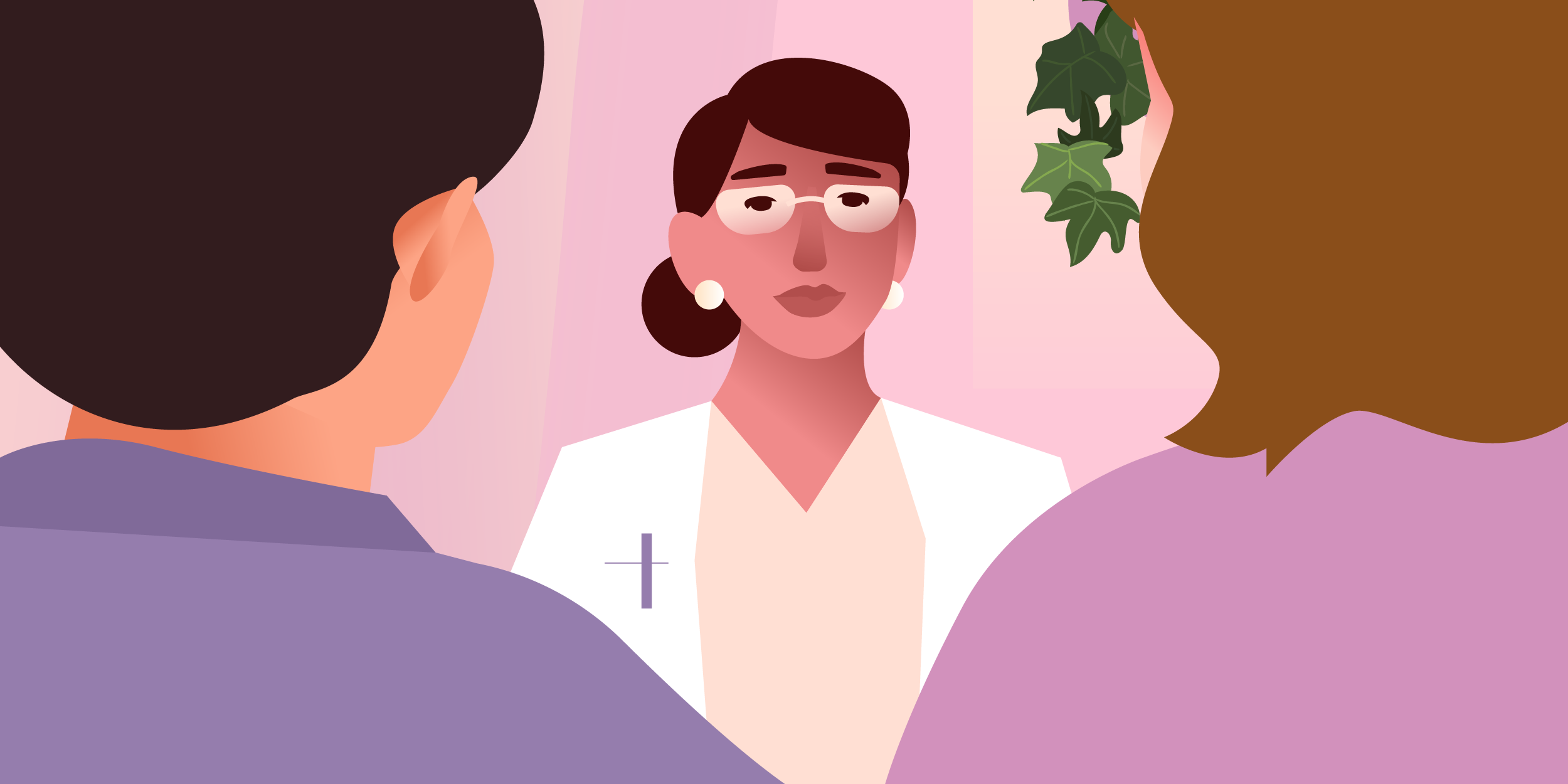
For some, applying these lifestyle changes may not be enough to handle this challenge. Hence, consulting with a therapist or counselor provides the necessary tools to navigate challenges and improve communication skills. They can also offer objective perspectives and strategies that are personalized to your relationship. Plus, it prevents further issues from happening.





Summary
- Lesbian bed death is the idea that long-term lesbian relationships lead to less sex is largely a myth. Any kind of relationship can experience dips every now and then.
- Hormonal changes, mismatched libidos, relationship problems, life transitions, and health issues can all affect sexual frequency.
- Reduced sexual activity isn’t inherently bad, though it only matters if it causes unhappiness for one or both partners.
- Open conversations, emotional check-ins, and maintaining intimacy help address sexual or emotional disconnect.
Scheduling sex, trying new activities, increasing physical affection, and seeking professional support can strengthen the relationship and maintain sexual connection.