Disclaimer: This health guide on labia types is intended to provide valuable information for the reader; however, it should not be used as a substitute for direct expert advice. Seek help from a medical professional for more guided advice on your labia type.
Ever catch yourself looking at those protruding lips when you wear tight clothing or when you’re naked? The one they say looks like a camel toe? You’re highly likely to check out the labia area.
Those lips may look peculiar at a glance, but they hold so much importance and vitality to a vulva owner. To top that off, they have different appearances.
In this guide, we’ll discuss the various types of labia, along with essential information about the labia and vulva area, which will debunk common misconceptions and provide you with a deeper understanding of reproductive health.
Let’s go!
What is The Labia?
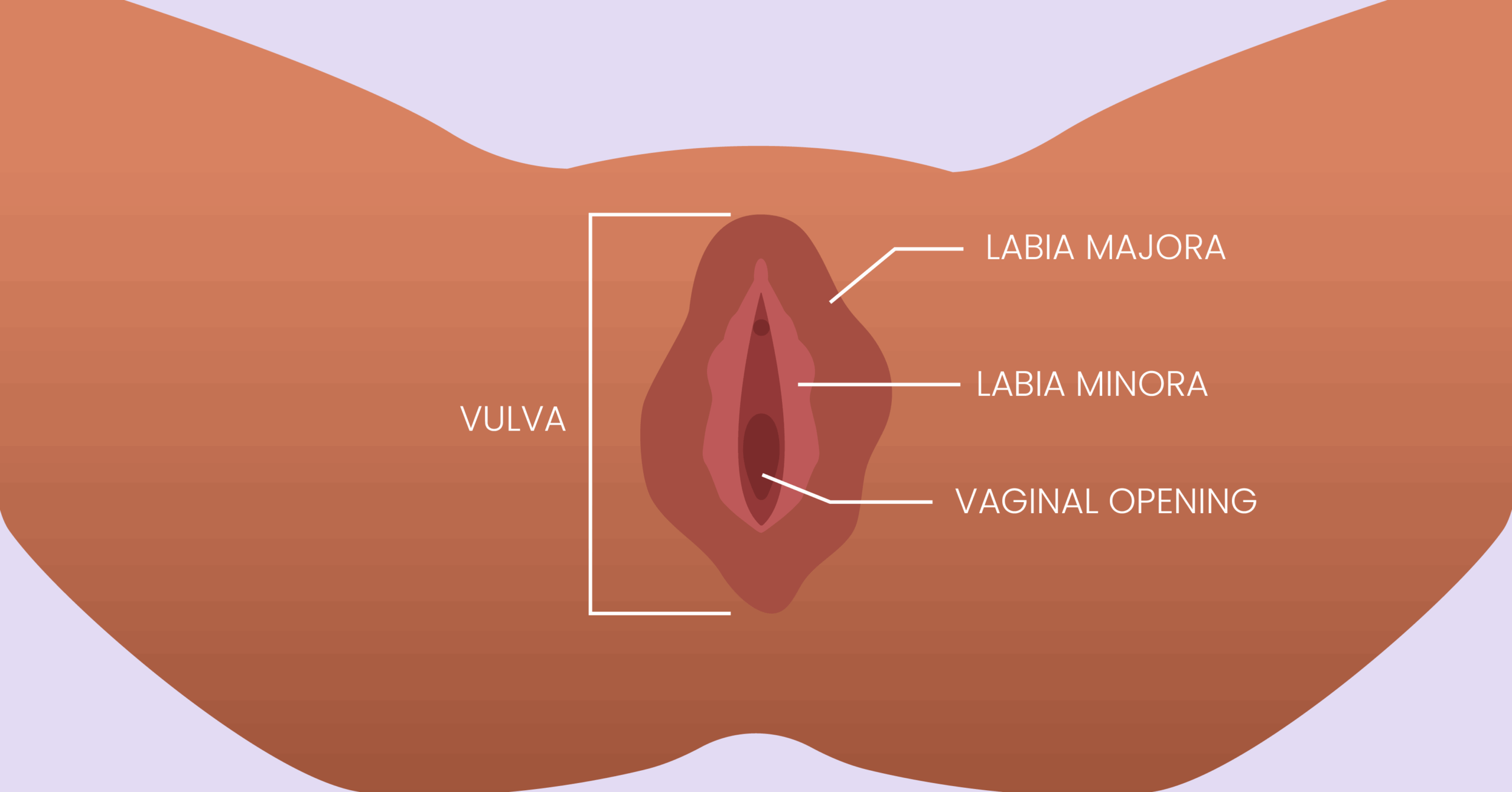
The labia are the external, fleshy skin folds located in the vulva area that protect the internal organs, such as the vagina and urethra. They also contribute to protecting the baby’s head and body during childbirth, ensuring a safe exit.
There are two sections of the labia you can identify. There’s the labia minora, which are the inner lips and are the closest to the vagina. They start from the clitoris to the vaginal opening. Then there’s the labia majora, which are the outer lips by the vulva covered in pubic hair. The latter serves as extra protection for the entire vulva area.
So the labia is different from the vulva and the vagina?
Yes! The common misconception of identifying labia, vulva, and vagina as the same thing stops here.
Again, the labia are the folds of skin found between your legs. They’re responsible for protecting your internal body parts. They are a part of the vulva, which consists of the external parts of the female reproductive system, such as the mons pubis and clitoris.
Types of Labia
The labia can appear differently for each person.
Although limited research has gathered information on some types of them, as featured below, that doesn’t mean they’re the only ones. You may find yourself identifying with one, a few types of it, or none at all. But that doesn’t mean your labia is weird; it’s unique to everyone! It also highlights the need for more research and the normalization of discussions like this, so people feel safer opening up. However, if your vulva area is experiencing issues, it’s crucial to get it checked and examined promptly.
Again, please note that the types listed below aren’t the only types available.
Happy reading!
1 Long, dangling outer lips.
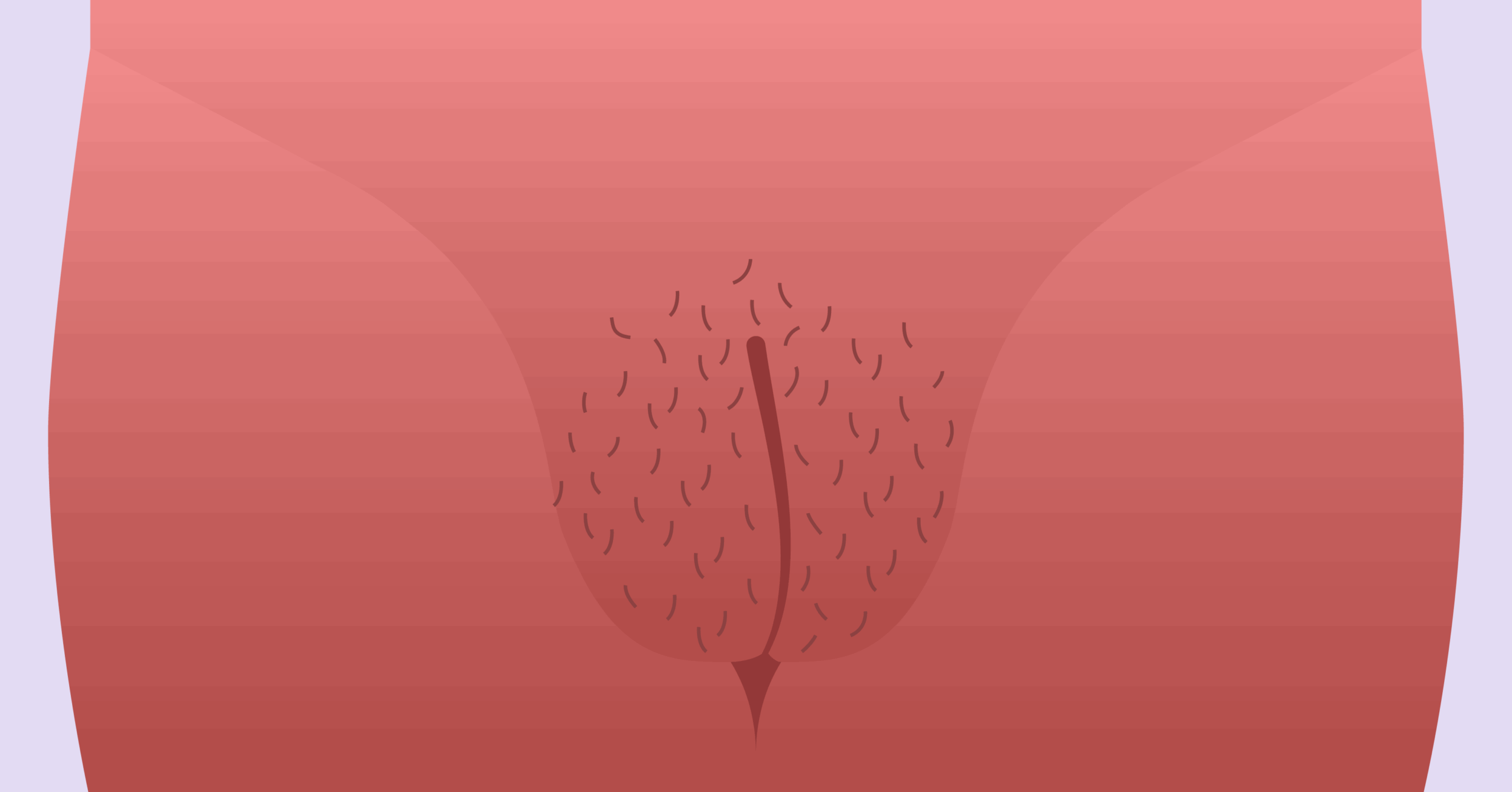
This type of labia is when the labia majora sway lower than the labia minora. In turn, the former may be thinner and looser. In turn, they may be seen in any kind of underwear you wear.
2 Prominent outer lips
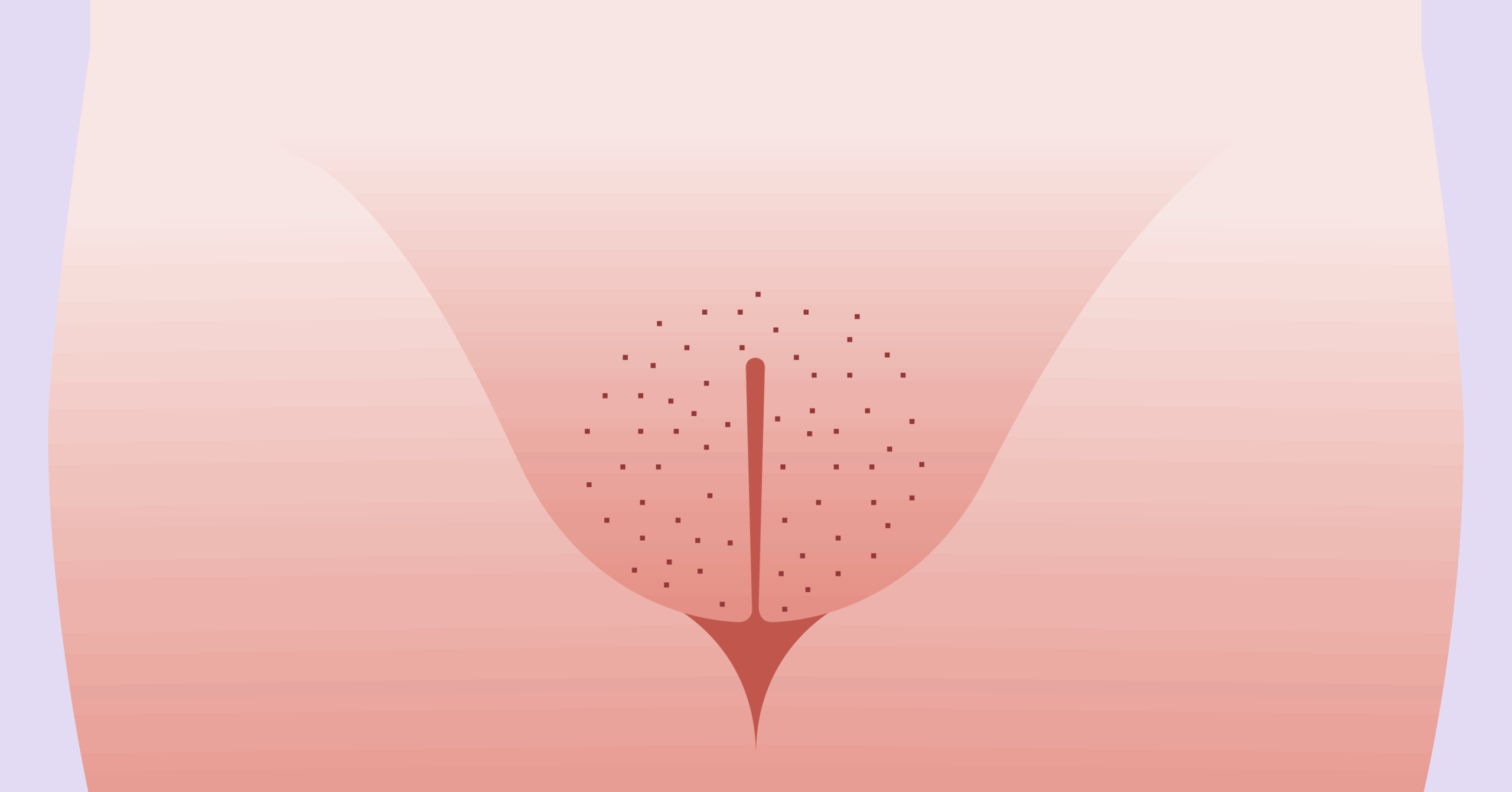
The labia majora is really majoring in appearance here. They can be puffy and big or thin and loose. Their size overpowers the labia minora upon inspection.
3 Curved outer lips
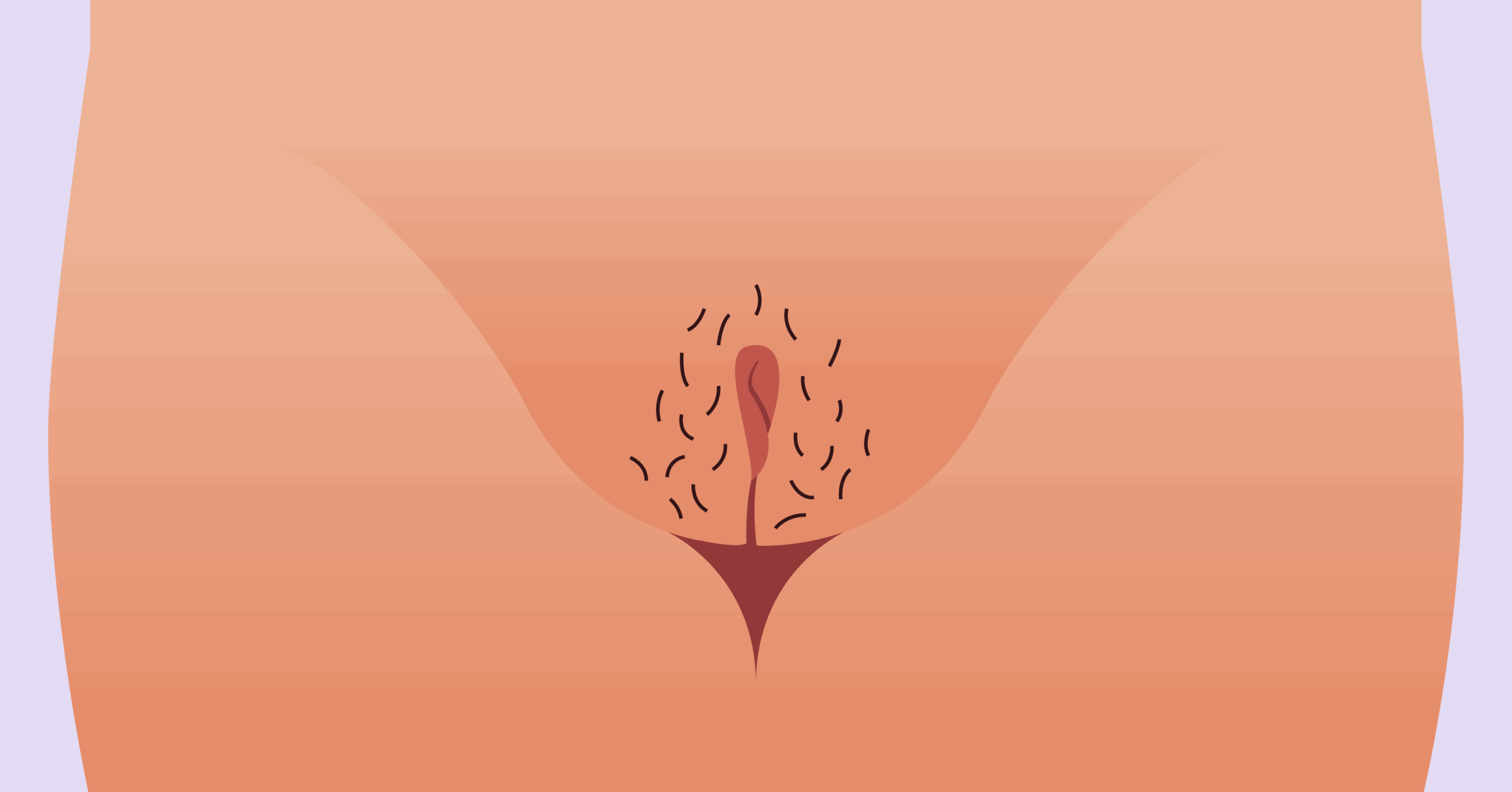
This type of labia is an interesting sight. Both ends of the lips are touching each other, giving them a curved look. Then, in the middle, the labia minora is exposed. It also may or may not go beyond the labia majora. You can compare this labia type to a reverse horseshoe.
4 Small open outer lips
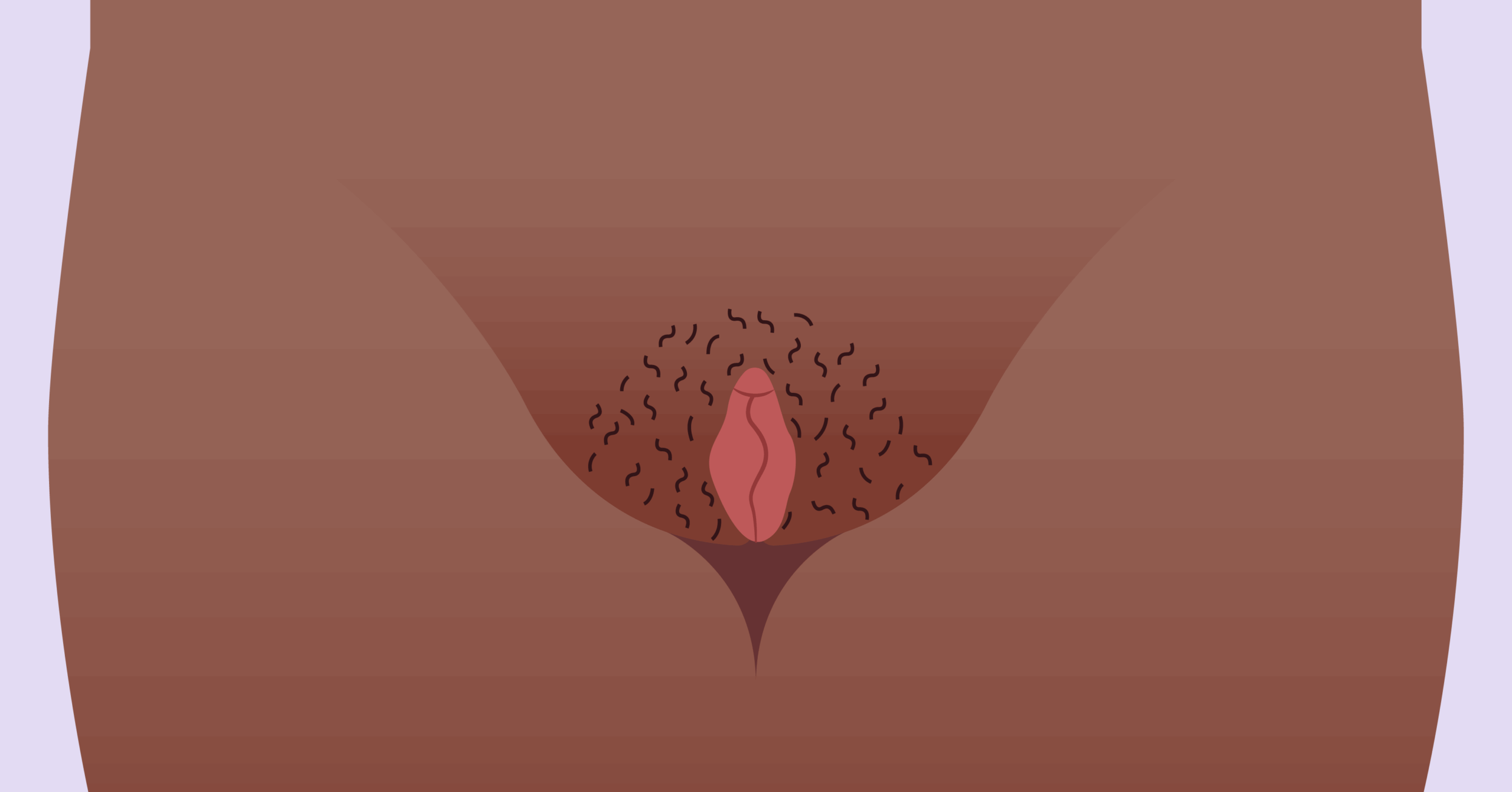
This labia type may indicate that one has a small labia majora. In turn, it looks open and uncovers the labia minora.
5 Small, closed outer lips
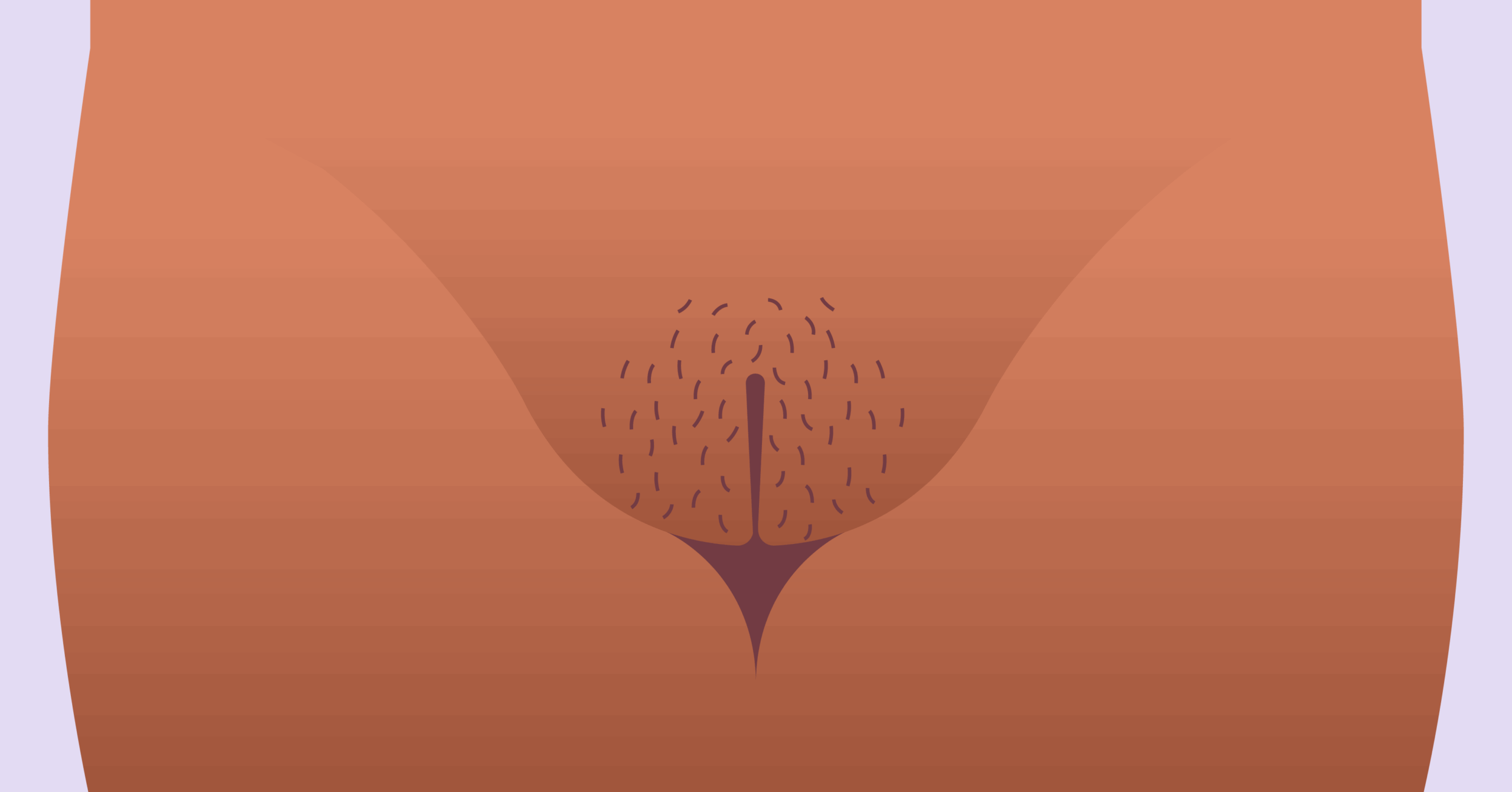
If you watch porn or any adult content, this labia type may look familiar to you. It looks flat and pressed together, almost like both labia are one. You can’t catch a glimpse of your inner lips unless you use your fingers to separate them. Surprisingly (not), this labia type is actually uncommon.
6 Asymmetrical inner lips
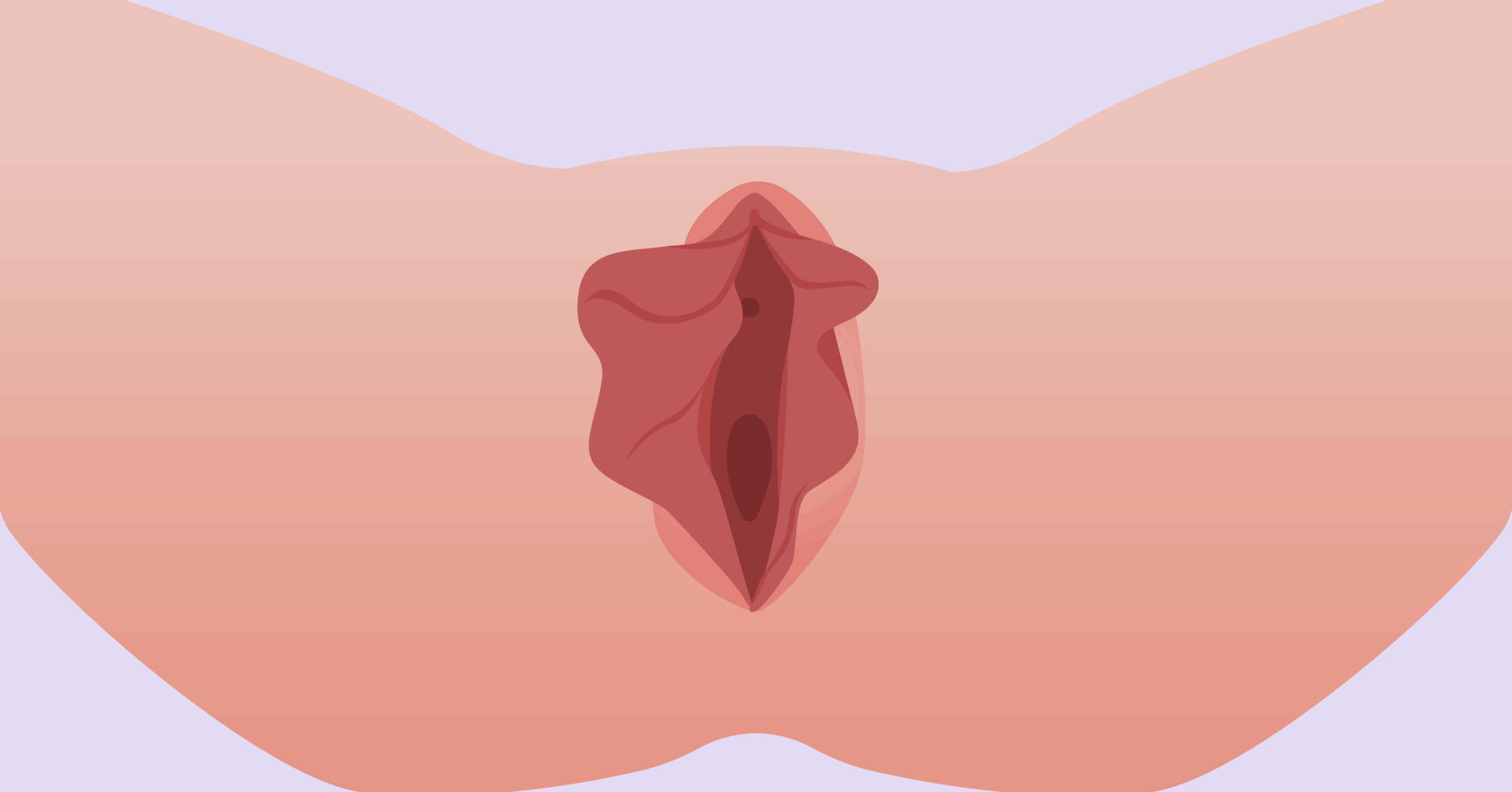
Don’t be afraid if this type resonates with you! It’s when one side of the labia minora is longer, bigger, or looser than the other, even dangling along by the labia majora. Uneven labia are normal and common.
7 Prominent inner lips
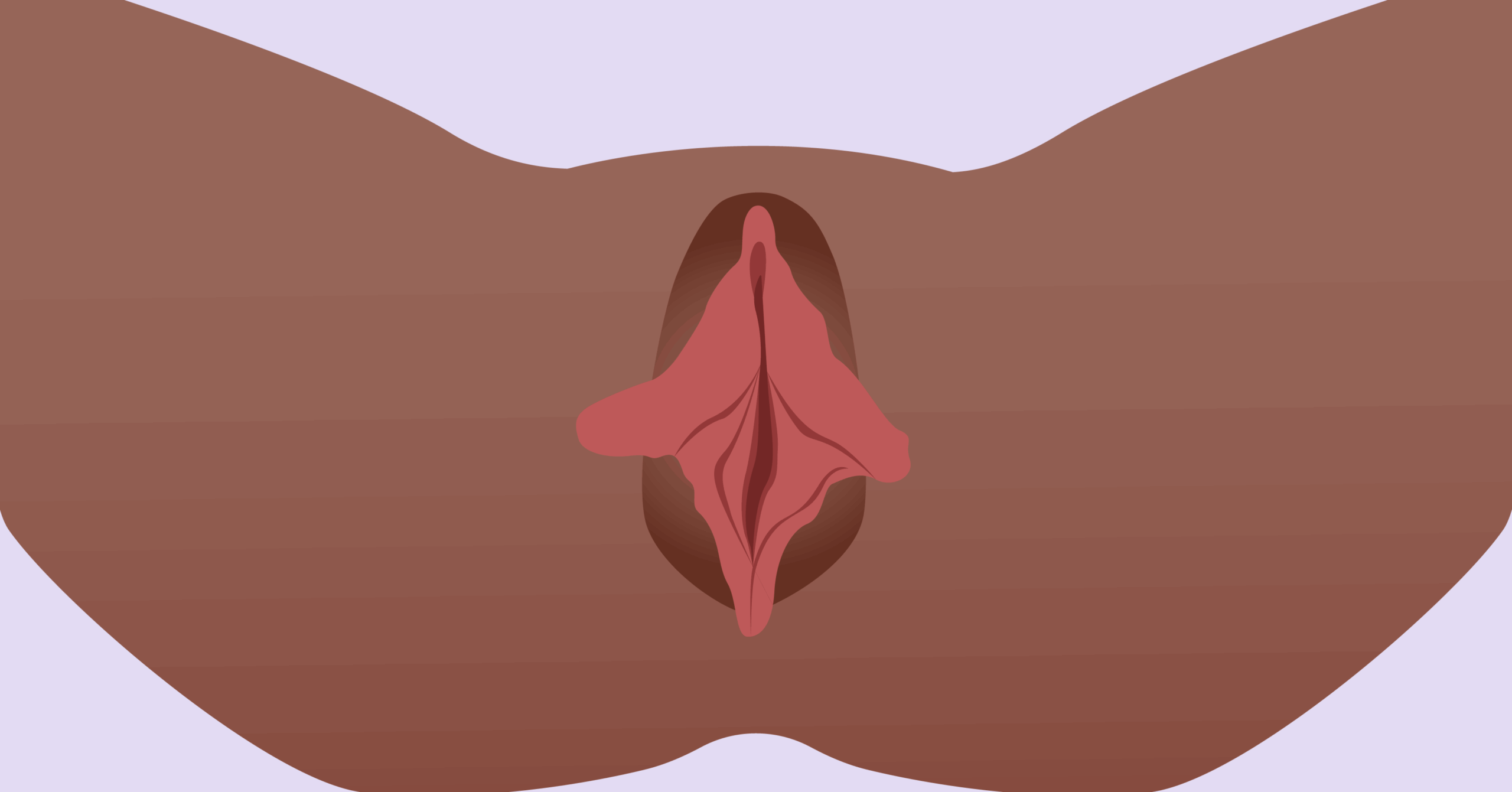
Another common labia type, but it has made some women insecure about having it. This labia type is characterized by the inner lips hanging and measuring longer than the outer lips. It can be subtle or protruding upon sight.
8 Visible inner lips
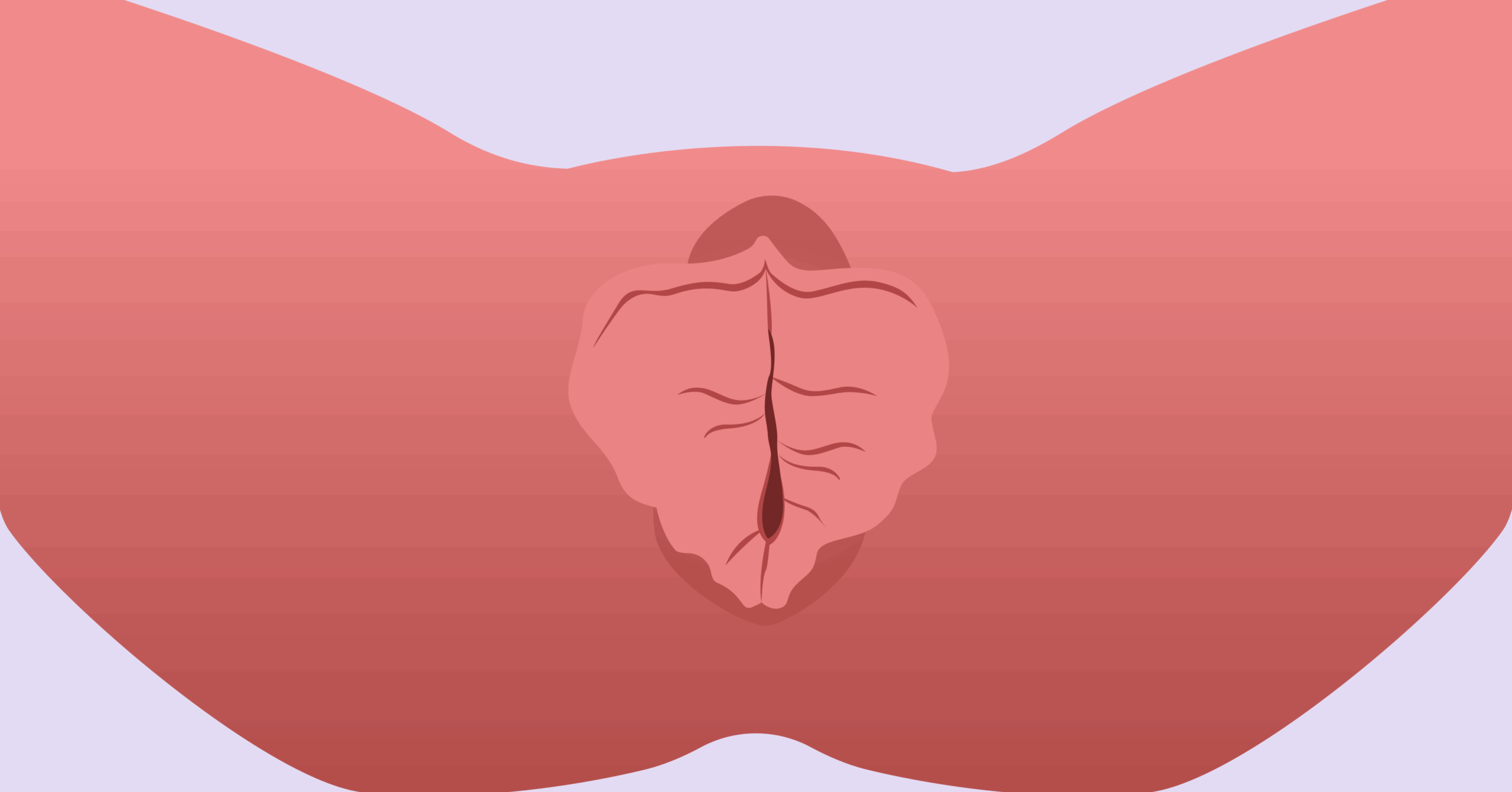
For some medical professionals, this labia type may be described as a flower about to go into full bloom. Moreover, the inner lips here are exposed by the outer lips when they naturally get swept aside or sit down. They’re almost the same size as one another.
9 Long, dangling inner lips.
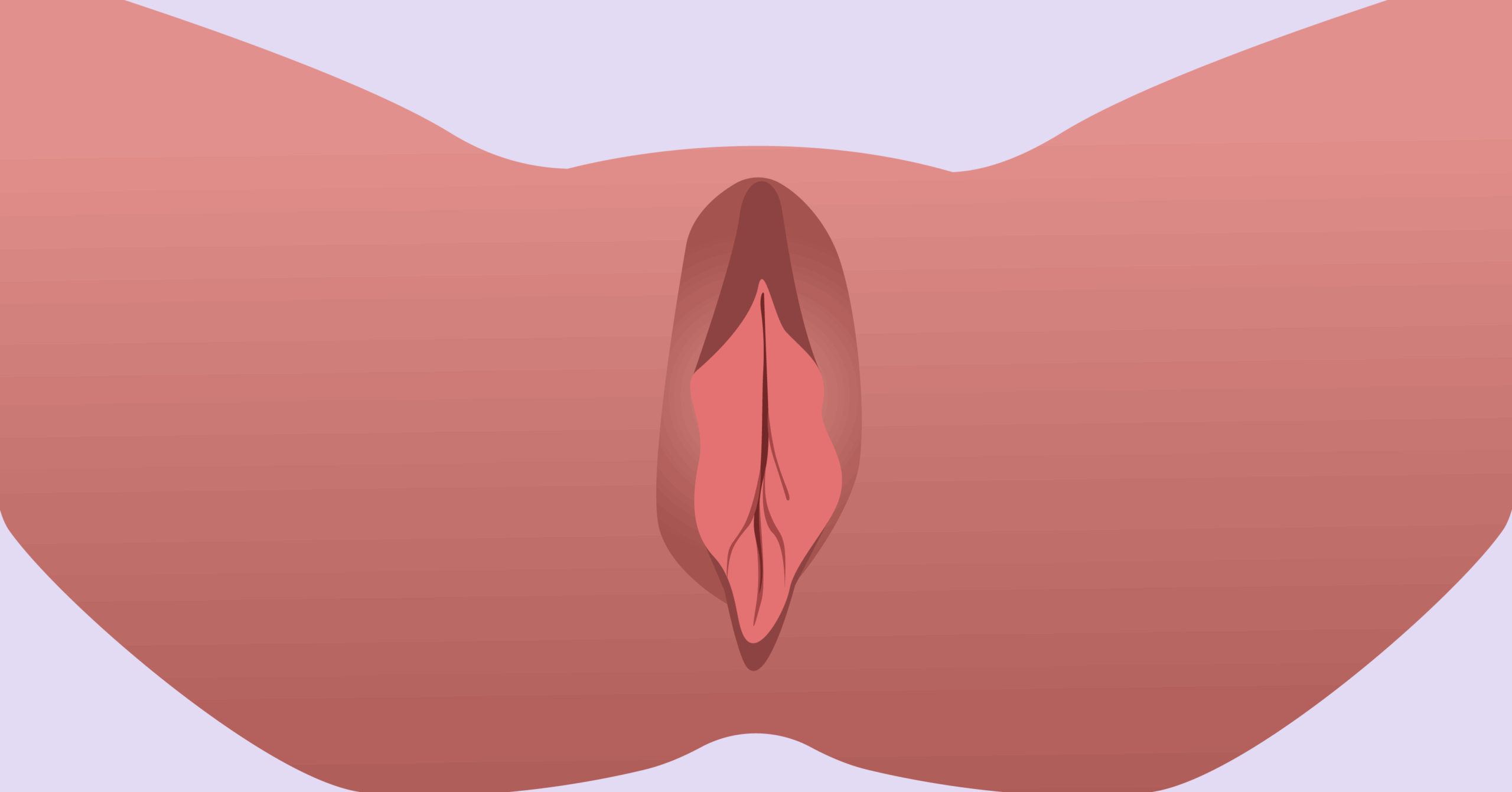
Oh, this one is evident upon view. The labia minora dangle beyond your outer lips by an inch or even more. You can spot them when wearing underwear, as they even hang outside of it.
More Characteristics of the Labia
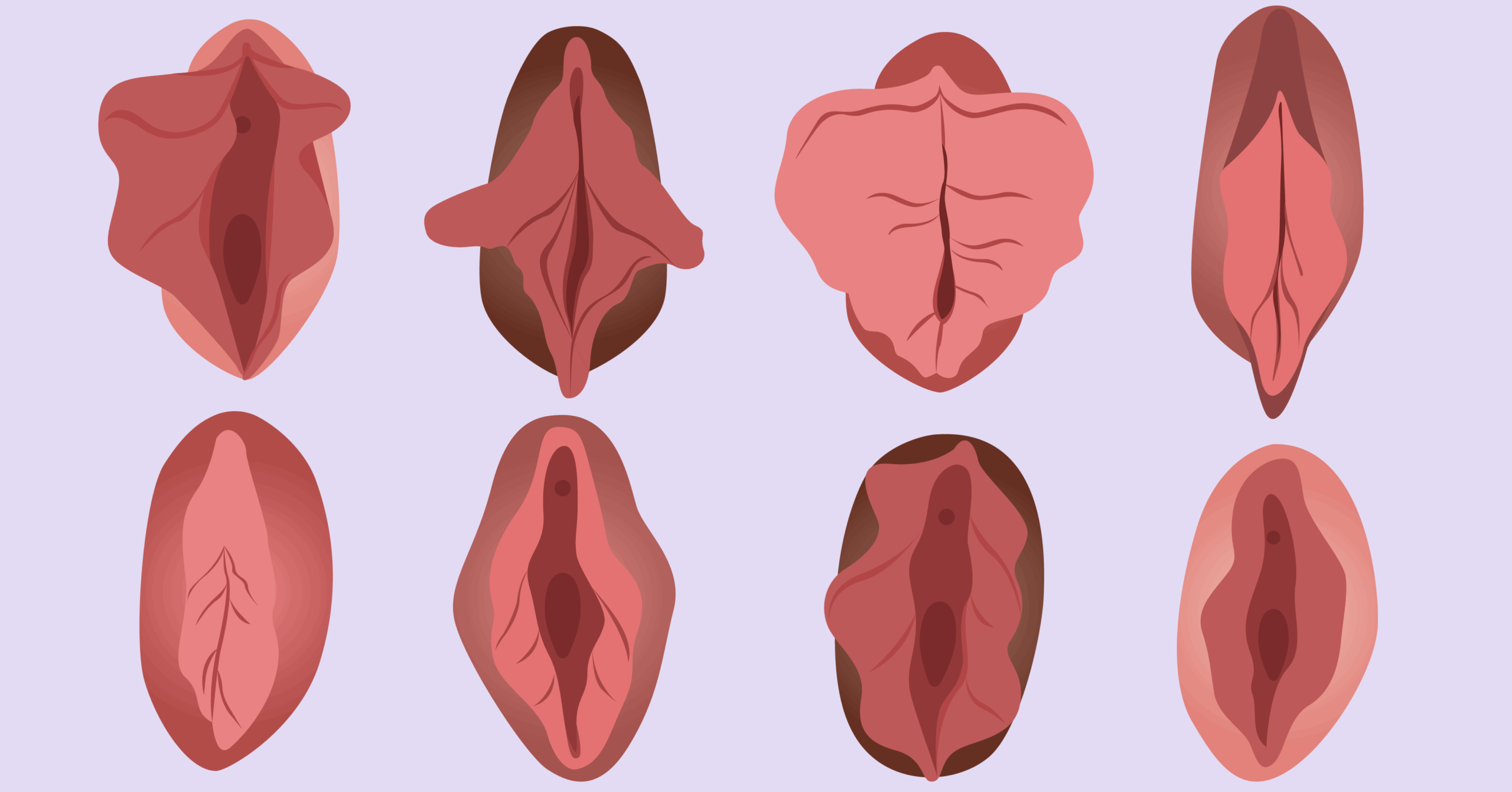
Browse through a few more traits related to the labia that further illustrate their variation from person to person.
1 Size
This 2018 study provided a comprehensive research on external female genitalia measurements. Moreover, the researchers gathered cisgender, white women between the ages of 15 and 84. While this can still be improved, specifically by bringing in more diversity, it still provides an idea of what a healthy vulva looks like.
The results gathered from the research show the following:
- The right labia majora measures 79.71 mm or 3.1 inches.
- The left labia majora measures 79.99 mm or 3.1 inches.
- The right labia minora measures 42.1 mm or 1.6 inches in length and 13.4 mm or 0.5 inches in width.
- The left labia minora measures 42.97 mm or 1.7 inches in length and 14.15 mm or 0.6 inches in width.
2 Color
It’s common for the labia or the vulva area in general to differ in color from the person’s body. Moreover, Natural Cycles notes that it can appear darker due to the presence of melanocytes, which are skin cells that are part of the skin’s basal layer and produce melanin. Melanin is responsible for our skin color.
A color change can only be a point of concern when it’s sudden, accompanied by an unusual smell, and causes irritation.
So is my labia normal?

Whether the types above match yours or not, yes! There’s no specific way for a labia to look, as other key factors, such as genetics and medical history, may influence its appearance. As mentioned in the earlier section, only if you notice any additional symptoms that aren’t usually there would we suggest seeing a professional.
How to Take Care of The Vulva Area
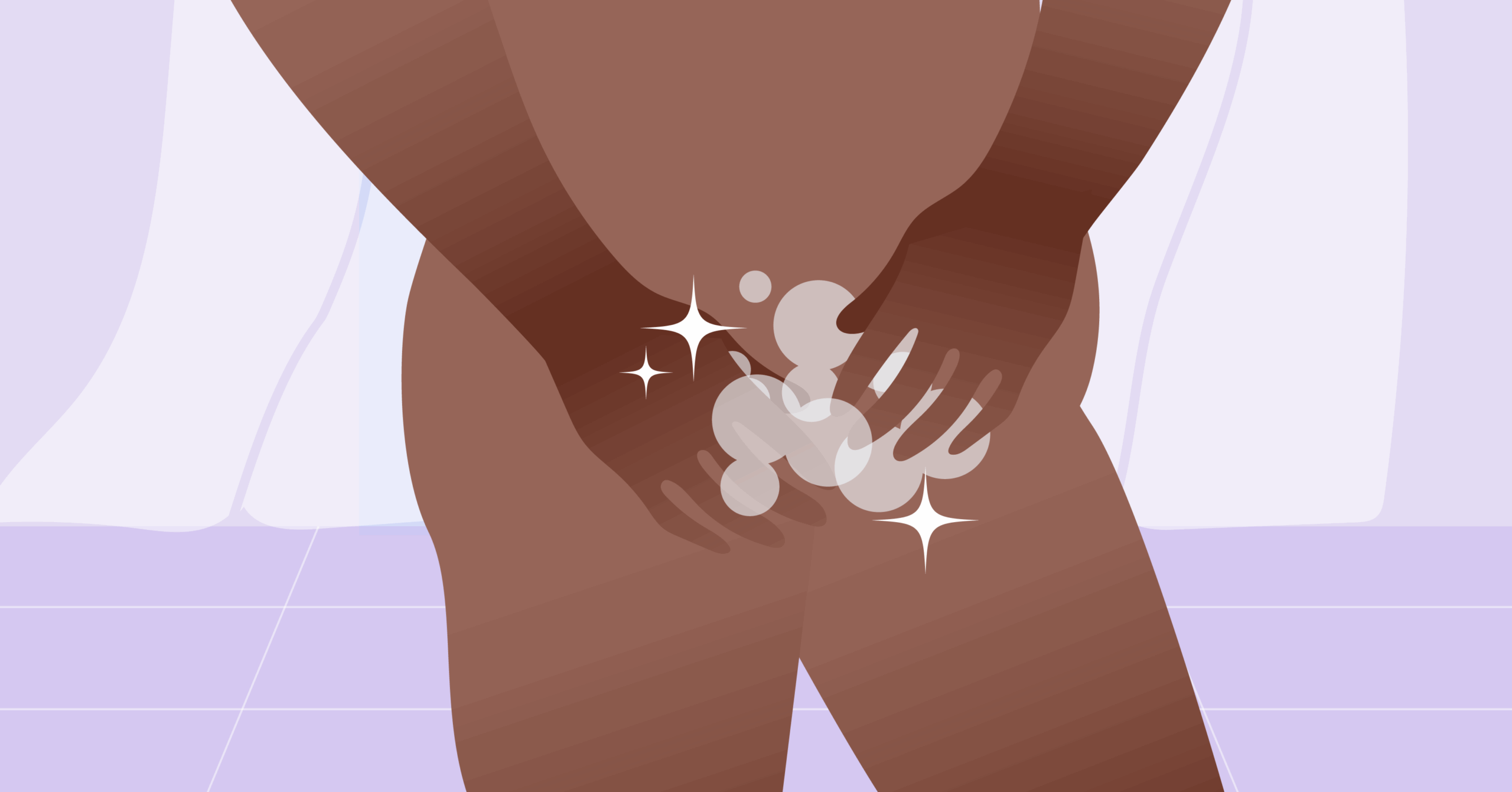
Nurturing your vulva extends to your labia as well. Taking the proper steps increases your immunity and overall health in the long run.
For starters, clean it with gentle soap and warm water. When you’re showering, take a moment to focus on that area. Moreover, we only refer to the outer area as the inner side is self-cleansing! In other words, there’s no feminine wash!
Wearing cotton underwear allows the vulva area to breathe and relax. Yes, it needs air too to function properly. Avoid fabrics that put pressure on your vulva area, as this can cause friction and irritation.
Don’t forget to consult a doctor regularly, at the very least. While you can explore your body, a doctor can provide you with personalized, professional advice to further support your health care. They also conduct necessary examinations to identify any anomalies and potential risk factors, and address them promptly. Regularly, it can be once a month to once every few months.
Importance of Having an Open Mind to Reproductive Discussions
Having an open mind to explore is key to self-exploration. You become more aware of your body and feel less awkward about it. In this case, for vulva owners, it’s important to check out your vulva area. It’s the best way to truly understand what it’s like and how it works. Not even a professional can get to the nitty-gritty that only you can feel.
As a result, talking about your reproductive health wouldn’t feel ostracizing or bad because you’ve garnered all this info about yourself. Finding like-minded people may be a challenge, but at least you know where you stand.
Despite what societal standards entail, that shouldn’t stop you from seeing what you’re born and working with. Sure, it’s an intimate topic, but it can be treaded lightly and carefully. That way, you also become more knowledgeable and make better-informed decisions.


Takeaway
And that’s our take on labia types 101! As you can see, there are a lot of them, as everyone is different, with varying body types, genetics, and so on. While the labia is not a one-size-fits-all body part, maintaining its health is of utmost importance.
Other than that, all kinds of labia types are worth celebrating. It just comes to show how unique every individual is, and adds on to the list, so no one ever feels conscious or insecure about what they have.
For more health-related guides, such as this one, visit the Lauvblog here.