Disclaimer: This pillar article about what is vagina is intended for educational purposes only and is not a substitute for professional medical advice. For any personal health concerns, consult a qualified healthcare provider.
The vagina is a natural part of female anatomy. Understanding it empowers sexual health, hygiene, and self-awareness, and knowledge reduces stigma and myths. Without using any euphemisms to mask it, addressing as is it normalizes it and its different layers among those around us instead of flinching or shushing the person out of worry that someone may hear.
In turn, we push for that very movement into making sexual health and education more accessible, inclusive, and comforting to learn. So let’s get to the bottom on the must-knows of the vagina.
What You’ll Learn
- Defining the vagina
- Vagina and Vulva: Differences
- The anatomy and physiology of the vagina
- Different traits of a vagina
- Roles of a vagina
- Factors That Affect Vaginal State
- Common myths and misconceptions
- Vaginal Conditions
- Tips for vaginal health and wellness
- Resources for further learning
Definition
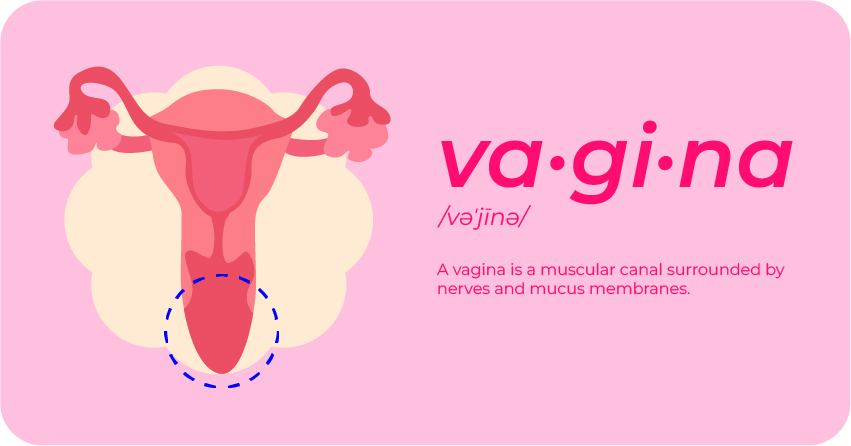
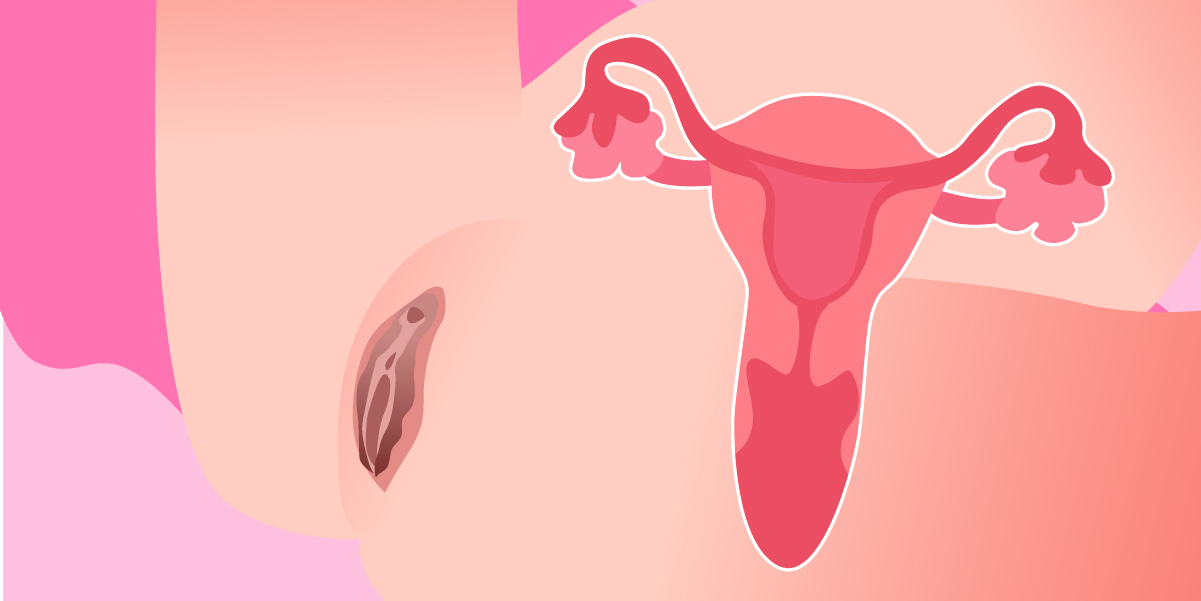
A vagina is a muscular canal surrounded by nerves and mucus membranes. Moreover, it’s an organ of the female reproductive system that serves as a bridge to the outside world for the uterus and cervix. A lot of people refer to the vagina as the main reference to all things related to the female reproductive system (the vulva, more specifically), which may cause misunderstandings. Mind you, the vagina is just one organ out of many others with its own unique functions and purpose. It’s vital to take good care of it, as it helps strengthen one’s reproductive system and keep it healthy.
Vagina Vs. Vulva: What’s the Difference?
Ah, a common dilemma.
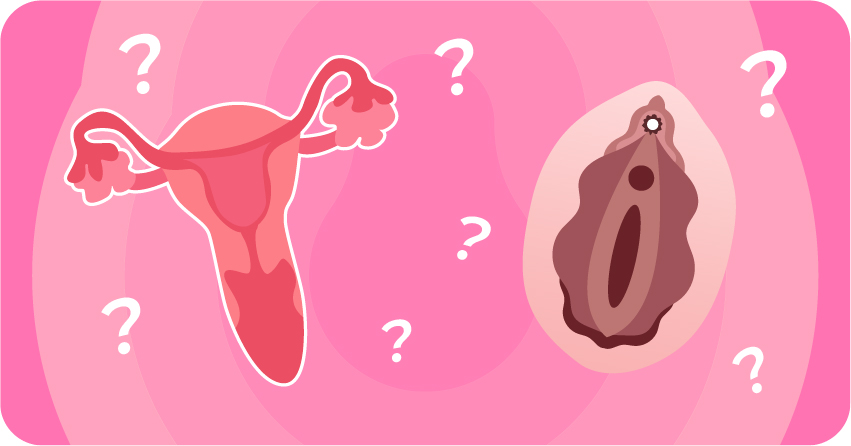
But not to worry, the answer is pretty simple. The vulva refers to the entire external part of female genitalia, which includes the clitoris, labia, urethra, and the vaginal opening. All of which have their own functions and roles in one’s body. In other words, the vagina is internal, although its opening is external. In turn, it doesn’t equate to all of the outer aspects of the female reproductive system. It’s the vulva.
Anatomy of a Vagina
Let’s dive deeper into what makes up a vagina.
Vaginal Opening
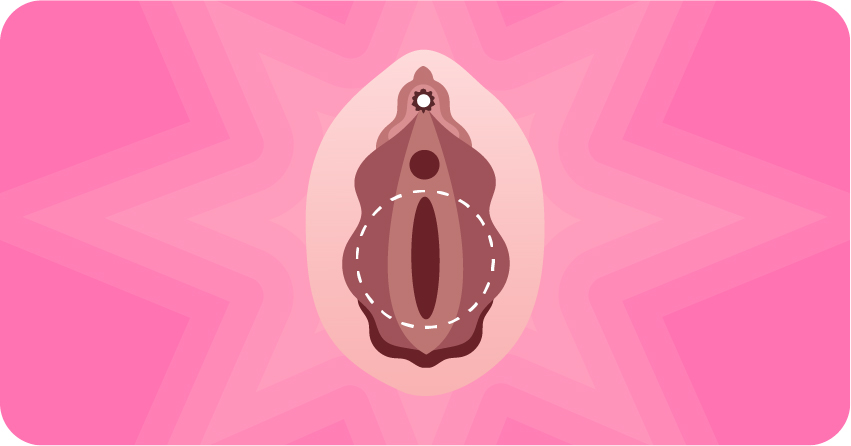
As the name implies, the vaginal opening is the slit or hole in between the urethra and anus. It’s surrounded by folds of skin (labia minora and majora) to protect it from its external surroundings. This opening is also where the baby exits during childbirth and where blood flows out during menstruation.
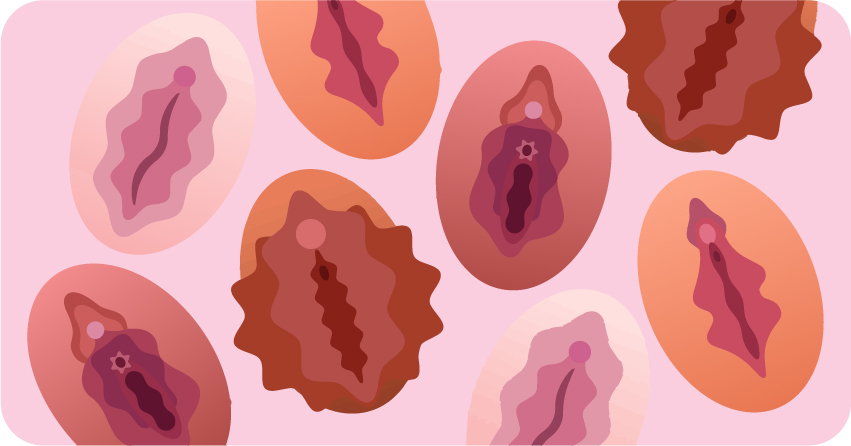
The vaginal opening can come in different appearances. Each one is different and unique to the vulva owner. We’ll get more into this later on in the guide.
Vaginal Wall
The vaginal wall consists of the following layers:
Mucosal: This is the innermost layer or inner lining of the vaginal wall. It’s made of stratified squamous, non-keratinizing epithelium aka. multiple layers of flat cells. wherein they aid in keeping the tissue there moist and flexible. It also has these unique ridges/pleats called rigae on the surface that encourage further elasticity. Moreover, this layer does not have glands in contrast to the other linings (e.g., digestive tract), so moisture and lubrication “come from transudation across the mucosa and by cervical secretions” (Kushner, n.d.).
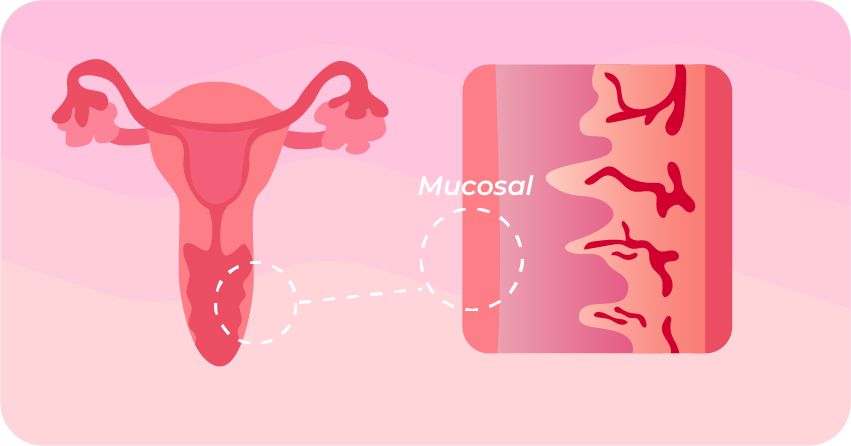
Transudation refers to the process of fluid seeping across the mucosa. This layer is abundant in glycogen, which supports healthy vaginal flora. It also produces a productive barrier from infections by maintaining an acidic pH. Then beneath the epithelium is a connective tissue known as a lamina propria, which is rich in collagen and elastic fibers.
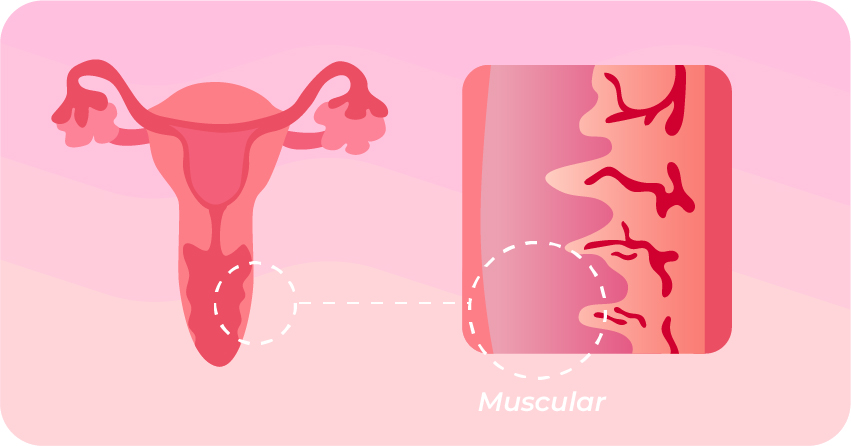
Muscular: Also known as the muscularis, this layer consists of “inner circular and an outer longitudinal layer of smooth muscle” (Tallitsch, n.d.). The latter is usually thicker. Alongside this, this layer is highly elastic, leaving room for expansion and contraction during sex and childbirth (Sterling, 2025). Due to this structure, the vaginal canal is flexible and distensible to change shape and diameter.
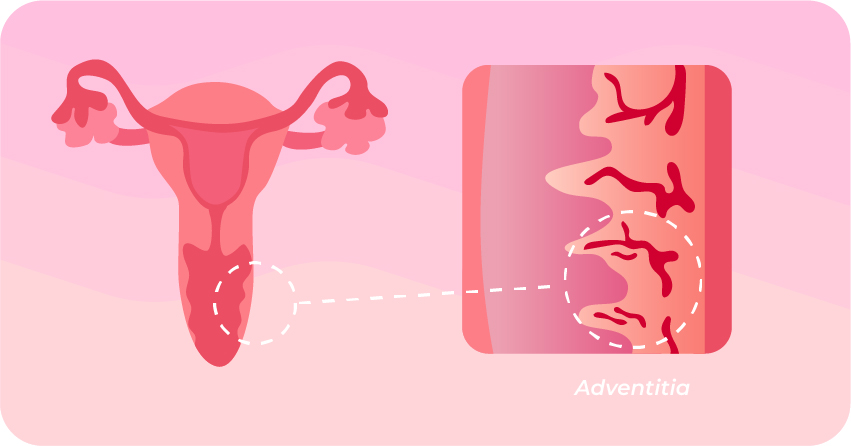
Adventitia: This outermost later contains blood vessels, lymphatics, and nerves that helps supply vaginal tissue and connects it around nearby organs like the pelvis, bladder, and rectum. It provides structural support for when the vagina stretches.
Hymen
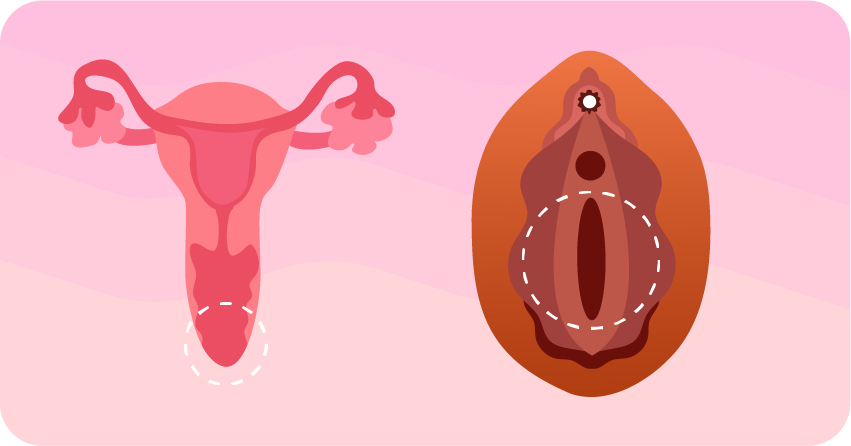
The hymen is the “thin piece of tissue covering or surrounding part of your vaginal opening” (Felton & Schmidt, N/A). It’s formed during your fetal development and becomes present once you’re born. It can come in different shapes and forms, commonly a half-crescent shape to most, which can affect menstruation and sexual activity. Speaking of the latter, this specific body part became an indicator of one’s sexual experience. If it tears, you’re a virgin. If it doesn’t, you aren’t. This can be harmful for those who never did the deed yet their hymen didn’t break. Mind you, there are other ways for a hymen to break or tear, like vigorous exercise of using a tampon. Let’s get that out of the way.
Different Traits of a Vagina
Every vagina is different and unique on their own. There’s no “normal” look or feel. But do explore the common traits and natural variations that you may resonate with or just go “oh wow, that’s a thing”.
Vaginal opening appearance
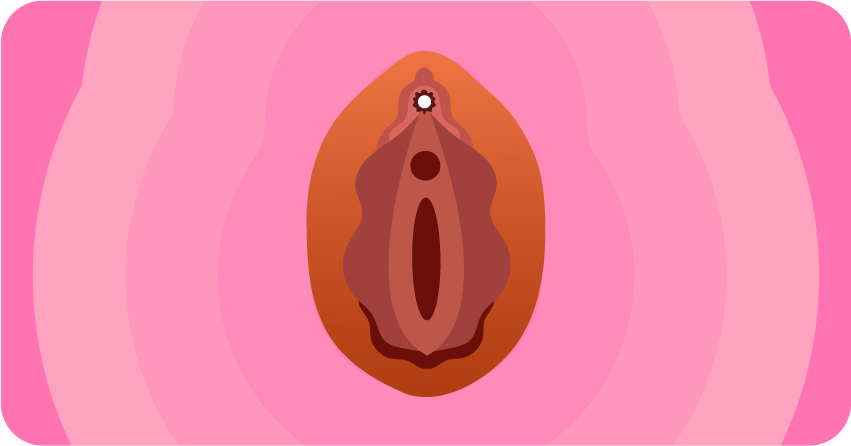
The vaginal opening, or introitus, can vary in appearance, size, and shape per vulva owner. Usually nestled between the labia, some vaginal openings can have more bulging folds, while others are more hidden. As long as they don’t bring pain or discomfort, your vaginal opening is normal. And besides, it can have several looks. Take a look at this site for more reference, which shows and proves how diverse the range actually is.
Length and width
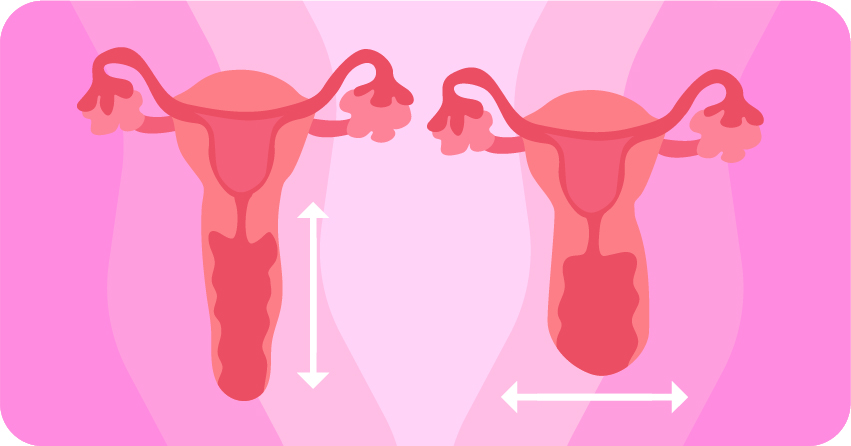
The vaginal canal can expand and contract depending on factors like arousal or childbirth. Research from 2010 found that the total vaginal length (TVL) is around 2-6 in (5-13 cm), with an average of 3.6 in (9.6 cm) (Nall, 2020). Width-wise, it’s able to accommodate things like a tampon, fingers, or a penis due to the vagina’s elastic and flexible nature. Whatever size yours is, it doesn’t determine sexual pleasure or reproductive health.
Color
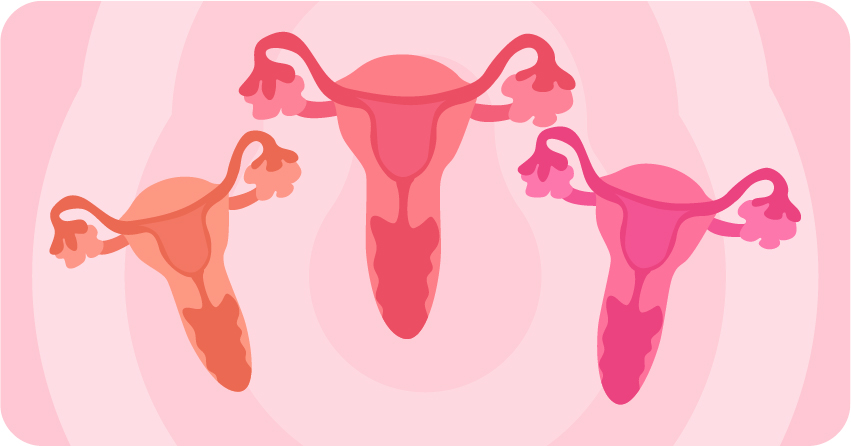
The color of vaginal tissue may vary from person to person, given their hormonal or arousal status. Due to a rich blood supply, people report having a pink to reddish to purplish. As for vulva skin, it may be darker or lighter than the surrounding skin.
Discharge and odor

Releasing vaginal discharge is part of the natural process that keeps a vagina healthy and clean. During your menstrual cycle, its shade ranges from clear to white or slightly yellow. Consistency-wise, it varies. But most report healthy discharge to be thin. Then during ovulation, it’s clearer, and there’s more discharged released (Kliman, 2024).
Hymen shape
As mentioned earlier, the hymen is a small, thin tissue that’s located just inside the vaginal opening. Aside from the crescent shape, it can also take other shapes, such as annular (ring-shaped), fimbriated (ruffled edge), and septate (one or more bands of tissue) (VisualDx, 2023).
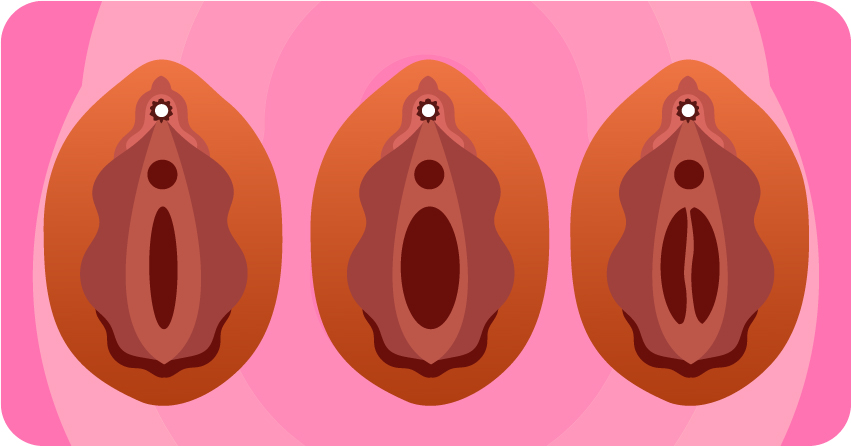
Most hymens have at least one opening for menstruation. But for some rare variations, like the imperforate hymen, it seals the vaginal opening, which blocks menstrual flow. That must be solved through minor surgery, along with other types such as microperforate and septate (Longhurst, N/D).
Functions of a Vagina
A vagina can either serve as an entrance or exit to various functions. Let’s discuss that more in this section down below.
Sexual Needs
Penetrative sex can occur with a vagina, whether with a penis or phallic sex toy like a dildo. The vagina works as “an entrance during sexual intercourse to receive sperm to potentially fertilize an egg” (Curran, 2023). But the latter is if your purpose of sex is for procreation. Other than that, sex can be for fun, stress relief, and many others.

Back to the main topic at hand, the vagina is filled with nerve endings that provides physical and sensory responses. When aroused, there’s more blood flow going into the vagina that makes it expand and self-lubricate, aiding in preventing friction or irritation when something gets inserted. Plus, penetration can also those deep vaginal spots, like the G-spot and A-spot that can elicit more pleasure.
Menstruation
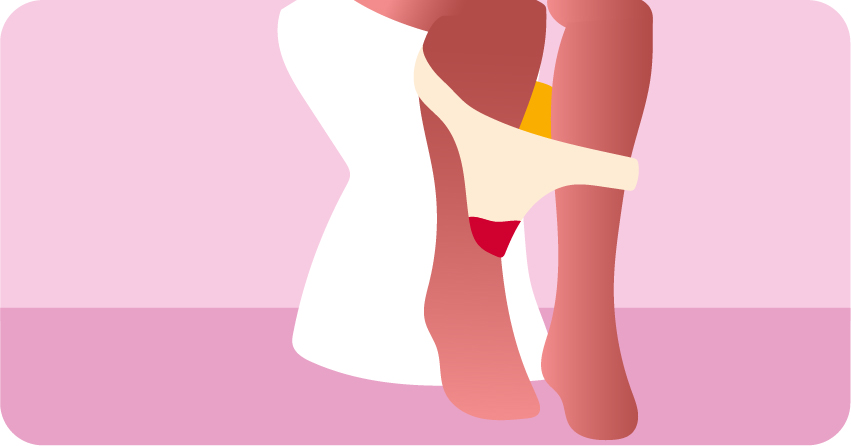
When a vulva owner reaches puberty, they experience menstruation. Also known as your period, menstrual cycle, or “that time of the month”, it occurs when the lining of your uterus (endometrium) sheds and turns into blood (Villines, N/A). It flows out of your vagina, making it an exit. Thus, using menstrual products like pads and tampons makes things more manageable and comfortable.
Conception
The vagina is the first organ involved in this process. During penis-and-vagina penetration, sperm is ejaculated inside the vagina and swim their way to the cervix and uterus through it. When it meets with an egg cell, fertilization occurs. Given the elastic and mucosal environment of the vagina, it supports the sperm in navigating a route for travel to the vital organs for conception.
Childbirth/Delivery
Vaginal birth is an option when delivering a baby, also known as normal delivery to some. Another name for the vagina is the birth canal since a baby can pass through there. When a woman is in labor, their cervix and vagina work together to expand and make room for them. It’s especially essential for the doctor in charge to check the dilation of the cervix to ensure a safe passage for the baby.

Other than this, the vagina returns to its pre-pregnancy size postpartum, although some women may notice more elasticity changes and do pelvic floor exercises.
Immune defense and micro‑environment balance
The vagina entertains good bacteria (especially Lactobacillus species) that help maintain an acidic pH, preventing harmful bacteria and yeasts from growing and becoming infections. This microbiome and pH balance is vital for a healthy and strong reproductive system.
Factors That Affect Vaginal State

The vagina is a dynamic organ, and its appearance, texture, and overall health can change due to a variety of biological, hormonal, and lifestyle factors. Understanding these factors helps individuals maintain sexual wellness, hygiene, and comfort. Those factors are:
- Hormonal Changes: Fluctuations in the menstrual cycle (estrogen and progesterone levels), pregnancy and childbirth hormone shifts, menopause and perimenopause (lower estrogen leads to thinning and dryness), and usage of hormonal contraceptives
- Age: Natural aging results to thinner, less elastic, and lubricated vaginal walls
- Sexual Activity: Frequency may affect elasticity and health (if unprotected), alongside impacting pelvic floor muscle tone that’s responsible for tightness and support.
- Pregnancy and childbirth: Vaginal tissue stretches and changes in the pelvic floor, so doing pelvic floor exercises is advisable.
- Infections and Medical Conditions: From sexually transmitted, natural causes, to chronic conditions, they can alter discharge, pH, and vaginal strength.
- Negative Hygiene Practices and Products: Overwashing, scented products, or douching can disrupt your pH balance and microbiome.
- Medications: Antibiotics, antihistamines, and certain hormonal medications can affect lubrication and flora, alongside changes in odor.
- Lifestyle Factors: Your diet, hygiene, and frequency of exercise impacts tissue health, alongside the prevalence of vices like smoking and drinking.
- Stress and Mental Health: Chronic stress can lessen arousal and natural lubrication, and your emotional well-being can strongly influence your sexual wellness.
Myths of a Vagina
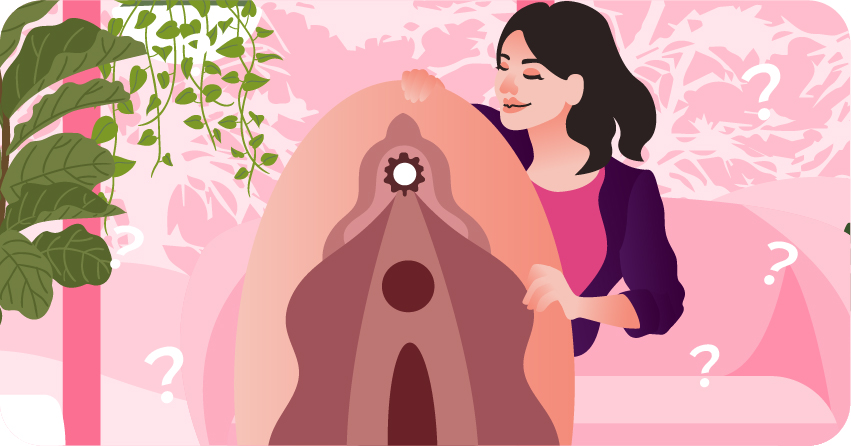
Misinformation about a vagina can instill more shame and guilt when learning about it, fuel body shame and anxiety, prevent people from seeking proper medical care, and encourage unsafe practices. Let’s debunk some common myths through this section here.
Myth #1: Vaginas must be washed with special soaps or douches.
Fact: External cleaning of the vulva area is okay, as long as you use mild, fragrance-free soap and warm water (Villines, N/A). But going inside your vaginal canal and cleaning it? There’s no need for that when the vagina is a self-cleaning organ. Its natural discharge and presence of healthy bacteria keeps the balance and flushes out old bacteria. Thus, using harsh soaps, douches, and scented products can disrupt its natural pH and bacterial balance. In turn, it makes you susceptible to infections.
Myth #2: Vaginal odor is always a problem.
Fact: A vagina has its own distinct smell that varies with hormonal changes, menstrual cycle, diet, and activity. However, a strong/foul odor accompanied by itching, irritation, burning, unusual discharge or any sort of vaginal pain must be checked by a doctor.
Myth #3: Any vaginal discharge is abnormal.
Fact: Vaginal discharge is normal. It’s a result of the vagina’s self-cleaning mechanism. It’s usually clear and sticky, though it varies during one’s menstrual cycle. Only sudden, unexpected changes in color, smell, or consistency with symptoms should prompt medical advice.
Myth #4: A “tight” vagina is more desirable and/or healthy.
Fact: Vaginal tightness is not a determining factor of someone’s worth, health, or sexual performance. A vagina is flexible and elastic, designed to expand and contract especially during arousal and childbirth. Experiencing changes over time is normal.
Myth #5: Frequent sex can “loosen” up a vagina.
Fact: Again, the vaginal walls are elastic. They can stretch depending on the situation and return to its original state. In terms of sex, no matter how often you do it or even how big the penis or sex toy is or, it won’t affect a vagina’s tightness. Permanent changes in vaginal elasticity are commonly associated with age and childbirth, not sexual frequency.
Myth #6: The vagina must be scent-free.
Fact: A vagina has a mild smell that is unique to its owner because of the “healthy ecosystem of bacterial flora” (Vagina Myths, N/A). There’s no such thing as a floral or perfume-like smell for a vagina. These ideas instill anxiety in the owner.
Myth #7: Vaginal infections are unavoidable.
Fact: While changes in your vagina can lead to infections (which we’ll mention in the next section), they’re preventable. It’s key to practice proper vaginal care (further emphasis later on) and to avoid using any disruptive products down to lessen your risks of getting them.
List of Vaginal Conditions
This section is a comprehensive list of common vaginal conditions and how they come about. That way, you can already take the necessary precautions to avoid them.
Bacterial Vaginosis
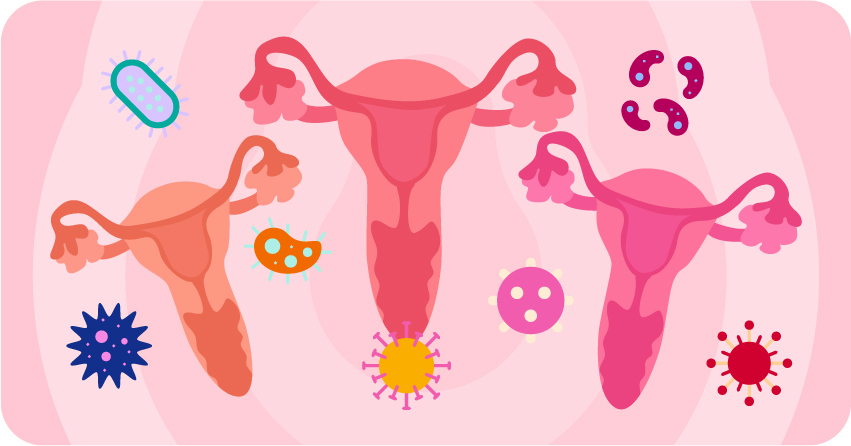
Description: Bacterial Vaginosis is an imbalance of natural, healthy bacteria with the bad ones. It’s common among women of reproductive and are also sexually active (Mayo Clinic, 2023).
Symptoms: Thin, vaginal discharge in shades of gray, white, or green, “fishy” odor, irritation
Treatment: Antibiotics
Yeast Infection (Candidiasis)
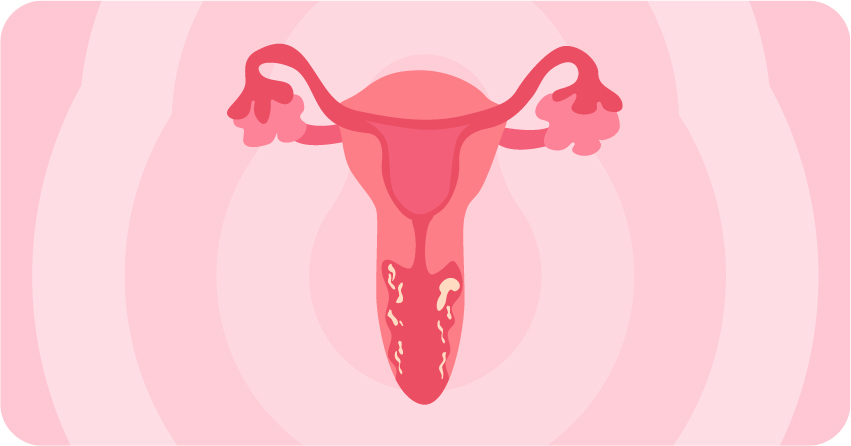
Description: Yeast infection, or Candidiasis, is when there’s an overgrowth of Candida yeast in your vagina. This overgrowth can happen during humid conditions, having a weak immune system, and even taking antibiotics (John Hopkins Medicine, 2025).
Symptoms: White or yellow discharge that’s thick like cottage cheese, redness, burning sensation, itching
Treatment: Anti-yeast creams or oral medicine
Trichomoniasis
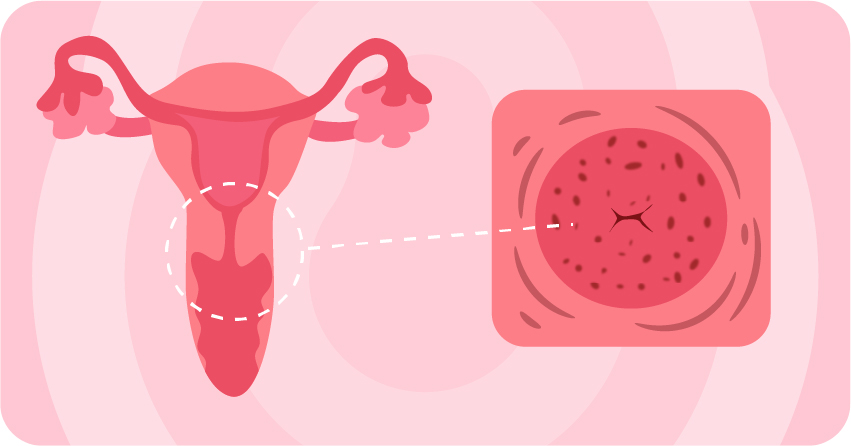
Description: Trichomoniasis is a nonviral sexually transmitted infection caused by the parasite Trichomonas vaginalis, which is spread through semen or vaginal fluids (Cleveland Clinic, 2017).
Symptoms: Most of those who get this STI don’t get any symptoms. But some signs of this may include thin, sometimes foamy white, yellow or greenish vaginal discharge with an unpleasant smell, irritation, and pain when having sex or peeing.
Treatment: Antibiotics and temporary abstinence from sex
Vaginal Atrophy
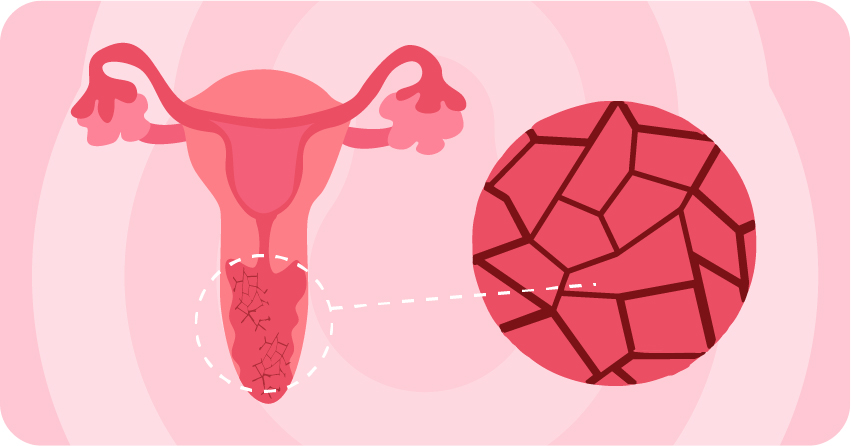
Description: Vaginal Atrophy is the thinning, drying, and inflammation of the vaginal walls that may occur when your body has less estrogen (Mayo Clinic, 2021).
Symptoms: Dryness, itchiness, burning sensations, light bleeding, less lubrication, sexual discomfort
Treatment: Vaginal moisturizer, lubricants, topical estrogen
Pelvic Organ Prolapse
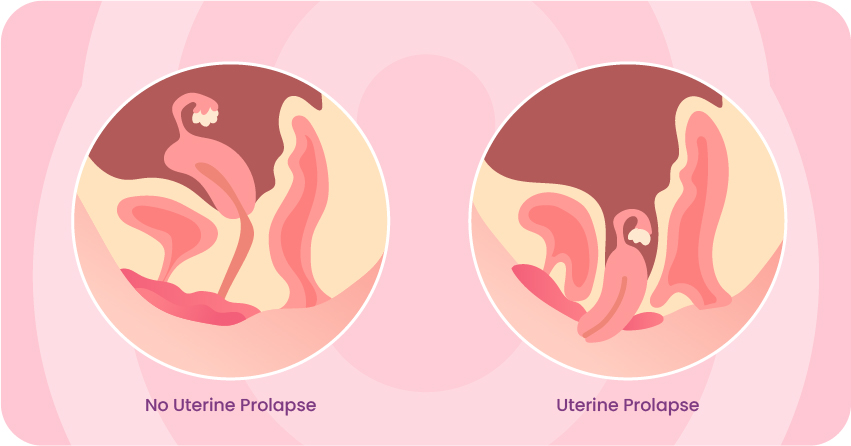
Description: Pelvic Organ Prolapse, abbreviated as POP, is when pelvic organs drop from their usual positions (Cleveland Clinic, 2023). Those pelvic organs consist of the vagina, uterus, bladder, and rectum.
Symptoms: Pressure in your vagina or pelvis, changes in peeing and pooping, sexual discomfort
Treatment: Pelvic floor exercises, pessaries, surgery (depending on the degree of pain and gravity of prolapse)
Vaginal Cysts
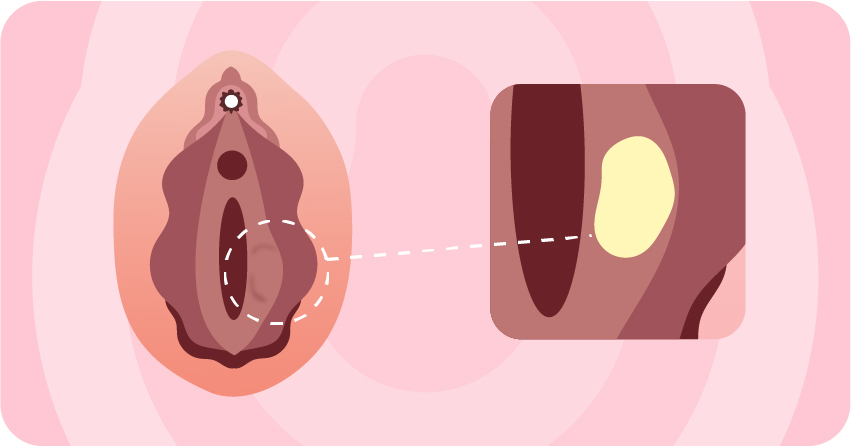
Description: Vaginal Cysts are “closed pockets of air, fluid, or pus on or under the vaginal lining” (Cafasso, 2018). They can range from small to large and are found near the vaginal opening or walls.
Symptoms: Swelling around the vulva or vaginal area, discomfort during walking or sex
Treatment: While smaller cysts can resolve on their own, larger and infected ones may require further consultation and drainage by a professional.
Vaginal Cancer
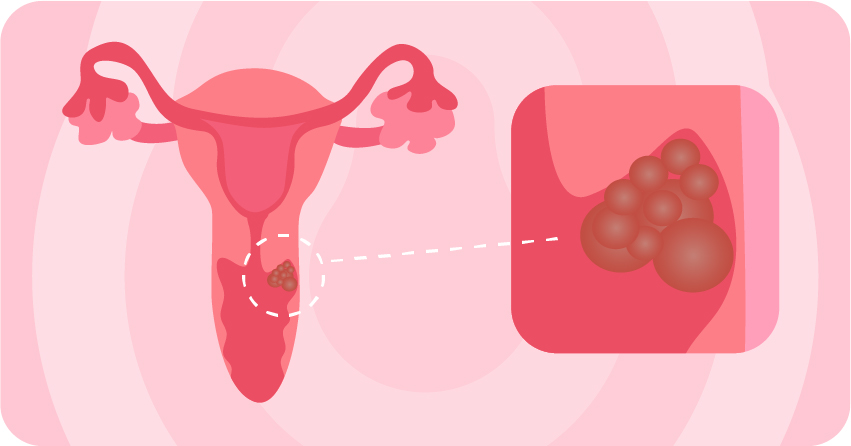
Description: Vaginal Cancer is a rare type of cancer that occurs along the lining of your vagina. You’re more at risk of having it if you’re over 60 or have HPV (Cleveland Clinic, 2023)
Symptoms: Abnormal bleeding, discharge, pain, lump in the vagina
Treatment: Early detection by a professional, potential surgery, radiation, or chemotherapy
Sexually Transmitted Infections
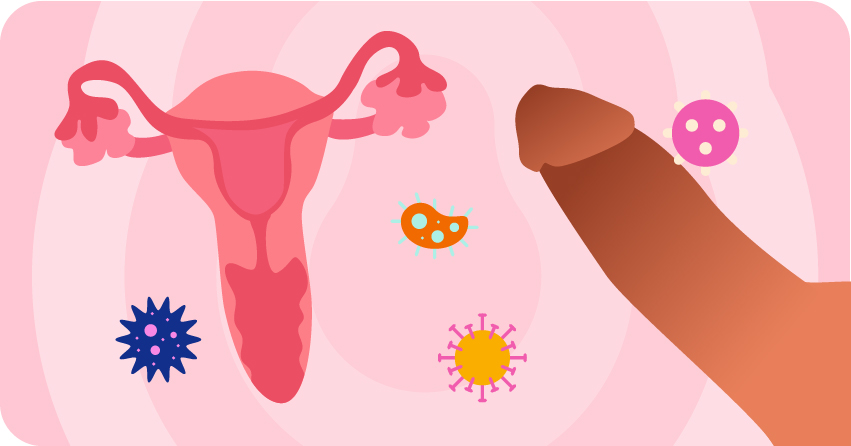
Description: A sexually transmitted infection (STI) is “a virus, bacteria, fungus, or parasite people can get through sexual contact” (CDC, 2024). These infections can affect vaginal health when undiagnosed and untreated.
Examples: Chlamydia, gonorrhea, and herpes simplex virus
Symptoms and treatment: They vary depending on which one someone gets diagnosed with, but regular testing and practicing safe sex methods (e.g., barrier methods) are encouraged to prevent this.
How to Take Better Care of Your Vagina
There are many ways to tend to your vagina. Scan through this section to get a better idea on what to do when you want to promote better vaginal care.
Daily care tips
- Cleaning: No need for female hygiene products like sprays and perfumes and processes like douching and vaginal steaming.
- Toileting: Gently wipe from front to back to avoid dirt and bacteria entering your vagina.
- Menstruation: Only use menstrual products during your period. (The Royal Women’s Hospital, N/D).
Safe sex practices

- Use barrier methods like condoms and dental dams.
- Get tested regularly if you’re sexually active.
- Be honest and aware of your sexual history.
- Clean your sex toys and don’t share them (if you do, use condoms).
- Refrain from sex when you feel any sense of genital irritation.
- Apply adequate lube to prevent irritation or microtears and overall make sex feel smoother and more comfortable.
- Pee after sex to flush out bacteria.
Regular gynecological check-ups

Depending on your healthcare provider, getting annual gynecological checkups is vital in detecting potential infections, illnesses, and issues. That way, early treatment can be done and prevent further complications. Overall, you just get to know how your vagina is doing, in a casual sense, as you age and either add or remove anything from your lifestyle to better it.
Signs to seek medical attention
If you notice the following signs, consult with your healthcare provider immediately:
- Abnormal bleeding outside of your menstrual cycle
- Pain during urination or sexual activity
- Unusual discharge (color, odor, consistency)
- Persistent itching, burning, or irritation
- Lumps, swelling, or sores in the vaginal or vulvar area
This helps get you timely treatment before they worsen.
Watch and Read
For more sources that provide comprehensive information on everything vagina, this section links videos and articles to your avail.
Watch
- Episode 1: Get to Know Your Vulva and Vaginal Anatomy – Planned Parenthood
- Introduces the internal and external female genital anatomy in a clear, approachable way while debunking common myths and misconceptions.
- Everything You Didn’t Learn in Sex Education About the Vagina – Seeker
- Discusses lesser known information about vaginal anatomy, function, and sexual health with clear visual aid and evidence-based information.
- The Vulva and Vagina Explained: Sex Ed #2 – Crash Course
- A strong, stigma-busting video that breaks down the vulva and vagina, their diferences, unique anatomies, and microbiome.
- Introduction to Female Reproductive Anatomy – 3D Anatomy Tutorial – Anatomy Zone
- A detailed 3D tutorial tackling the internal anatomy, including the vagina, its layers, and its connections to other neighboring organs.
- Female Pelvic Anatomy: Vulva Vs. Vagina – Proactive Pelvic Health Centre
- Explains and clarifying misconceptions about certain terms and anatomy.
- How Examine Your VJ | Comprehensive Vaginal Health Guide Part 1 – AskAwayHealth with Dr. Sylvia
- Provides practical tips regarding your vaginal health and hygiene.
Read
- Vagina: What’s typical, what’s not – Mayo Clinic
- Tackles the causes of changes in the vagina, vaginal problems, and how to prevent them.
- Vagina: Anatomy, Functions, Condition, and Care – Cleveland Clinic
- Covers vaginal structure, physiological functions, common conditions, and practice care tips in maintaining vaginal health.
- Vagina Overview – Healthline
- An in-depth guide on the anatomy of a vagina, alongside its normal variations and sexual and reproductive functions.
- Vagina: Location, anatomy, parts, histology, and function – KenHub
- Showcases detailed illustrations and explanations of the vaginal wall, layers, and surrounding structures.
- Is My Vagina Normal? – Cleveland Clinic
- Explains natural differences in color, shape, size, and discharge.
- Normal Hymen Variants – VisualDx
- For deeper knowledge on hymen diversity.
Summary
- The vagina is a flexible and elastic muscular canal with layered walls (mucosa, muscularis, and adventitia) that supports sexual function, menstruation, conception and childbirth/delivery.
- Vaginal traits like color, discharge, odor and hymen, vary per vulva owner and are all part of normal anatomy.
- Vaginal health and anatomy directly affect sexual pleasure, arousal, lubrication, and overal sexual confidence and performance.
- Gentle external cleaning, safe sexual practices, and regular gynecological checkups maintain optimal vaginal health.
- Vaginal infections, dryness, and internal structural changes are common; all those myths linked to odor, hygiene, and even virginity are debunked with science-based research.
References
- Cafasso, J. (2018, May 4). Vaginal Cyst: Types, Symptoms, and Diagnosis. Healthline. https://www.healthline.com/health/vaginal-cysts
- CDC. (2024, April 22). About Sexually Transmitted Infections (STIs). Sexually Transmitted Infections (STIs). https://www.cdc.gov/sti/about/index.html
- Cleveland Clinic. (2017, October 5). Trichomoniasis: Causes, Symptoms, Diagnosis, Treatments, Prevention. Cleveland Clinic. https://my.clevelandclinic.org/health/diseases/4696-trichomoniasis
- Cleveland Clinic. (2023a, August 28). Vaginal Cancer: Symptoms, Causes, Tests and Treatment. Cleveland Clinic. https://my.clevelandclinic.org/health/diseases/15579-vaginal-cancer
- Cleveland Clinic. (2023b, September 7). Pelvic Organ Prolapse: Types, Causes, Symptoms & Treatment. Cleveland Clinic. https://my.clevelandclinic.org/health/diseases/24046-pelvic-organ-prolapse
- Curran, K. (2023, August 10). FAM Basics: The vagina and vaginal health. Natural Womanhood. https://naturalwomanhood.org/fam-basics-the-vagina-and-vaginal-health/
- Felton, A., & Schmidt, N. (n.d.). What to Know About the Hymen. WebMD. https://www.webmd.com/women/what-to-know-about-the-hymen
- Healthy Vaginal Appearance Guide | Dr. Len Kliman. (2024, December 9). Dr. Len Kliman. https://drlenkliman.com.au/articles/what-is-a-normal-looking-vagina/
- John Hopkins Medicine. (2025, June 2). Yeast Infection. John Hopkins Medicine. https://www.hopkinsmedicine.org/health/conditions-and-diseases/candidiasis-yeast-infection
- Kushner, D. (n.d.). Volume 4, Chapter 44. Vaginal Cancer. Glowm.com. https://m.glowm.com/resources/glowm/cd/pages/v4/v4c044.html?
- Mayo Clinic. (2021a, June 10). Bacterial vaginosis – symptoms and causes. Mayo Clinic. https://www.mayoclinic.org/diseases-conditions/bacterial-vaginosis/symptoms-causes/syc-20352279
- Mayo Clinic. (2021b, September 17). Vaginal Atrophy – symptoms and causes. Mayo Clinic. https://www.mayoclinic.org/diseases-conditions/vaginal-atrophy/symptoms-causes/syc-20352288
- Nall, R. (2020, January 12). How deep is the average vagina? Size and appearance. Medical News Today. https://www.medicalnewstoday.com/articles/321220#size-and-appearance
- Normal hymen variants. (2023, April 19). VisualDx. https://www.visualdx.com/resources/public-health/normal-hymen-variants/
- Santos-Longhurst, A. (2018, September 6). Vagina Overview. Healthline; Healthline Media. https://www.healthline.com/health/vagina
- Schimpf, M., Harvie, H., Omotosho, T., Epstein, L., Jean-Michel, M., Olivera, C., Rooney, K., Balgobin, S., Ibeanu, O., Gala, R., & Rogers, R. (2009). Does vaginal size impact sexual activity and function? International Urogynecology Journal, 21(4), 447–452. https://doi.org/10.1007/s00192-009-1051-2
- Sexual Health Alliance. (2023, July 12). Vagina Myths. Sexual Health Alliance. https://sexualhealthalliance.com/nymphomedia-blog/vagina-myths
- Sterling, E. (2025, September). Understanding the Layers of the Vaginal Wall – Vagina Institute. Vaginainstitute.com. https://vaginainstitute.com/vulva-vagina/anatomy-physiology/866-vaginal-wall-layers-anatomy-guide?
- Tallitsch, R. B. (n.d.). Chapter 15: Female Reproductive System. Histology: An Identification Manual. https://pressbooks.pub/rbtallitsch/chapter/chapter-15-female-reproductive-system/
- The Royal Women’s Hospital. (n.d.). How can I stay healthy down there? The Royal Women’s Hospital. https://www.thewomens.org.au/health-information/vulva-vagina/your-vulva-vagina/how-can-i-stay-healthy-down-there
- Villines, Z. (2020, February 25). How to clean your vagina: How to do it safely and what to avoid. Medical News Today. https://www.medicalnewstoday.com/articles/how-to-clean-your-vagina
Villines, Z. (2023, April 21). Menstruation: Periods, the menstrual cycle, PMS, and treatment. Medical News Today. https://www.medicalnewstoday.com/articles/154699