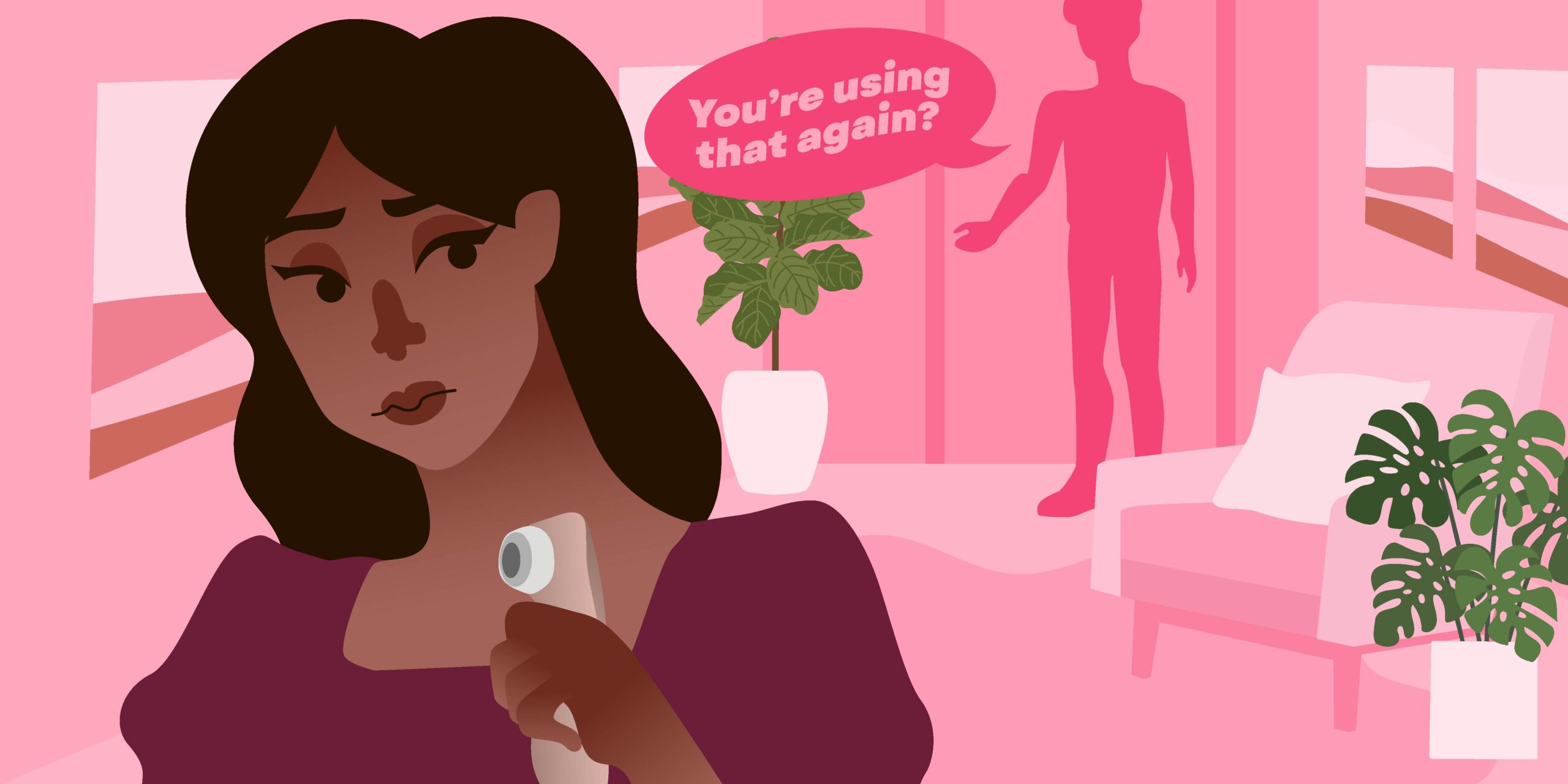
Do you find yourself overthinking in a relationship? Are you constantly worried that your partner will meet someone better? Do you find yourself re-reading their text over and over again, focusing on a specific line?
You’re not alone. Being an overthinker is a pretty popular topic on social media, with posts reaching thousands of likes.
This behavior is also a common stereotype among women, with Filipinos using local slang like “OA” and “Tinotoyo.” This is completely false, though, and only fuels the misogynistic notion that women are “too emotional.”
But despite being a common trait, overthinking isn’t something we should normalize. If you don’t address your overthinking habits, they may harm you and your relationship in the process.
Now, you can’t simply stop overthinking, especially if this behavior has been deeply ingrained in you for years, but certain practices can help. This guide will share some of those tips, along with other information you should know.
Signs You’re an Overthinker in a Relationship
As defined by Healthline, overthinking pertains to “dwelling on certain thoughts or constantly anticipating a situation or its possible outcome.” It usually comes with certain traits, such as the following:
1You’re overanalyzing your partner’s every move.

One of the clear signs that you’re overthinking in the relationship is that you overanalyze everything, thinking mostly of negative outcomes.
Let’s say your partner asked to postpone your date and reschedule it for the next weekend because they need to cover their workmate’s absence for an important event. Non-overthinkers will ask a bit more about the event and wish them good luck. That’s it.
But if you’re an overthinker, you might start wondering if they’re actually attending a work event, or maybe they’re trying to see someone else. There may be a new hire at work, or an old flame is trying to catch up. That’s when you find yourself in stalking mode, checking your partner’s latest posts and seeing if somebody is reacting or commenting that’s not within your radar.
The list of assumptions goes on and on… Sounds mentally draining, doesn’t it?
Not only is overanalyzing every aspect of your relationship exhausting, but it can also take a toll on your partner. A relationship should feel like a safe space, but constant suspicion can make your partner feel like they’re walking on eggshells, afraid to make a move that’ll lead to you getting emotional.
 Sold Out






2You’re excessively asking for reassurance.
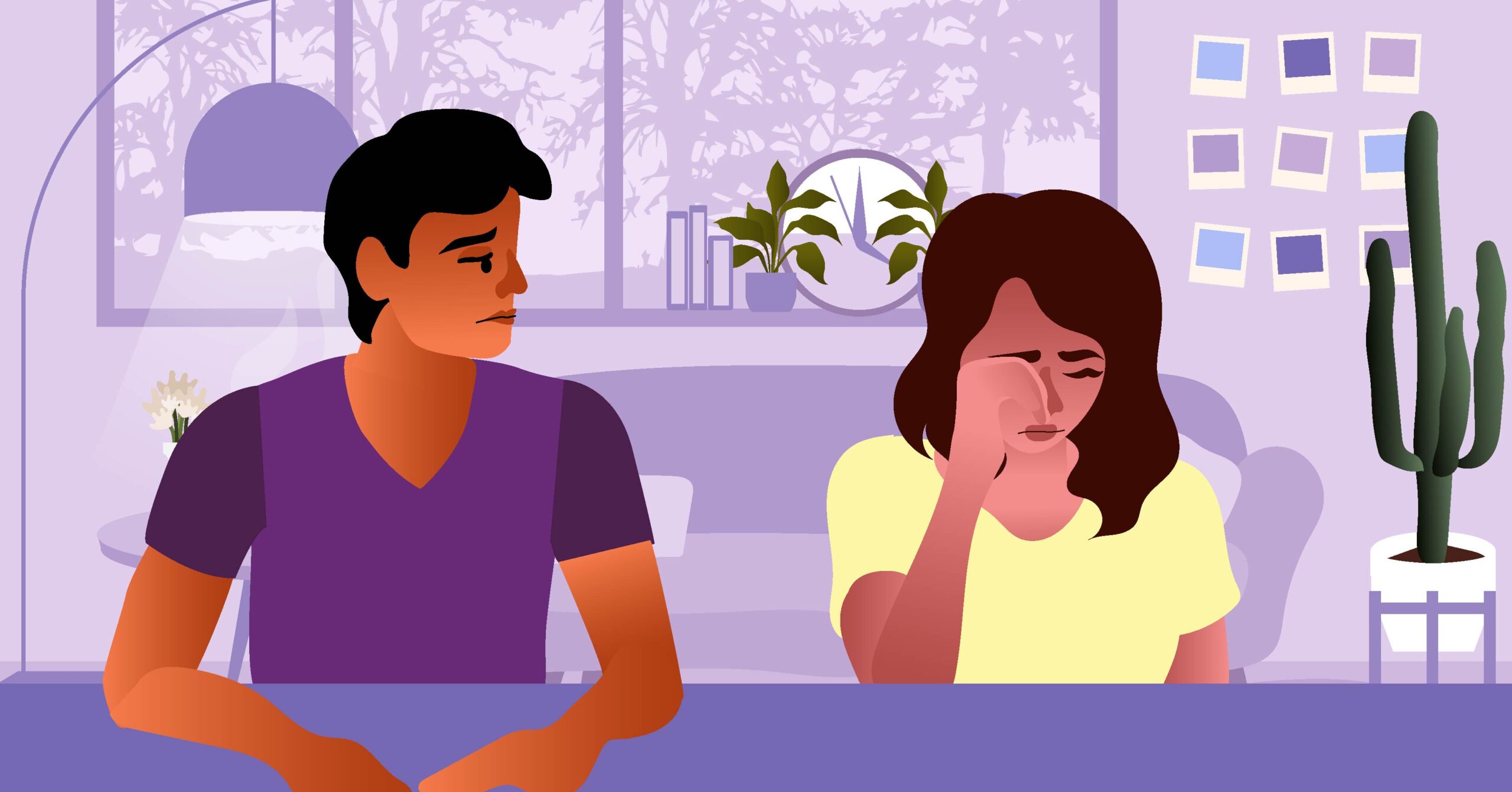
It’s normal to ask for reassurance in a relationship. We all want to be loved and validated, and it can be comforting to hear our partners express their love for us. However, when the need for reassurance becomes constant, such as asking every few days, it can strain the relationship over time.
Imagine being in their shoes. They’re doing everything they can to show how much they love you. They spend time, give gifts, and show all kinds of affection. They’ve introduced you to their friends and family, even uploaded photos of you together on IG. But then they get to hear you ask the same question over and over again…
“Do you still love me?”
At first, it sounds cute, and they even see it as an opportunity to show some affection. But over time, they might start to wonder why you keep doing it. Is it because you don’t trust them? Are you projecting? They’ll either confront you about it or let those thoughts turn into resentment later on.
3You’re constantly second-guessing the relationship.
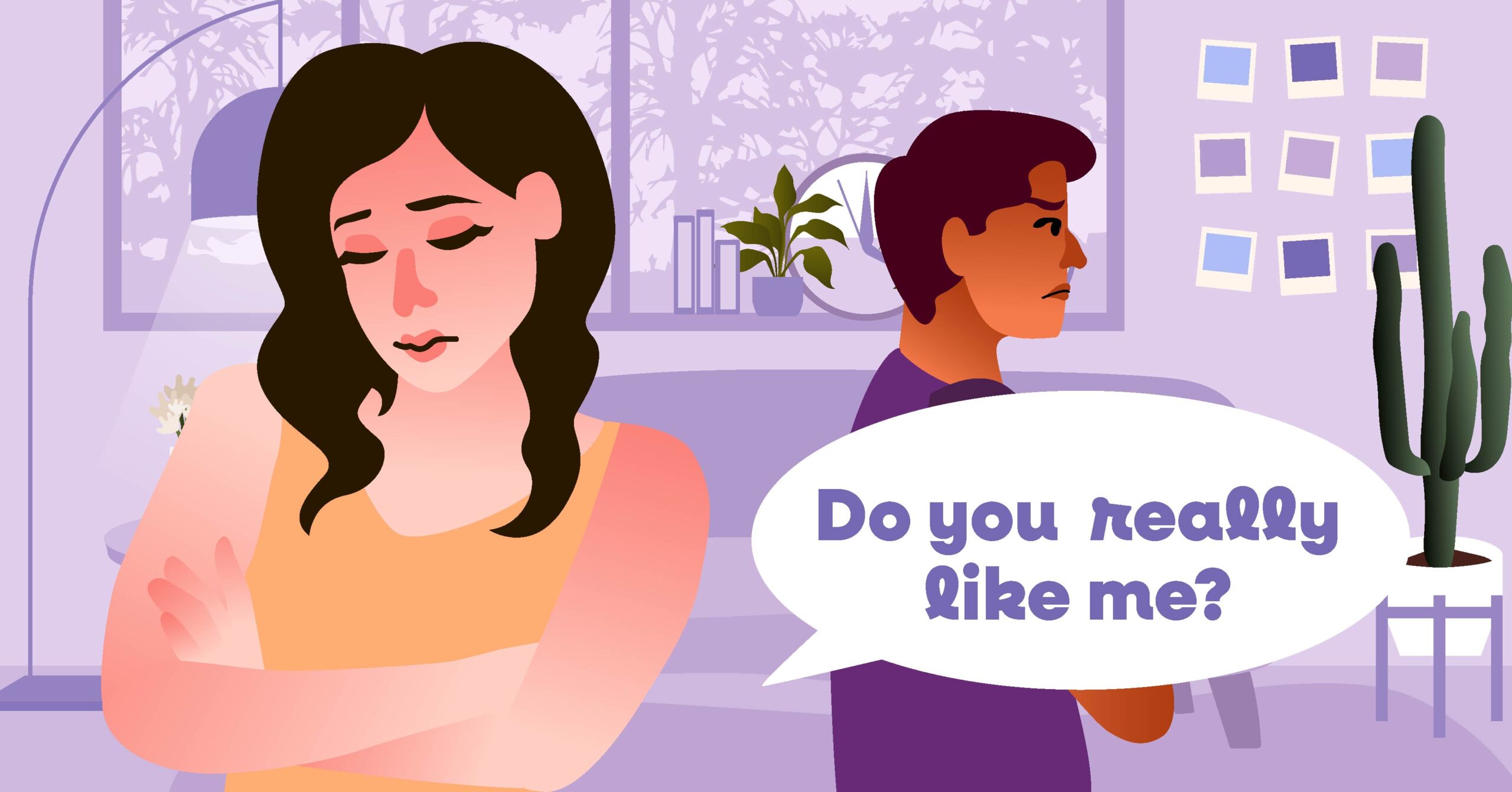
Another common sign is that you keep second-guessing every decision, including the decision to be in a relationship with your partner. When your partner asks you something, you might respond right away, but then those inner thoughts start creeping in and wondering if you should’ve said something different.
 Hot
Hot

 Only 1 left

4You keep thinking about the past issues.
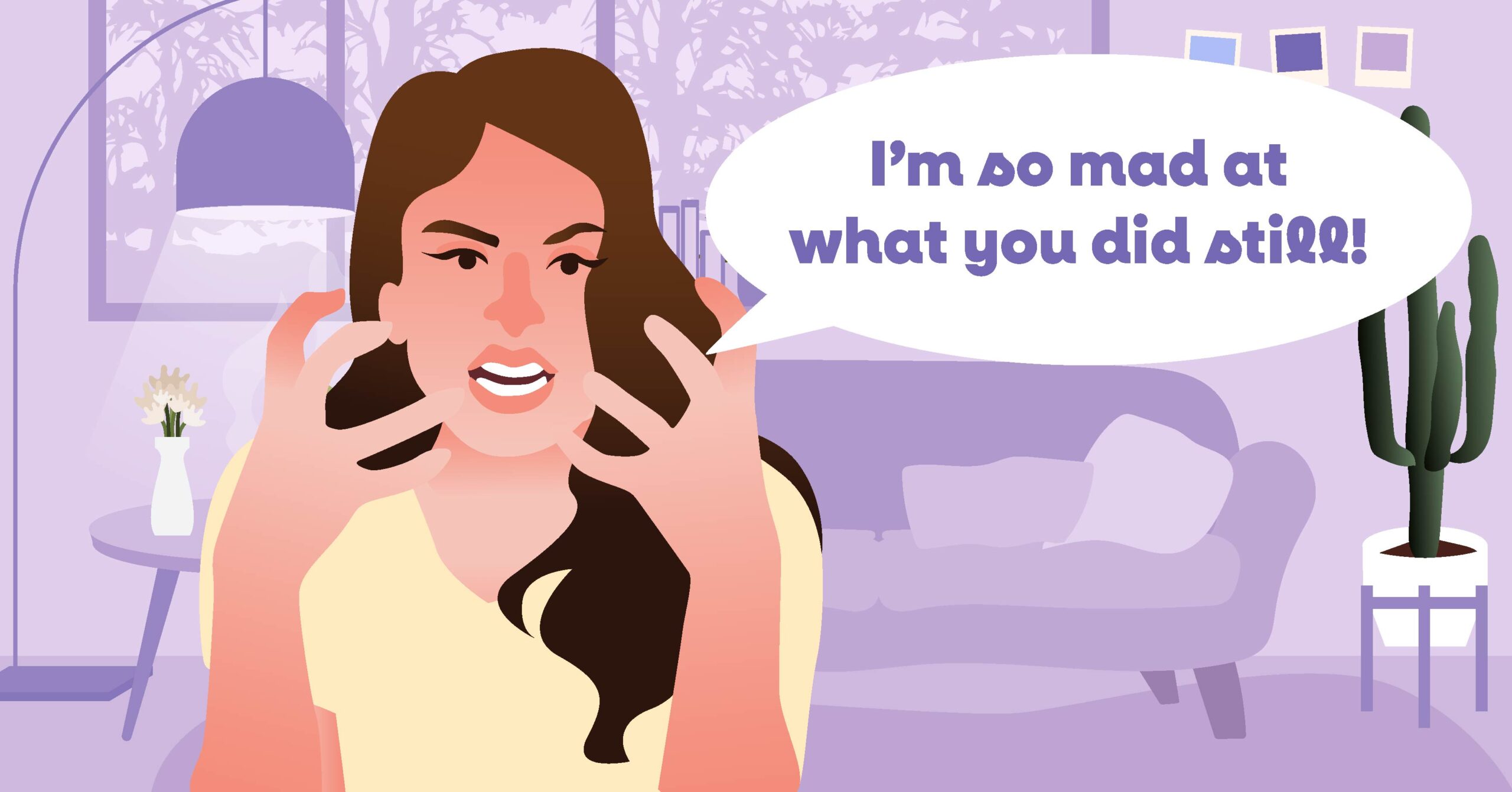
Even though the past issues and fights have been resolved, you still wonder about those conflicts every now and then. You wonder if your partner still remembers those fights, if they harbor lingering resentment over them, or if they’re doing the thing you hate that caused the fight in secret. You just seemed not to let go of the issues.
This is also connected with an excessive need for reassurance; the more you think about past issues, the more you crave validation.
5You’re struggling to stay in the moment.

Overthinkers, in general, struggle to fully immerse themselves in the present moment due to their tendency to constantly second-guess themselves. Their mind is elsewhere, even if they’re physically there, creating emotional distance between them and their partner.
Why Overthinking Happens
Overthinking isn’t something that occurs to us naturally, but is often stemmed from various factors, such as the following:
1Attachment Issues

According to Attachment Theory, developed by psychiatrist and psychoanalyst John Bowlby, our behaviors in close relationships, particularly those in romantic relationships, are shaped by how we bond with our primary caregivers.
When caregivers consistently meet a child’s emotional and physical needs and build a strong bond, the child is more likely to develop a secure attachment. As they grow, they carry that sense of security into their relationships. They’re less likely to overthink because they’ve learned they can depend on others and that they’re valued in return.
Meanwhile, children who grew up with parents who neglected, abused, ignored, and abandoned them will grow up with an insecure attachment. Some of them become overthinkers in the relationship because they believe that they can’t rely on anyone and that knowing what to do in every possible outcome can minimize the potential pain they might experience in the future.
2Past Experiences

Someone with a secure attachment style can still develop overthinking tendencies if they’ve been cheated on. The betrayal can certainly leave lasting emotional scars, making it difficult for the person to trust again and leading them to overthink as a way to ensure that their next relationship won’t end in the same fate.
If your overthinking stems from past betrayal, remind yourself: your current partner isn’t your ex. And if you’re still single and just having a few dates here and there, consider taking a break and rebuilding your trust in others. Once you feel grounded and whole again, you’ll be in a better place to re-enter the dating scene with a clearer heart and mind.




3General Anxiety Disorder

Some mental health conditions can cause a person to overthink or worry uncontrollably, even when they don’t want to. One example is Generalized Anxiety Disorder (GAD), a clinical condition often linked to a combination of genetics, brain chemistry, and environmental factors.
If you overthink almost every aspect of your life to the point that you can’t sleep properly and you’re constantly on edge, please seek professional help immediately.
4Environmental Factors
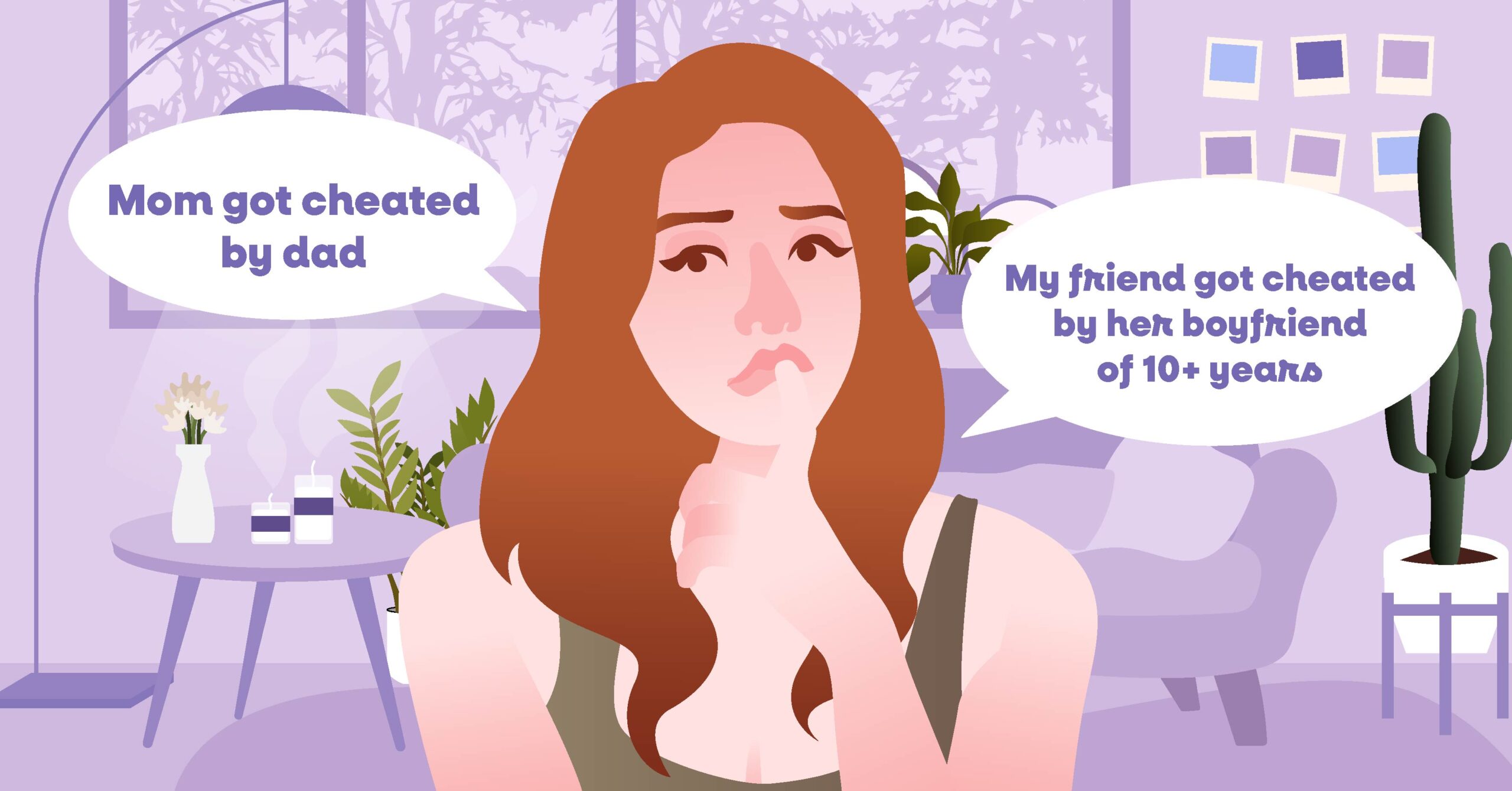
In some cases, overthinking isn’t acquired from past experiences or betrayal, but rather influenced by the people and content you surround yourself with.
You might have friends or family members who constantly second-guess others or carry a skeptical outlook, and over time, their mindset can rub off on you. And if you’re frequently consuming content that centers on cheating, betrayal, or toxic relationship dynamics, you might eventually think that your relationship is heading in that direction.
Effects of Overthinking in a Relationship
If you choose to ignore your overthinking patterns or dismiss them as just a harmless quirk, here are some potential consequences you might face:
1Constant Stress
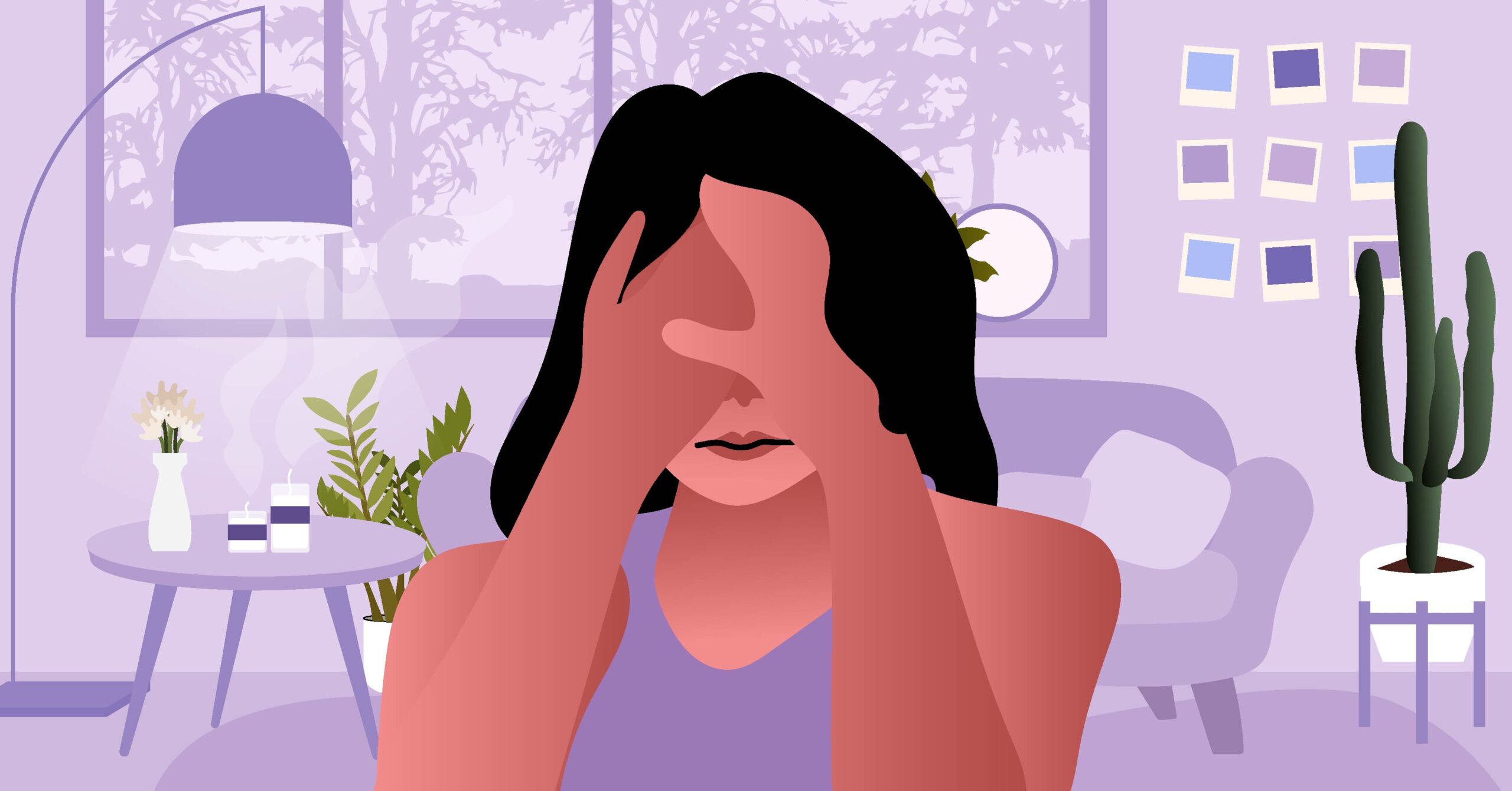
Imagine spending almost all of your time worrying about your relationship and trying to create a plan for all the various possible outcomes you might face… It can definitely zap your energy.
Not only is it bad for your mental health, but constant stress can also affect your physical health. Constant stress often leads to unhealthy habits like staying up late, emotional binge eating, neglecting exercise, or turning to vices as a way to cope.




2Relationship Issues

Let’s be real, being in a relationship with an overthinker can be emotionally taxing. It might not end the relationship right away, but over time, it can create small cracks that can grow into something much harder to repair.
If you don’t work through this trait, your partner may begin to feel drained by the constant need to reassure you, the emotional reactions when something feels off, or the accusations based on assumptions rather than facts. Over time, this can lead to frustration, resentment, and emotional distance.
And even if it doesn’t lead to a breakup right away, the relationship can still take a hit. When you’re constantly stuck in your head, it becomes harder for both of you to grow together.
How to Manage & Stop Overthinking in a Relationship
There are several ways to work through overthinking. Not everyone shares the same story, so your healing journey might look different from someone else’s. But as you begin to challenge your overthinking patterns and work toward feeling secure again, here are a few tips to keep in mind:
1Acknowledge and reflect.

The fact you’re reading this blog is already a step in the right direction, as you’re recognizing some habits aren’t healthy and you’re trying to do something about it.
So keep going and start reflecting. This could involve journaling or even consulting a therapist.
Try to figure out where all this overthinking really comes from. Maybe your parents made you feel like an afterthought growing up, so now you’re always in survival mode, trying to protect yourself. Or your best friend once went behind your back and did something unthinkable, so now you assume people always have bad intentions. Whatever it is, getting to the root is the first step in unlearning it.
It’s okay if you take your time in this process, as this is a crucial step towards healing. Think of it like caring for a struggling plant. If you don’t know what caused it to wilt, you won’t know what to pull out, what to keep, or where to start treating it.




2Practice mindfulness.

Another way to combat overthinking is to stay in the present through mindfulness practices. This can include taking deep, calming breaths or employing other grounding techniques to bring yourself back when your thoughts start to drift too far.
3Talk to your partner.

If your partner’s doing their best to make you feel loved, heard, and supported, it might be time to open up about what you’re going through. Instead of always asking for reassurance, try asking them to help keep you grounded. And if something’s bothering you, don’t just stay quiet and spiral in your head, and instead ask questions to get that much-needed clarity. That’s way healthier than letting your thoughts run wild.
4Spend time on healthy distractions.

Sometimes, sitting around without anything to do can trigger those overthinking tendencies, so if you’re still figuring out how to manage it, try turning to “healthy distractions.” Do things that actually fulfill you, like making art, cooking, writing, volunteering, cleaning your space, or even playing a cozy game on your phone. The goal is to gently fill your mind with something else, something that brings a little joy or peace.




5Seek professional help.

If your overthinking has reached a point where it feels too heavy for you and your partner to handle, it might be time to reach out to a mental health professional. They can help you sort through everything, suggest exercises, or even prescribe medication if needed. They’ll also be able to check if there’s an underlying condition behind your overthinking, like anxiety.
Takeaway
Overthinking in a relationship may be perceived as a relatable trait on social media, but not addressing it can certainly cause issues such as constant stress, nonstop conflicts, and a relationship where both parties are constantly on edge.
That’s why, if you feel like you’re overthinking your relationship to the point where it’s affecting other aspects of your life, please seek the help you need to work through it. You deserve to be in a healthy relationship, one that’s built on trust and not constant doubt.