
Fear of intimacy is something everyone experiences at some point in their life. Or points, but with not experience or in different contexts. But nonetheless, it’s real and valid and something we all want to have and experience.
You have that emotional closeness, trust, deep connection, great sex, vulnerability that feels safe. But in real life? Getting close to someone can feel scary. Really scary.
If you’ve ever pulled away when things started getting serious, felt nervous about emotional vulnerability, or kept relationships at arm’s length even when you wanted closeness, you’re definitely not alone. Fear of intimacy is incredibly common, and it doesn’t mean there’s anything “wrong” with you.
The good news? It’s more of a skill that you can practice and grow on at your time and pace. Let’s get in to the bottom of this topic here.
What You’ll Learn
- What Fear of Intimacy Actually Means
- Why It’s Developed
- How It Can Affect Your Relationships, Confidence, and Sexuality
- Sex-positive ways to move toward connection and comfort
- More sources for learning
Definition of Fear of Intimacy

VeryWell Mind defines fear of intimacy as “the fear of sharing a close emotional or physical relationship.”
It comes with feelings of discomfort, anxiety, or emotional resistance that can show up when relationships start to feel too close, make it be emotionally, physically, sexually, etc., There are different types of intimacy after all.
Even if some want to be intimate, they feel uneasy push others away because of various underlying reasons.
At its core, fear of intimacy is often a protective response. Your brain is basically saying, “Closeness could be risky. Let’s slow things down.” Sometimes that protection comes from past experiences, learned patterns, or simply not feeling fully safe being seen and known.
But at the end of the day, this fear may mean that there’s some emotional safety that has yet to be developed. And if we’re patient and aware enough, we can deal and handle it better. Overcome it even!
Reasons Behind Being Fearful of Intimacy
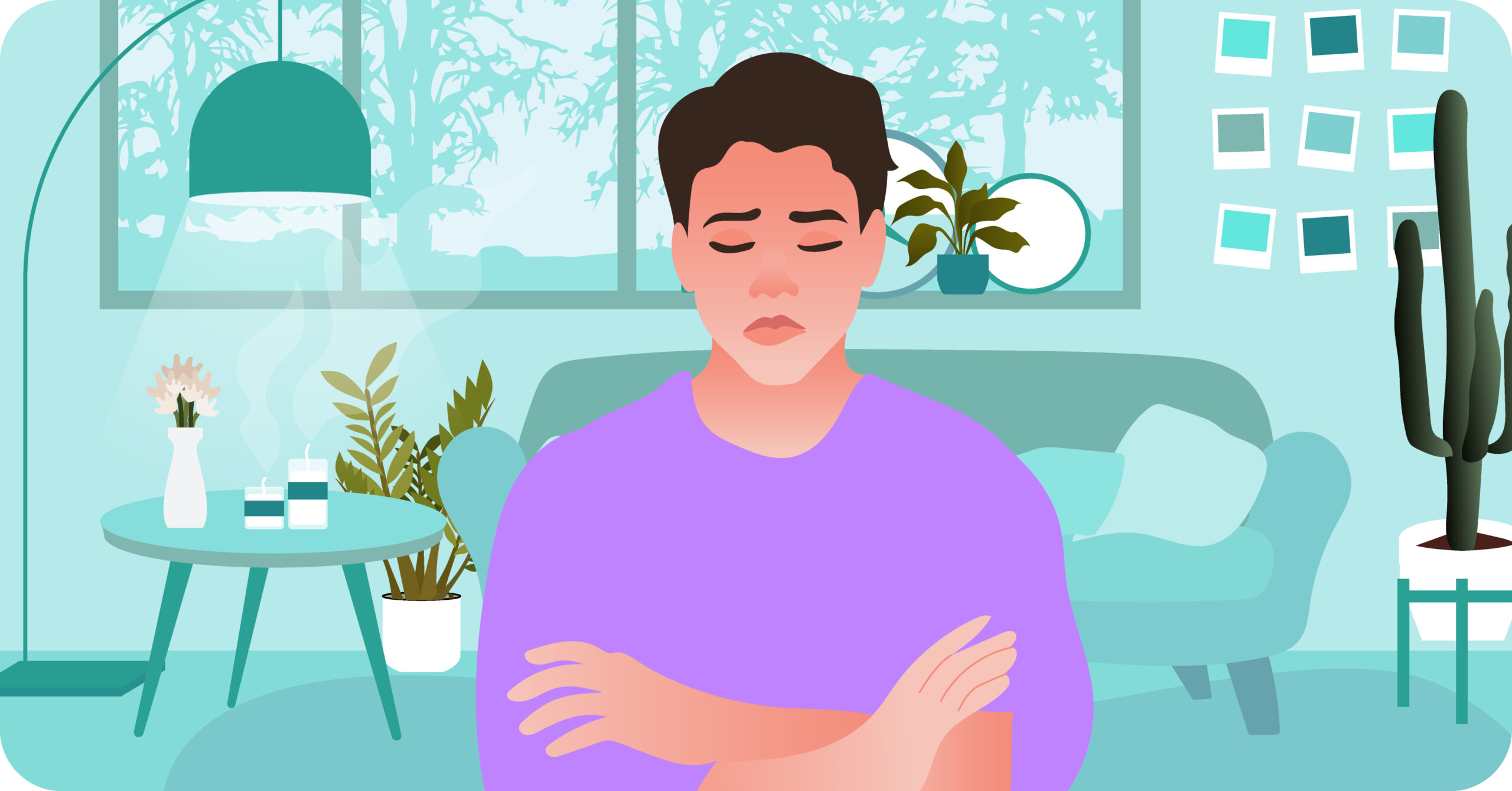
Fear of intimacy always has a source. Unravel its different roots here.
1 Past Emotional Hurt
If you’ve been rejected, betrayed, or emotionally let down before, your nervous system learns to be cautious. Pulling back or closing off from others can feel safer than risking pain again.
The tricky part? Those protective habits can stick around long after the danger is gone and affect your current and potential relationships. You’d feel isolated and lonely.
2 Fear of Losing Independence
Some people worry that intimacy equals losing freedom. identity, and individuality. Healthy intimacy actually makes room for both closeness and individuality. But if you’ve seen and experienced more unhealthy relationships before, that balance might not feel obvious.
3 Attachment Patterns
Early relationships, especially caregivers growing up, shape how safe closeness feels. That’s why everything about a person starts at home. For some people, they naturally lean toward independence and self-protection, while others crave closeness but fear losing it.
Some outcomes make it easier to be intimate, while others make it challenging. Regardless, these kinds of patterns are just starting points for growth.
4 Fear of Vulnerability
Now this seems to be a common theme for many people. With intimacy, it often means being seen – flaws, desires, weird thoughts, all included. That level of openness can feel exposed.
Many people have worrying thoughts like:
- What if they don’t like the real me?
- What if I’m too much or not enough?
- What if I lose control?
These are normal fears, even for confident people. But it can also hinder someone to be intimate.
5 Fear of Abandonment
People with this fear are afraid of being left behind by a partner, which can stem from negative childhood experiences (e.g., a parent or core adult figure abandoning them). Even as they grow up, those feelings stick with them and make it difficult to open up to others.
6 Sexual Anxiety or Body Image Concerns
When someone feels unsure about their body, performance, or sexual experience, emotional closeness can feel extra vulnerable. And vulnerability is scary, hence making it hard to fully relax when your brain is busy judging you.
But do remember the purpose of sex positivity: pleasure is not about perfection. It’s about curiosity, communication, and exploration.
7 History of Neglect and Abuse
Emotional neglect, especially parents, passes on the message to their kids that they aren’t reliable when they need help. Even if they’re physically there, they’re not a source of support. Then with physical neglect, they don’t acknowledge you at all and even forget to give you the basic necessities, love included.
As for physical abuse, distorts your view on what a good relationship is, only teaching you tolerate and give in to someone’s pain and wrath. Especially if it’s physical, you may flinch at the first physical touch that wasn’t a threat to begin with.
With verbal, they fear sharing things to others as they fear of being made fun of.
8 Anxiety
Intimacy can be social, which may potentially lead to social anxiety. Someone who’s afraid to show their true colors due to another person’s judgment are more likely to stray away from building relationships. There’s also the fear of rejection that they don’t want to face.
Plus, there’s that chance of having more superficial relationships so they don’t get into the deeper, more personal aspects of themselves.
Effects of Fear of Intimacy
Fear of intimacy is more than just relationships. Let’s browse through the different aspect it influences here.
1 Sexual Experiences

Intimacy and sexuality are deeply connected. When emotional safety feels shaky, sex may feel:
- More performative than pleasurable (faking it)
- Hard to fully relax into
- Less satisfying, even when desire exist
Unfortunately, it’s a lot more common than most people realize.
2 Relationship Patterns

Certain trends in a relationship may say a lot about where you stand with intimacy. You might notice:
- Pulling away when things get serious
- Choosing emotionally unavailable partners
- Keeping conversations surface-level
- Deflecting important conversations
- Feeling restless when someone gets too close
Sometimes people cycle between wanting closeness and pushing it away. That emotional “push-pull” can be exhausting.
3 Emotional Well-Being

Avoiding closeness can protect you in the short term, but lead to loneliness or frustration long term. We’re social beings; we’re wired for connection, and ignoring that need can feel surprisingly heavy.
How to Handle and Overcome Fear of Intimacy
Fears can be faced when you put in the work. But what kind of work? Let this section provide you a guide on that.
1 Notice your patterns without judgment.

Mindset can set the tone of many things, especially how you view your life.
In this case, instead of thinking “Why am I like this?”, reshift your thinking with these guide questions:
- When do I tend to pull back?
- What feelings show up before I shut down?
- Curiosity is way more helpful than self-criticism.
You also collect data on which version of you you are in the moment.
2 Prioritize open communication.

Literally can solve a lot of problems! And it doesn’t have to be dramatic or theatrically. But it needs honesty and authenticity.
That could look like:
- I like you. Sometimes, closeness makes me nervous.
- I’m learning to open up at my own pace.
- Be gentle with me.
The right partner will appreciate clarity.
3 Redefine intimacy.
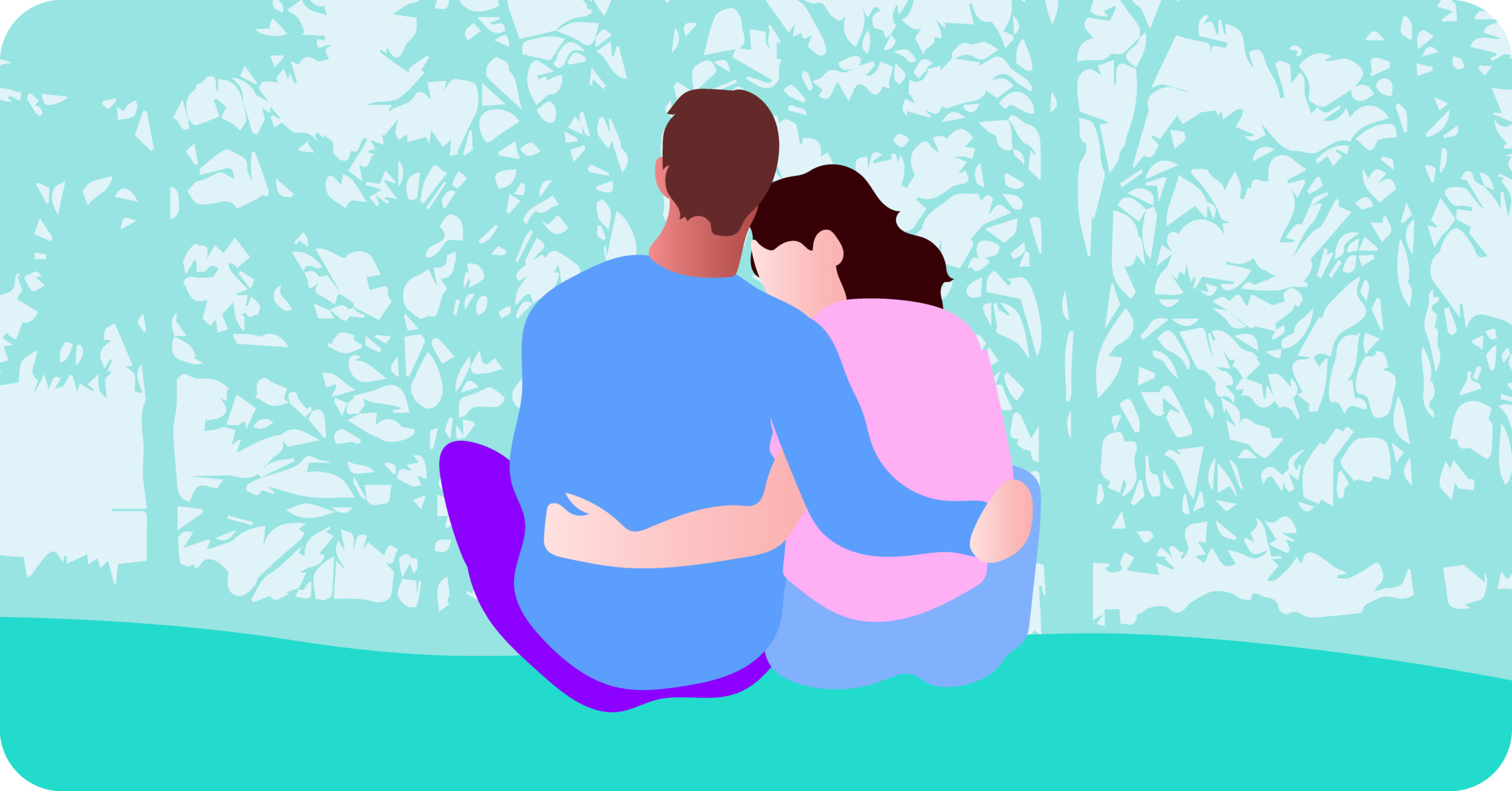
Intimacy is not a direct equivalent to sex. It can look like:
- Sharing a personal story
- Eye contact that lasts a little longer
- Laughing vulnerably
- Exploring pleasure slowly with consent and curiosity
- Gentle physical touches
Small moments like these ones with the right person build safety and trust.
4 Move at your comfort.

Sex-positive doesn’t mean rushing. In fact, slowing down often creates better experiences.
Try:
- Checking in with your body during intimacy
- Naming what feels good (and what doesn’t)
- Exploring physical touch without pressure or performance goals
Playfulness helps lower anxiety Intimacy can be lighthearted and fun, not just serious or intense.
5 Gradually build self-trust.

The more you trust yourself to set boundaries, the safer closeness feels. Knowing you can say “yes,” “no,” or “not yet” is incredibly powerful. Following through with your promises also build self-trust.
6 Seek professional help.

While all these tips can help you approach fear of intimacy, it’s still possible that some root sources would need deeper help. This, therapy, counseling, or coaching, especially with someone who takes a sex-positive, shame-free approach, can help unpack deeper patterns gently and safely.
Getting support isn’t a sign you’re broken; it’s a sign you’re investing in yourself.
Watch and Read
Learning about intimacy doesn’t have to stop here. If you’re curious to go deeper (or just want some comforting, insightful perspectives), these articles and videos are great next steps.
Watch
- TED – The Power of Vulnerability – Brené Brown
- Kati Morton (Therapist) – Fear of Intimacy & How to Overcome It
- TED – Brené Brown: Listening to Shame
Read
- Verywell Mind: Fear of Intimacy: Signs, Causes, and Coping Strategies Summary
- mindbodygreen: Fear of Intimacy: Causes & How To Heal
- Verywell Health: What ls Fear of Intimacy
Summary
- The fear of intimacy is the fear of being emotionally and/or physically close to anyone.
- The sources of the fear can come from childhood trauma up to adult experiences.
- It can leave someone feeling uneasy and anxious when things get real and serious.
- It’s key to acknowledge the patterns that lead up to this fear, communicate with your partner, and take your time during this personal journey.
- Seeking professional help is a strong way to further get deep into the core of your fear of intimacy.