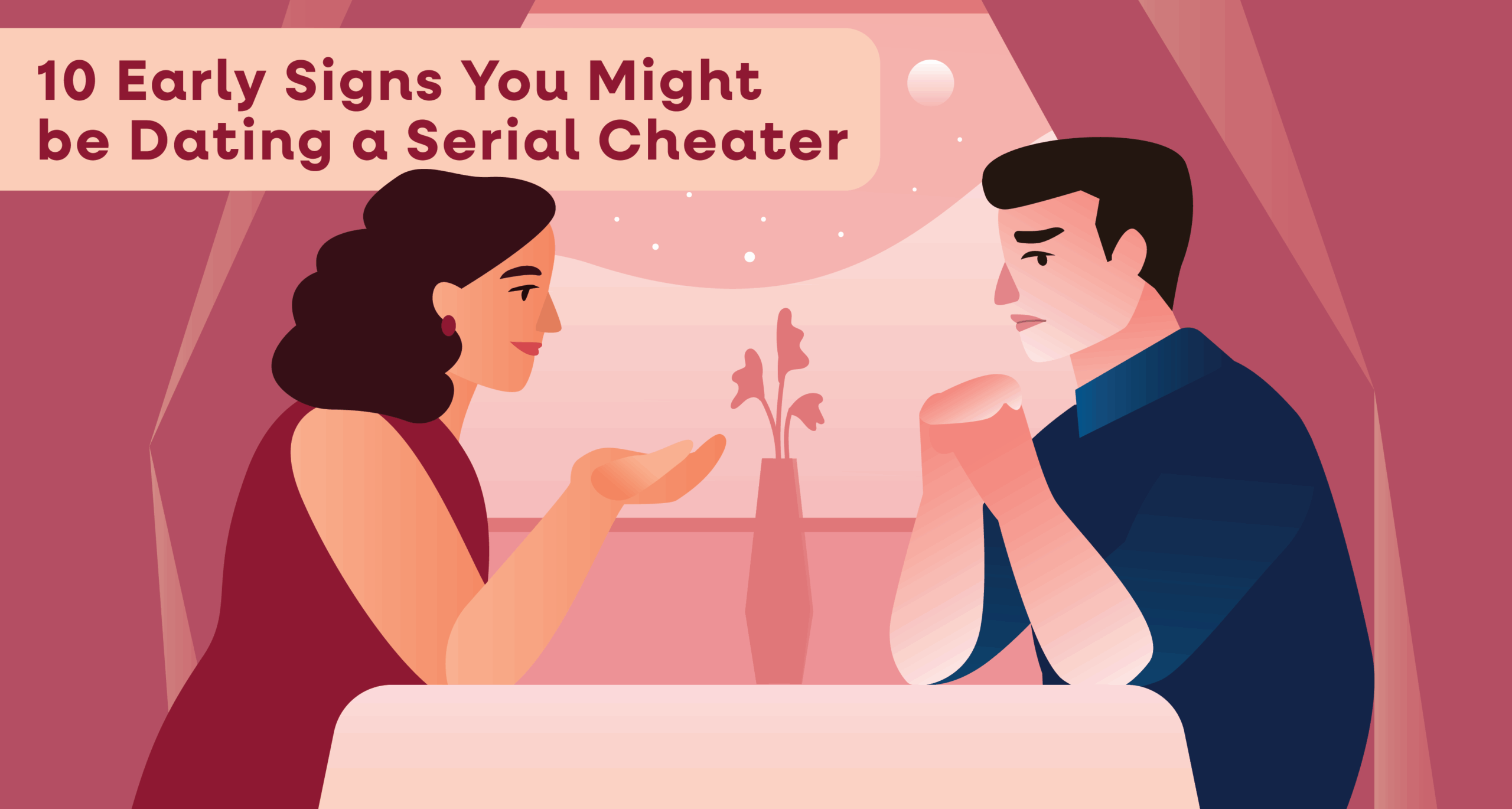
Let’s start with a quick clarification: a serial cheater can come in many forms.
They don’t all look or act the same, but they often follow certain patterns. And if you’re observant enough, you might spot these red flags early and potentially save yourself from a heartbreaking future.
So, what are these red flags? This guide will share some of the common ones:
1They’ve admitted to cheating in their past relationships.

This one’s pretty obvious, as someone who’s cheated on a previous partner may end up repeating the same patterns with you.
“But they’ve already changed for the better. In fact, they shared this information with me because they’re already grown from it…”
Of course, they might say things like that, especially if they’re trying to win you over. But if you want to know whether they’ve changed, pay close attention to how they talk about their cheating past.
Were they genuinely remorseful, or did they downplay what they did? Did they take full accountability or use excuses like “the relationship was toxic,” “my ex cheated first,” or “it just happened”?
How they frame their past can give you some insight if they’re going to repeat the same behavior or not.
 Sold Out




2They badmouth most of their exes.
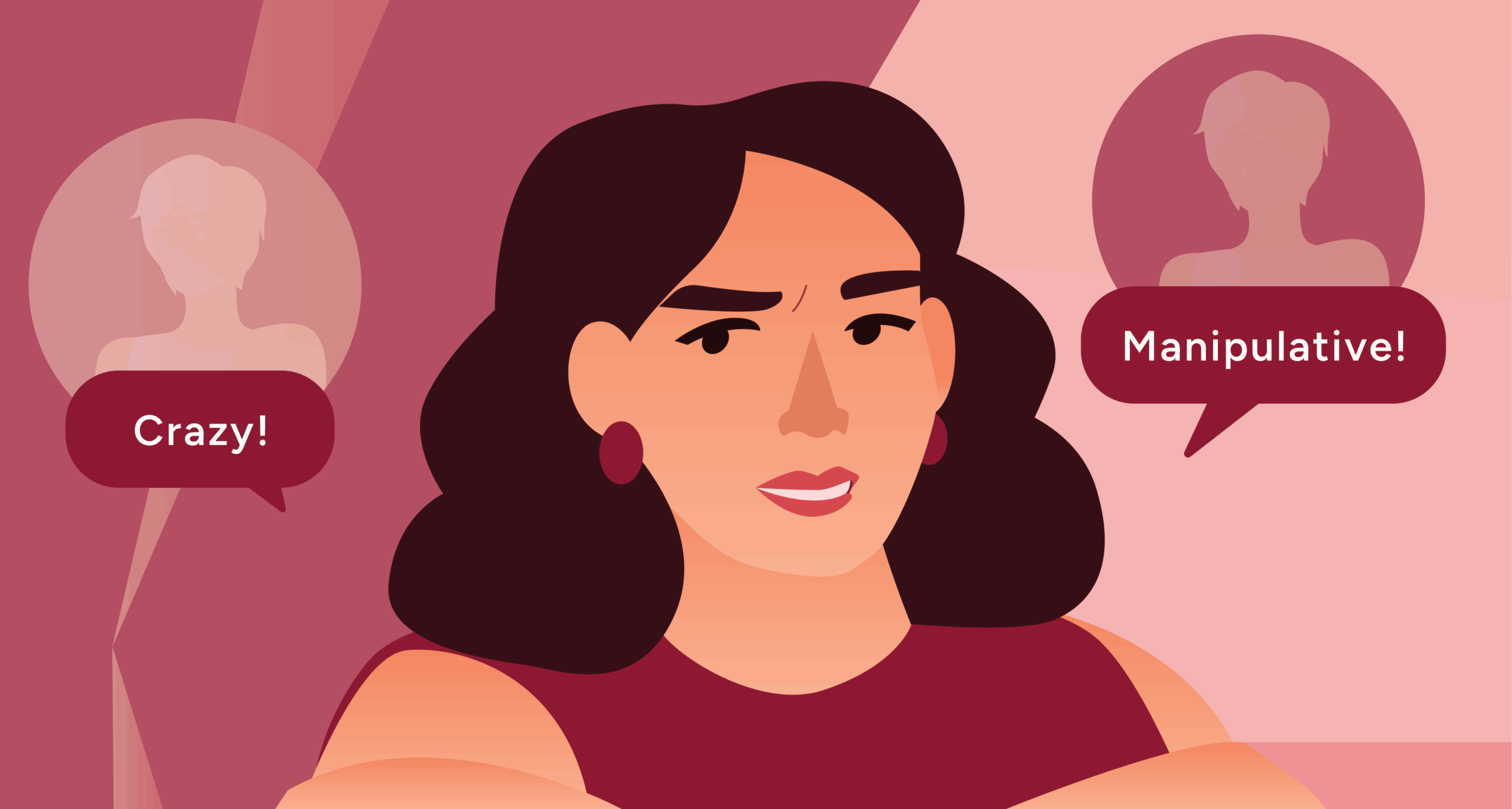
Another thing to pay attention to is how they talk about their exes. If every ex was “crazy” or “manipulative,” it could be a red flag. They might be leaving out key parts of the story to win you over, or they could simply lack self-awareness and personal accountability.
Here’s the thing, some people do have a string of bad luck in love. But if all they do is badmouth their past partners, especially using that as an excuse for why they cheated, there’s a good chance not everything is being brought to light.
3They lie all the time.

General dishonesty is one of the key traits of a serial cheater. If you catch them lying about themselves, or notice them being dishonest with friends, coworkers, or others, ask yourself: what’s stopping them from lying to you, too?
If they’re comfortable bending the truth in everyday situations, it’s not a stretch to imagine them hiding things like being in a relationship.




4Their smartphone habits are pretty secretive.

Another behavior that’s common with serial cheaters is that they protect their smartphones and other personal gadgets as if their lives depended on it.
Of course, privacy is important in any relationship, but if you notice they always cover their screen around you, constantly step out to take calls, or won’t even let you check their phone in an emergency, they might be hiding something suspicious.
5They’re flaky AF.
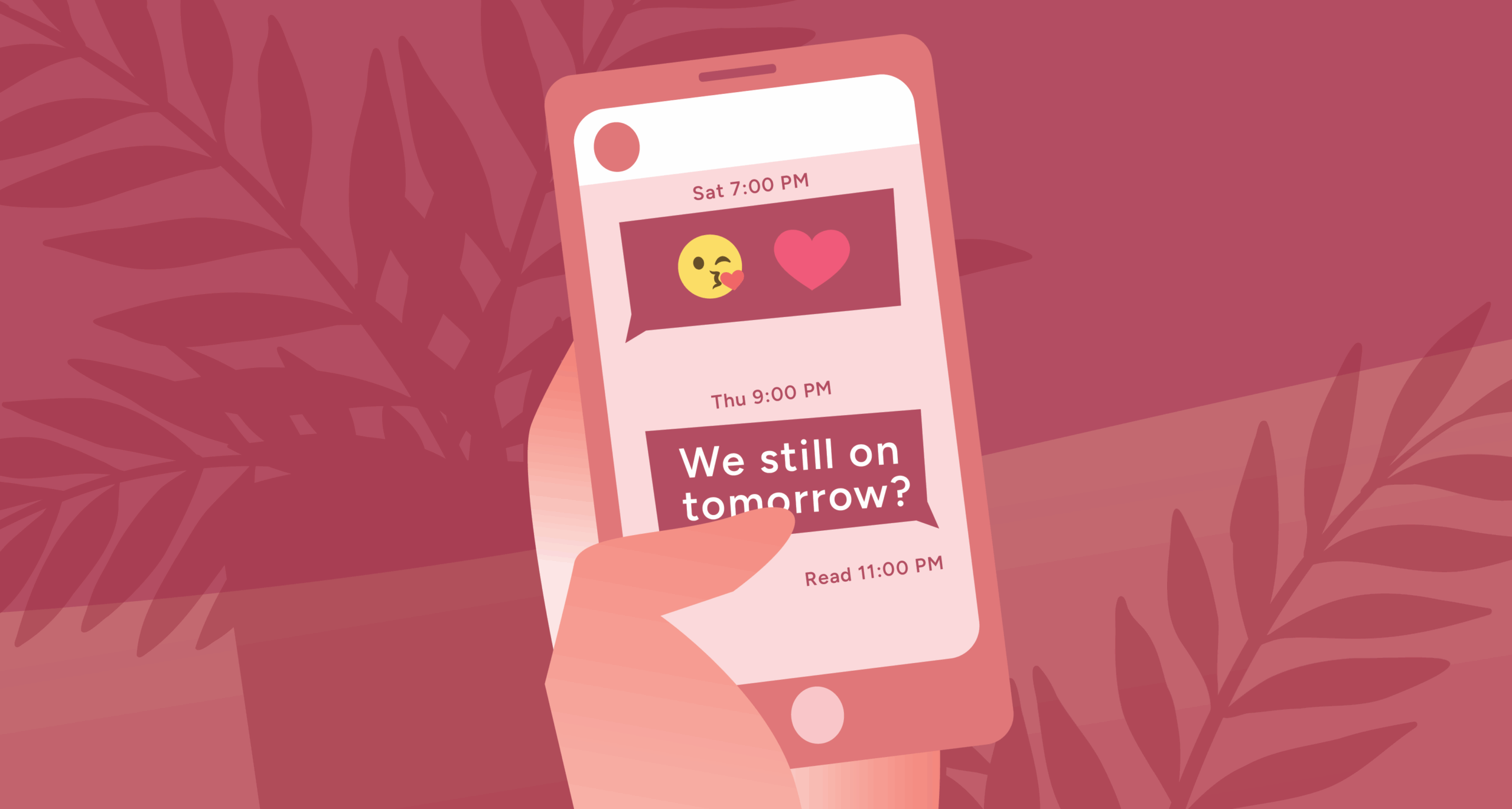
Is your partner always canceling or postponing plans? One minute, they’re excited to see you, and the next, they suddenly don’t seem to care? Do they shower you with attention one day, then can’t even be bothered to reply to your messages the next?
This kind of flaky behavior could be a sign that they’re juggling multiple dates and only responding to you when it’s convenient or when they have nothing else going on.
Of course, some people genuinely live busy lives. But if they consistently make plans without following through, it might mean their time and energy are going elsewhere, or possibly to someone else.
Now, if you’re just starting to get to know this person, it’s fair for both of you to keep things open. But if they’re acting like you’re in an exclusive relationship while still pulling this hot-and-cold routine, it might be time to take a step back and reassess this relationship.
6They lack empathy or remorse in the relationship.

If something’s bothering you and they either dismiss your feelings or flip the situation to make themselves the victim, that’s a major red flag. A partner who shows little to no empathy isn’t likely to care about how their actions affect you, and that includes cheating.
Of course, not every “nonchalant” partner is a serial cheater. But someone truly committed to you should care if you’re going through something difficult.




7Their past relationships are short-lived.
Another thing to look out for is whether they’ve ever been in a long-term relationship.
Now, short-lived relationships don’t automatically mean someone’s a cheater, but if this person is already in their late 20s or early 30s and still hasn’t had a long-term relationship, it could be a sign of commitment issues.
And when someone struggles with commitment, that could lead to getting stuck in a situationship, or they may end up cheating when things start to get serious.
8They’re constantly accusing you of cheating.

Does your partner check up on you constantly when you’re going out? Do they get jealous every time you talk to someone of the opposite sex? Do they insist on going through your phone or laptop, even guilt-tripping you into sharing your passwords?
Or maybe they love to joke about you cheating on them. One cheeky joke doesn’t necessarily mean anything, but if they constantly bring up cheating every time you try to do something for yourself or meet up with friends or colleagues, it could be a red flag.
Now, let’s clarify that a person accusing you of cheating or being afraid of being cheated on means they’ve done it themselves. In some cases, people act this way because they’ve been cheated on before, and that trauma shows up as control or insecurity.
But if they don’t have that kind of past, they might be projecting. It could be that they’ve cheated before, and now they assume others will do the same.
9They seem to be afraid of commitment.
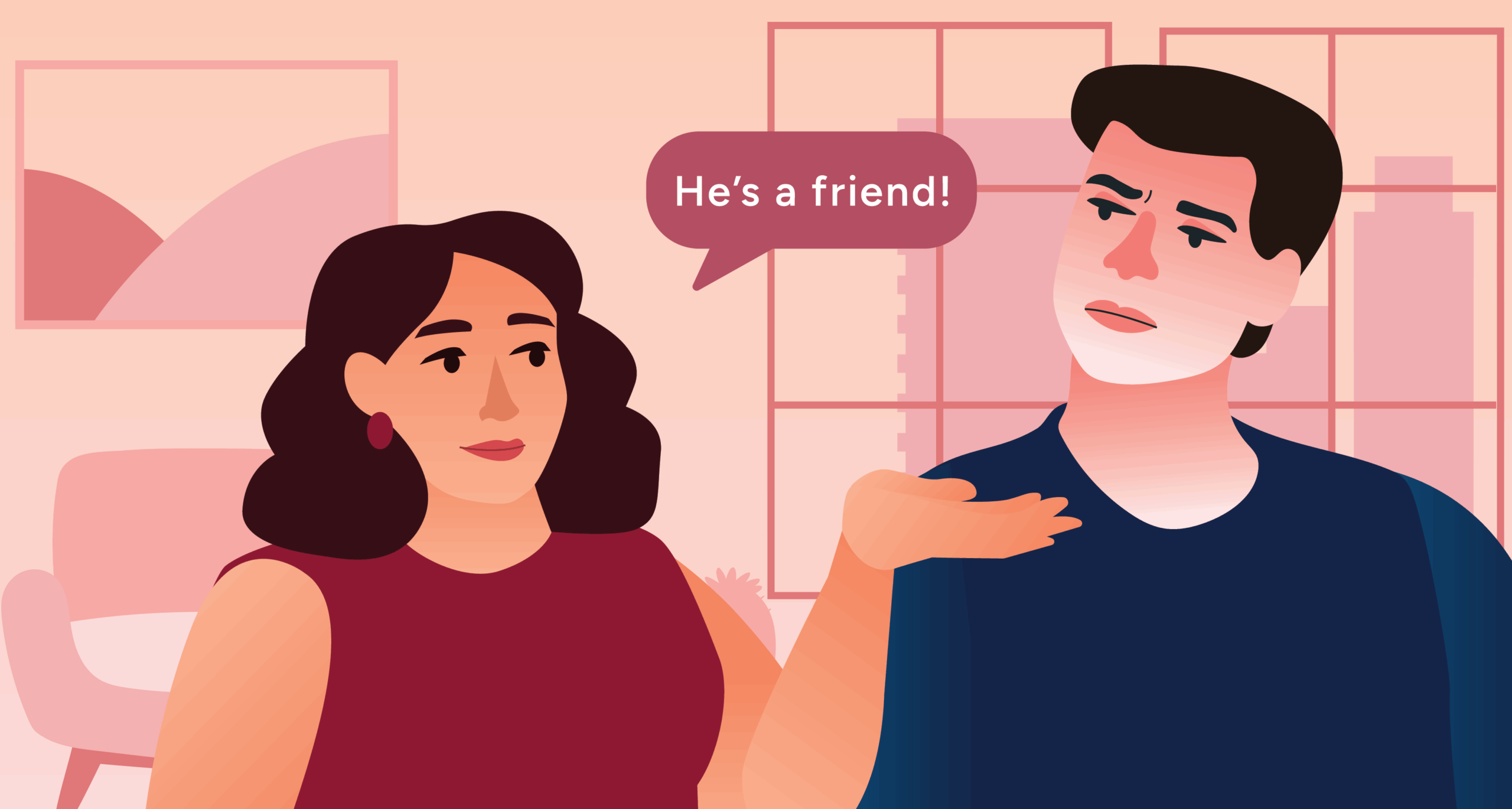
Serial cheaters usually aren’t big fans of making things official. If they can keep the situationship going, they’ll keep it as vague as possible. They might breadcrumb you, bring up past experiences, or even use their mental health struggles as an excuse not to make the relationship official.
Why? Because staying unofficial gives them the freedom to message or talk to other people without feeling accountable. Even if they’re implying exclusivity, they might still flirt or connect with others and justify it by saying, “Well, we’re not technically together.”
No label often means no responsibility, at least in their mind.
 Only 2 left

 Hot
Hot

10They have poor impulse control.

Another thing to pay attention to is whether your date can practice delayed gratification.
Are they the type to impulse buy, even when they can’t afford it? Do they make decisions on a whim without thinking of the consequences?
People with poor impulse control tend to chase instant dopamine hits. That’s why many serial cheaters fall into this category. They’re more focused on satisfying their urges in the moment, even if it means hurting their partner in the process.
Can a Serial Cheater Change?
Let’s say your current situationship or the person trying to pursue does tick some of the signs in this guide. Your mind is probably telling you to stop seeing this person.
But let’s be real here for a sec… When you’ve already spent time with that person and have developed a bit of feelings for them, there’s a part of you that wants to believe that they’ll change.
But can a serial cheater change?
They can, but only if they take full ownership of the hurtful actions they’ve done in the past.
This is why, from the very beginning of this guide, we’ve mentioned that if the person you’re seeing shows genuine remorse for what they did and takes real steps to prove they’ve changed for the better, there’s still some hope. There’s also a bigger chance of improvement if this person is also seeing a therapist or mental health professional to work through the root cause of their cheating past.
However, we also need to consider that during the early stages of a relationship, people will often do whatever it takes to win your affection. That’s why, when dealing with someone who seems like a serial cheater or has admitted to cheating in the past, you need to be incredibly careful.
Again, you can still choose to see this person, but fall in love at your own risk.
Takeaway
As we conclude this guide, please remember this: life isn’t a feel-good romance novel where the bad boy or baddie magically turns into a loyal partner overnight.
Behavioral patterns are hard to break.
So if someone admits they’ve been a serial cheater before or starts showing signs that they might be one, proceed with caution. Don’t fall too fast, especially if they’re using love-bombing tactics to win you over.
It’s safer to build a solid foundation of companionship first. That way, you can better judge whether their intentions are genuine or just part of the act.