Have your exes ever accused you of being emotionally unavailable? Do you feel like you’ve built walls so high that no one can get in? This guide will walk you through what it means to be emotionally unavailable, from common signs to how you can begin to heal and take accountability for the impact of this behavior.
Why Emotional Availability Matters in a Relationship
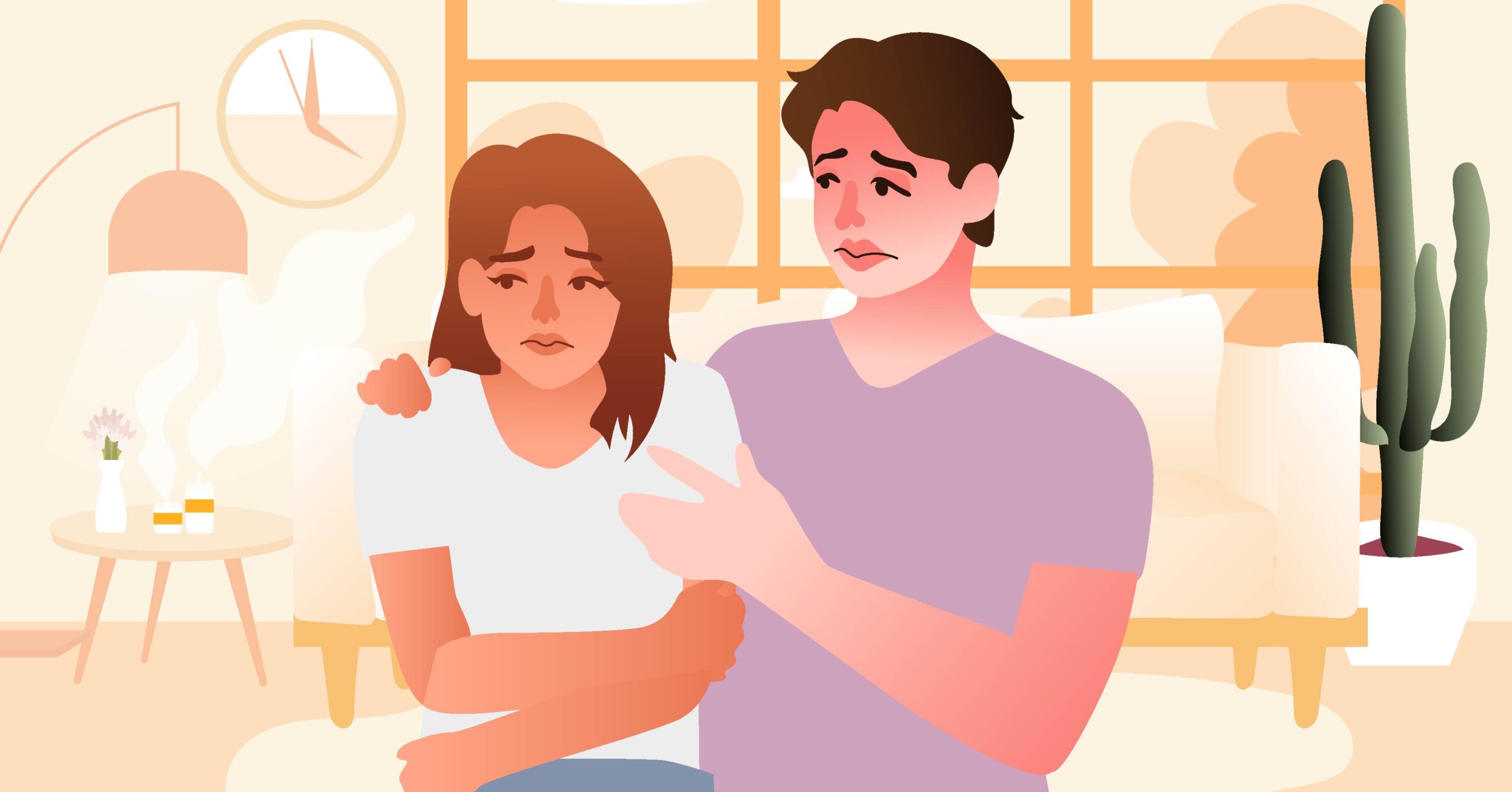
According to ReNu Counselling & Psychotherapy, emotional availability “means being open to expressing one’s feelings and understanding the emotions of others. This creates a safe environment where people feel free to share their true selves.”
Emotional availability is a vital component of any relationship, as it fosters trust, deepens intimacy, and enables both partners to communicate effectively, particularly during conflicts. Not only that, but emotional availability ensures that both partners feel heard, seen, and understood.
In a life partner, we naturally want someone who connects with us. Without those deeper emotional connections, it’s easy to feel lonely, even when the other person is right beside you.
Signs You Might Be Emotionally Unavailable
Wondering if you’re truly emotionally unavailable or if someone’s just misreading your actions? Here are some signs to reflect on:
1 You tend to avoid commitment.

Do you pull away when the person you’re seeing starts talking about making things official? Does it stress you out when they want you to meet their friends or family or vice versa? You may even consider ending the connection altogether, even if you genuinely like them. If this sounds familiar, you might be emotionally unavailable.
As Sabrina Zohar explains in her video on emotional availability, emotionally unavailable people often avoid commitment because they don’t feel equipped to handle the emotional depth that comes with it. Instead, they gravitate toward the fun, surface-level parts of dating.
 Sold Out
 Hot
Hot


 Only 1 left

2Long-term relationships leave you feeling drained.

Does being in a relationship make you feel trapped? Do those deep, vulnerable conversations leave you feeling emotionally drained? Maybe you love having things your way, and being in a relationship feels like you’re losing control. Or you may let your partner handle most of the emotional labor, like making plans or setting up quality time.
That might be emotional unavailability showing up. As mentioned earlier, emotionally unavailable people cannot often connect and empathize deeply. So even if they’re in a relationship, they may find it hard to meet emotional needs or stay fully present.
3Vulnerable conversations are hard for you.
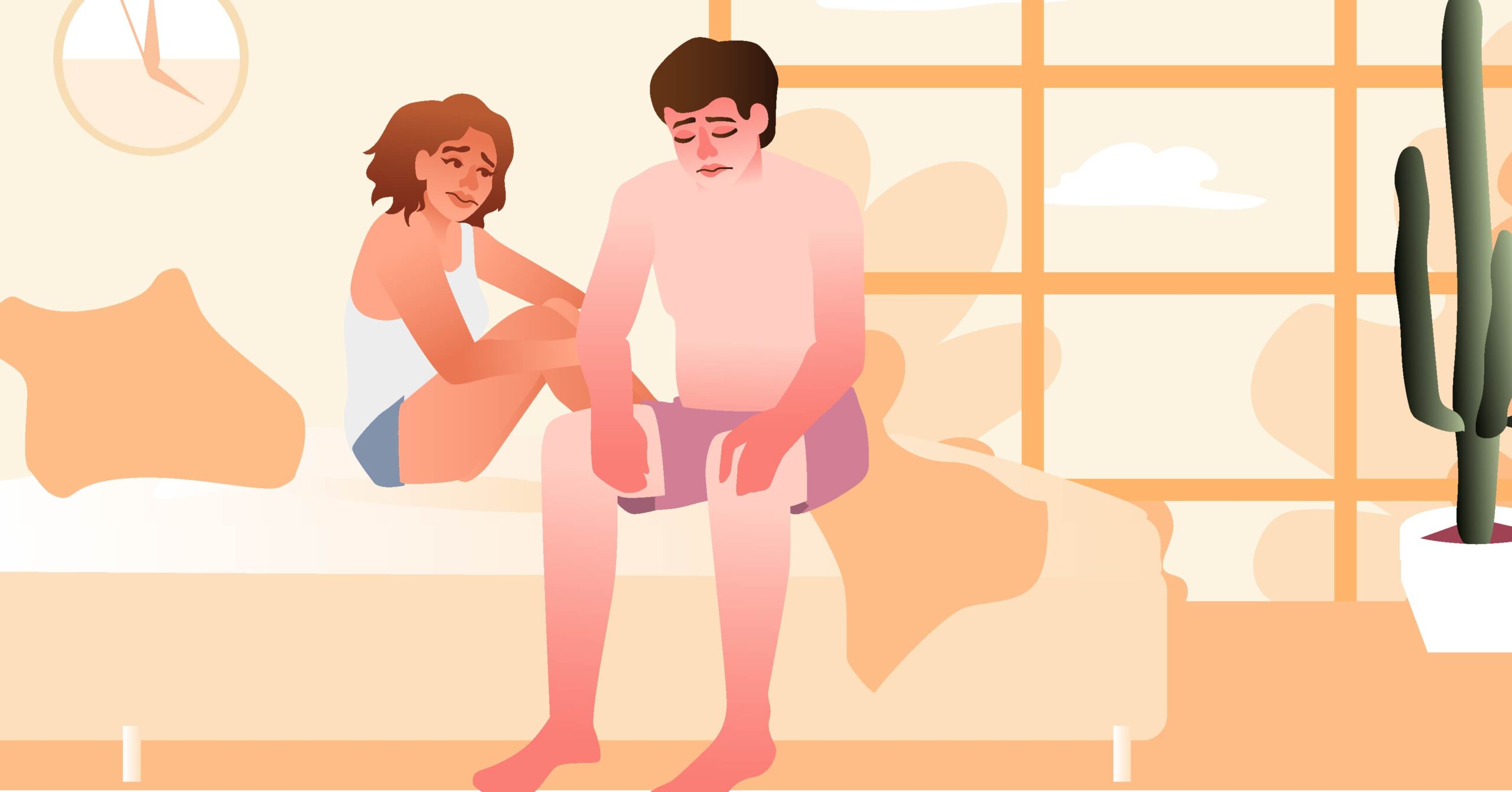
How do you respond when someone wants a serious and vulnerable conversation? Do you…
- Change the topic immediately?
- Try to make light of it or respond jokingly?
- Just nod and agree to whatever your partner is sharing?
- Get annoyed and telling them they’re being “too negative?”
- Walk away when things start to get too emotional?
If this is how you react when your partner is trying to have a heart-to-heart convo with you, you might be dealing with emotional unavailability. One of the key signs of emotionally unavailability is struggling to express your emotions. When there’s a lack of trust in your partner, even simple vulnerable conversations can feel risky, so you might try to steer away from them.
Being afraid of intimate conversations also ties back to a fear of commitment. Since deeper conversations are typically part of serious, long-term relationships, avoiding them may feel like a way to avoid the pressure of “making it official.”




4Your effort, communication, and presence in relationships can be inconsistent.
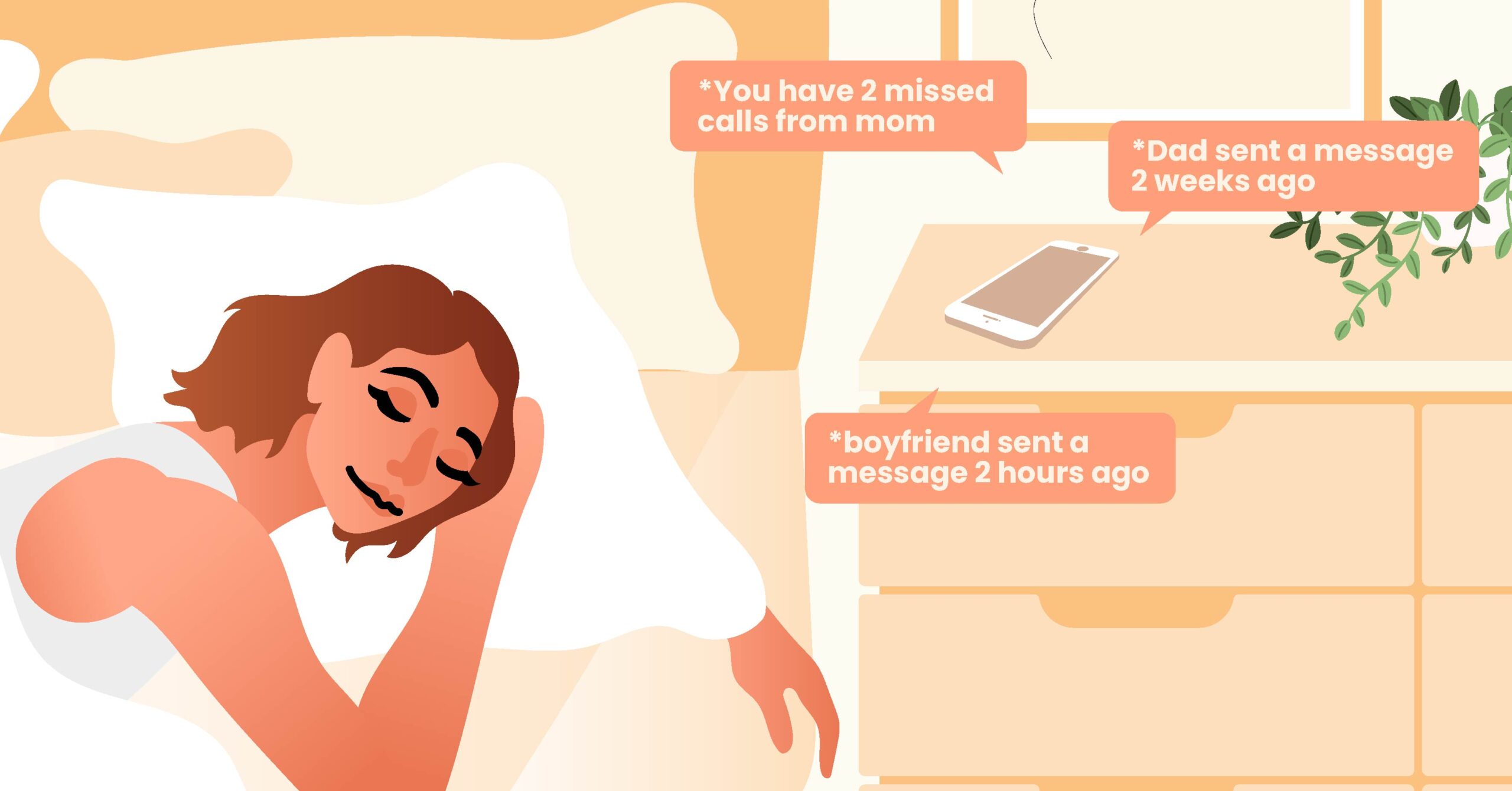
Let’s talk about the effort you’ve been pouring into the relationship. Do you consider yourself as someone who bring their a-game in the relationship or someone who “goes with the flow?” Do you take the initiative to make plans, or do you leave all the work to your partner? Do you reach out regularly, or only when it’s convenient for you? When you learn something new about them, do you try to learn more or brush it off?
If your effort in the relationship is inconsistent, you might be emotionally unavailable. Even though past trauma or attachment issues can make things complicated on your end, giving someone the bare minimum can be deeply hurtful.
5Most of your past relationships haven’t lasted long.

Emotionally unavailable people often struggle to maintain long-term relationships because of their inconsistent effort and avoidance of vulnerability. They might also be the ones who end things early, particularly when the relationship starts to feel too serious.
6Trusting others doesn’t come easily for you.

In some cases, emotionally unavailable people also tend to be hyper-independent. Because they don’t fully trust the person they’re dating, they hold back from sharing intimate parts of their life, even when they need support. They’d rather handle everything on their own than let their partner in during tough times.
7You struggle to truly empathize with your partner’s emotions.

When your partner opens up about something vulnerable or shares a concern about the relationship, do you genuinely try to understand where they’re coming from, or do you often feel confused about how to respond? Perhaps you’re unsure whether to offer solutions, offer reassurance, or give them a hug.
It’s completely normal to feel uncertain in emotionally charged moments. But if this happens every time your partner opens up, it might be a sign of emotional unavailability. As mentioned earlier, emotionally unavailable people often struggle to connect with and respond to emotional needs in a consistent, meaningful way.


8You always keep your options open.

When emotionally unavailable people are dating, it can feel like one foot is always out the door. That’s why some never fully leave dating apps, so when things get too emotionally demanding, they can easily start fresh with someone new.
This kind of behavior can be hurtful for the other party. If you’re upfront about wanting something casual, at least you’re being honest. Being emotionally distant doesn’t give anyone a free pass to play with someone else’s feelings.
Potential Causes of Emotional Unavailability
Part of managing and working through emotional unavailability is understanding where it comes from. Here are some possible reasons why you might be showing this behavior:
1You struggle with attachment issues.

Emotional unavailability often stems from childhood experiences. The way your primary caregivers respond to your emotional needs plays a huge role in how you connect with others later in life.
If your parents or guardians didn’t express affection, pride, or emotional support before, it can shape how you handle (or avoid) emotional connection in your relationships.
2Past trauma has made it hard for you to connect with others.

Emotional unavailability can still develop later on, especially after painful experiences like being cheated on or betrayed by a close friend. These kinds of trauma can leave a lasting mark, making it harder for you to open up or fully trust others again.
3You’re facing life challenges like financial stress or mental health issues.

When you’re going through a lot, like grieving the loss of a loved one, facing financial stress, or navigating major career challenges, it can be really hard to show up emotionally in a relationship. These life circumstances can take a toll on your capacity to connect and be fully present with your partner.
How to Work Through It and Start Healing
Being emotionally unavailable isn’t just hurting the people who try to love you; you’re also hurting yourself. You’re missing out on the chance to truly connect and build something meaningful with someone who cares about you. That’s why it’s important to start the healing process now:
1Take a break from dating or communicate with your partner.

If you’re in the dating scene, it’ll be best for everyone’s interest if you take a break from dates. Being in a relationship means showing up for someone, not just when it’s easy, but consistently. So, if you know you’re emotionally unavailable right now, it’s kinder to hold off than to keep someone from finding someone that could offer them a healthy relationship.
But if you’re already in a relationship and have no plans of breaking up, try opening up about how you’re feeling. Being honest about where you are emotionally isn’t just fair to them but also a brave step toward building real connection and healing.

2Take time for self-reflection.

As you begin to heal, take time to reflect. Don’t just focus on the root of your emotional unavailability but also on how your actions may have affected others. Think about past relationships and what might have gone wrong. You can revisit old conversations, ask close friends for honest feedback, or journal your thoughts to gain more insight.
3Consider talking to a therapist.
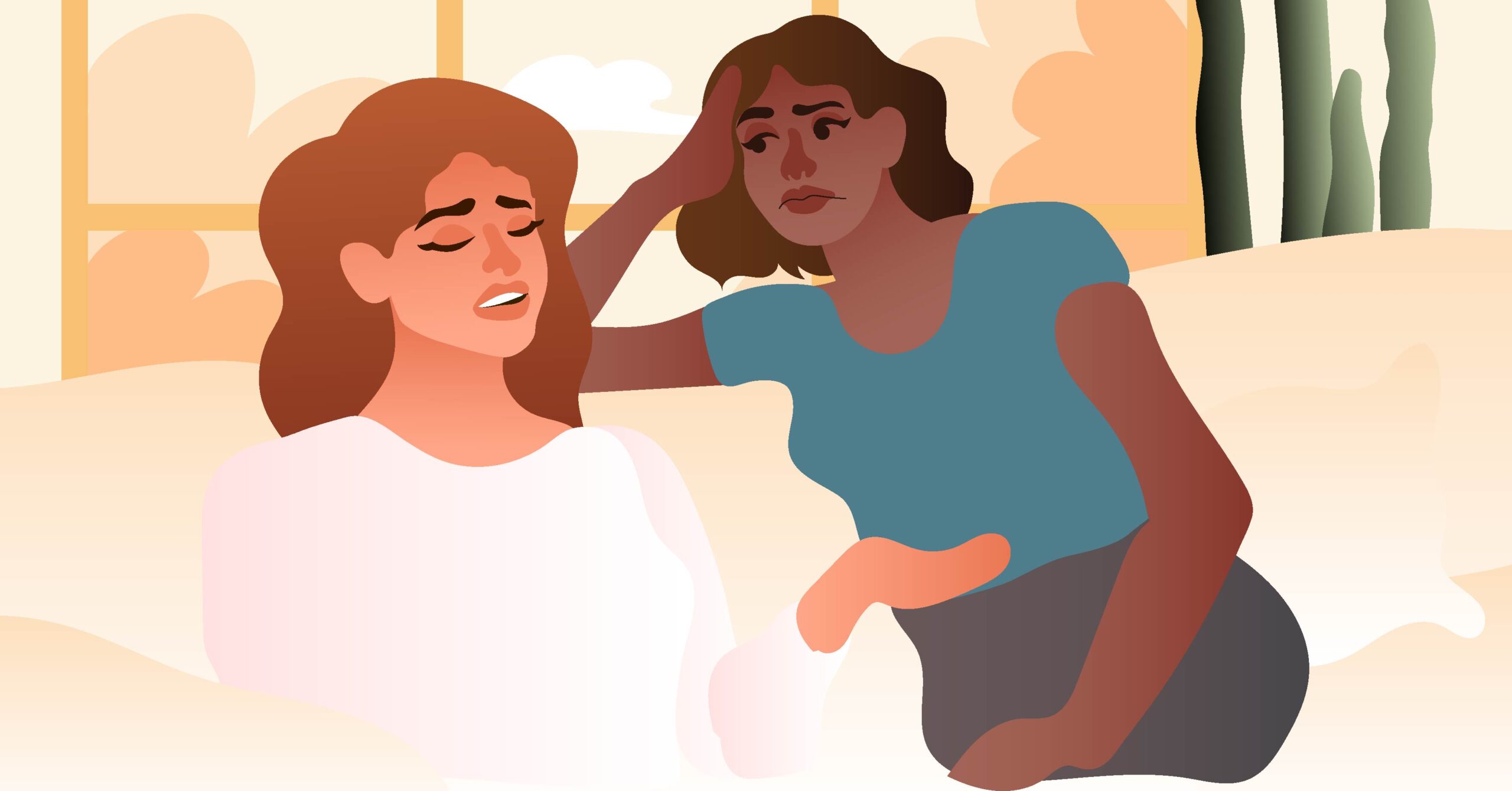
Sometimes, the best way to work through past traumas and challenges is by getting an outside perspective. Talking to a therapist can help, as they use tried-and-tested methods to guide you in understanding the behaviors and patterns you’re dealing with.


4Start making small, gradual changes.

While you’re reflecting or working with a therapist, try making small, gradual changes that can help you become more emotionally available. If you’re not currently dating anyone, start by opening up to a trusted friend or family member. Have a vulnerable conversation, even if it feels uncomfortable at first. You can also try journaling your emotions; writing things down can be a powerful first step in letting things out.
If you’re in a relationship, start practicing emotional openness in small ways. Share how you’re feeling at the moment or when your partner brings something up that bothers them, ask questions and express your thoughts with care. And if they’re going through something, offer support, not necessarily by fixing it, but by simply being present.
Takeaway
Contrary to popular belief, being emotionally unavailable doesn’t make someone a bad person. Often, it stems from unresolved pain, past trauma, or difficult life experiences that have shaped the way they connect with others. So, if you’ve come to realize that you might be emotionally unavailable, know this: You can heal.
But healing begins with accountability. That might mean stepping back from dating for a while, being honest with those you’ve hurt, or having a vulnerable conversation with your current partner.
The truth is, no one is emotionally available 100% of the time. We’re human. Life throws things at us that can make us pull back. What matters is that you’re willing to recognize those moments and still show up with intention and care. If you’re trying, learning, and growing, then you’re already moving toward a healthier, more connected relationship with others and with yourself.