Independence is often seen as a valuable trait. It encourages personal growth and allows you to handle challenges effectively. However, like many things, too much of it can become harmful. When independence turns into hyper-independence, it may start to negatively impact your well-being and relationships over time.
So, how can you tell the difference between someone capable and someone who may be struggling with hyper-independence? In this guide, we’ll explore some of the common signs of hyper-independence and share its connection to trauma.
What is Hyper-Independence?

As defined by the Newport Institute, hyper-independence is “an unwavering insistence on autonomy.” People who struggle with hyper-independence go beyond simply being efficient or self-reliant. They refuse to delegate tasks or ask for help, even when they’re drowning in unending tasks and issues. Instead of reaching out, they often choose to push themselves to the brink rather than accept support.
As of now, hyper-independence is not classified as a mental health condition. However, experts often view it as a trauma response— we’ll explore it further in the following sections.
Common Symptoms of Hyper-Independence
While every hyper-independent person has their distinct traits, some common signs can help you reflect on whether you might have hyper-independence tendencies:
1Difficulty Asking for Help
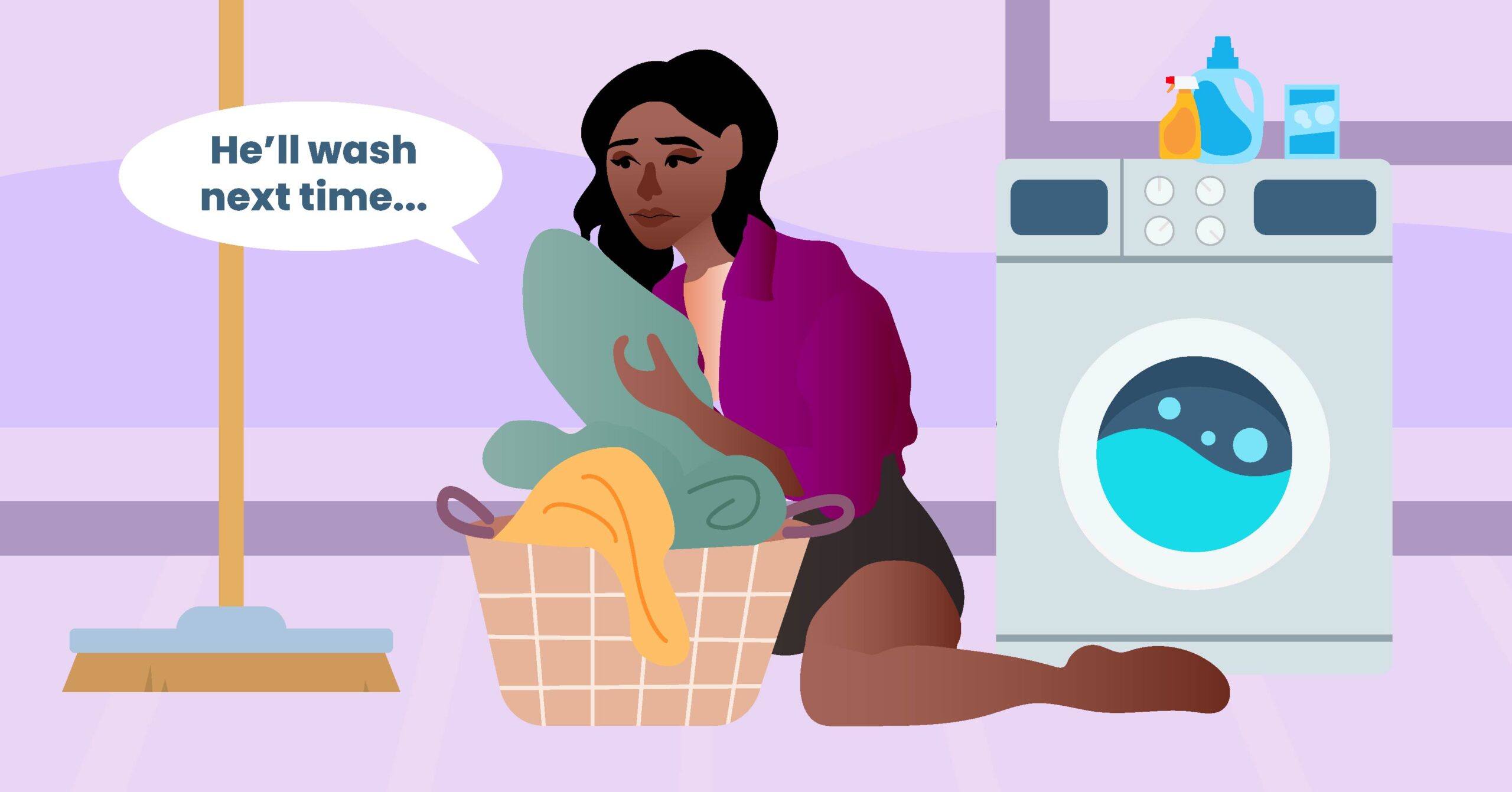
If there’s one trait that nearly all hyper-independent people share, it’s this: they rarely ask for help. Even when they’re overwhelmed with responsibilities, they continue to believe they can—and should—handle everything on their own. They often take pride in being self-sufficient, so when the need for assistance arises, it can feel like failure or weakness, triggering feelings of shame or inadequacy.
Aside from believing they’re the only ones who can do the job well, people with hyper-independence often struggle to ask for help due to a deep-rooted mistrust of others. In many cases, this mistrust stems from past experiences of being let down by those they depended on most, such as parents or relatives who neglected them during critical moments in their lives.
Because of those prior experiences, they develop the belief that they can’t truly rely on anyone. Even when someone does offer help, they may find themselves constantly monitoring or second-guessing that person, convinced that disappointment is inevitable.
 Sold Out
 Hot
Hot





2Compulsive Overcommitment & Perfectionism

Many hyper-independent individuals often take on too much, driven by the belief that they should be the ones doing it all, as mentioned in the previous symptom.
Not only that, but some hyper-independent individuals have perfectionistic tendencies, striving to excel in their chosen field. This is often because their sense of self-worth is tied to their productivity and performance, leading them to believe that doing things “right” and flawlessly is the only way to feel valuable.
3Struggles with Vulnerability

Hyper-independent individuals tend to struggle with expressing emotions or showing vulnerability. Opening up about their struggles feels like admitting dependence on someone else. That’s why many hyper-independent people find it difficult to maintain long-term relationships, as their inability to fully communicate and connect emotionally can weaken the bond over time.
4Secretive or Guarded Behavior

Because they want to appear like they have everything under control, hyper-independent individuals often come across as secretive. They may avoid sharing personal struggles out of fear that this information could be used against them.





5High-Functioning Anxiety

Many people with hyper-independence also experience high-functioning anxiety. On the outside, they appear successful, composed, and capable. But internally, they struggle with constant pressure, self-doubt, and overthinking. Because they rarely voice their struggles, others often assume they’re mentally fine and simply efficient, but there’s actually a deep mental and emotional toll lurking inside of them.
These individuals may be mentally drained, plagued by racing thoughts, people-pleasing tendencies, nervous habits, and poor sleep. They’re often overwhelmed by fears about the future and struggle to enjoy the present moment. Even during times of rest, their minds are fixated on responsibilities, fearing that one mistake could derail their success.
Why Hyper-Independence Is Rooted in Trauma
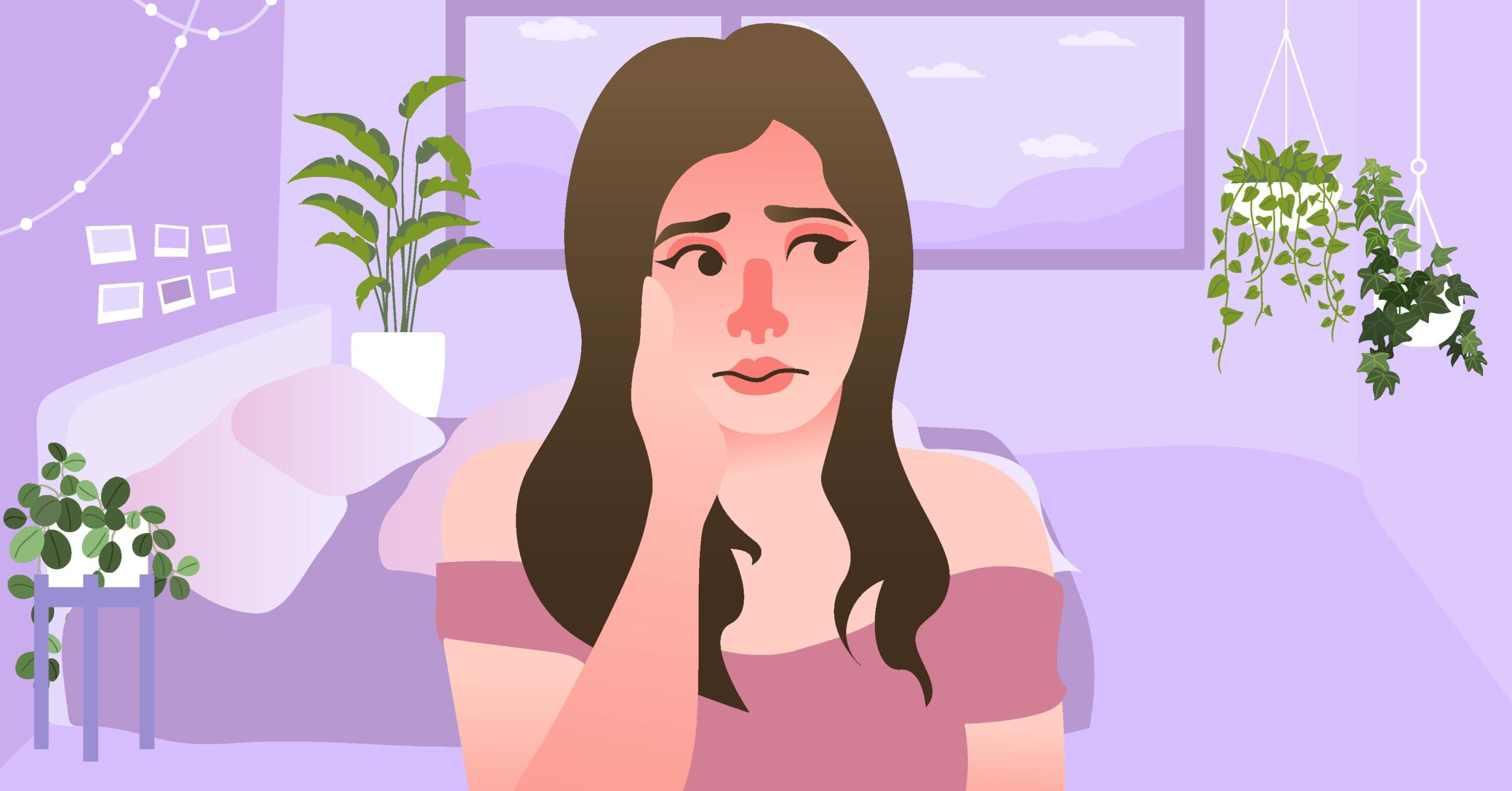
Hyper-independence is often seen as a trauma response, a way of coping with past experiences of neglect, betrayal, or emotional abandonment.
Many hyper-independent people were once children, partners, or employees who endured toxic environments that caused deep emotional pain. In those moments, they learned that the people they relied on most could not be trusted to show up for them.
Over time, rather than risk feeling that pain again, they chose self-reliance to the extreme. They stopped asking for help, not out of strength, but out of survival.
It’s like they were once hopeful candles, only to have their light extinguished when they needed it most. So when they finally managed to reignite that flame, they vowed never to depend on anyone else for warmth. Even if it meant burning themselves out in the process, it felt safer than risking the cold emptiness of being let down again.
Now, some of you might be thinking, “Why not just stop helping everyone else and start focusing on yourself?” or “Can’t you just stop trying to handle everything on your own?”
But here’s the thing… When someone experiences trauma, the brain activates a built-in defense mechanism to protect them from further harm. In that moment, hyper-independence becomes a means of staying safe. Even long after the traumatic event has passed, the brain holds onto that survival pattern, just in case it’s needed again.
It’s not that hyper-independent people don’t want to rest or accept help. It’s that their mind has been wired not to. To them, letting go of control can feel dangerous, even if their body and heart are begging for relief.
Now, like any trauma response, hyper-independence can be unlearned—but only once it’s acknowledged as a pattern that no longer protects but limits and harms them.
Possible Effects of Hyper-Independence
If hyper-independent people continue down the path of toxic self-reliance, they may face serious emotional and mental consequences such as the following:
1Depression

When someone is constantly overwhelmed with responsibilities, stuck in relationships where they can’t share their struggles, and pressured to keep up appearances, it can gradually lead to depression.
This often happens when they don’t receive the support they need—because they’ve never felt safe enough to express their struggles. And if their self-worth is tied to productivity or how much they can handle, falling behind can feel like failure. That fear of not being enough can weigh heavily, eventually turning into deep emotional exhaustion.
2Social Isolation

Because hyper-independent people often keep others at a distance, they may struggle to form deep or lasting friendships and relationships. Their guarded behavior can create emotional walls that make it hard for others to truly connect with them.
At times, they may say or do things that reveal their underlying mistrust—often unintentionally. But this can come across as harmful or offensive to those around them, which can strain relationships and increase feelings of isolation.
3Chronic Stress and Burnout

Since hyper-independent individuals tend to overcommit and continually take on more than they can handle, they often end up trapped in a cycle of chronic stress and burnout. Over time, this constant pressure can take a toll on both the physical and emotional aspects of one’s life. They may experience body aches, brain fog, sleep disturbances like insomnia, changes in appetite, persistent fatigue, irritability, and emotional withdrawal.
4Substance Use or Abuse

In some cases, hyper-independent individuals may turn to substances like alcohol or recreational drugs as a way to cope with the constant pressure of their daily lives. While it might offer temporary relief, it often leads to more issues in the long run.
5Thoughts of Self-Harm or Harming Others

At its most severe, hyper-independence can contribute to suicidal ideation or even thoughts of harming others—particularly those who depend on them. When someone is stretched far beyond their emotional limits, even small inconveniences from a friend, partner, or child can trigger an intense response. The combination of unprocessed trauma, chronic stress, and emotional isolation can eventually lead to a breaking point.
Ways to Work on Hyper-Independence
If you’re constantly living on the edge because of hyper-independence, know that it’s not too late to change. Healing is absolutely possible—even if it takes time, patience, and a shift in mindset. Here are a few ways to begin the healing process:
1Seek therapeutic help.

One of the most effective ways to work through hyper-independence is with the support of a therapist or counselor. These professionals can help you explore the root causes of your behavior and guide you through the process of shifting your perspective. Depending on your needs, you might consider Trauma-Focused Cognitive Behavioral Therapy (TF-CBT) or Eye Movement Desensitization and Reprocessing (EMDR) therapy—both of which are designed to address trauma-based responses.
If you’re looking for a gentler starting point, talk therapy or group therapy can also be powerful tools for support. Remember, simply showing up and acknowledging the pattern is already a big step toward healing.

 Only 2 left
2Practice consistent self-care.

As you begin to shift your mindset, it’s just as important to start fully caring for yourself—mind, body, and spirit.
Make space to rest. Step outside, disconnect from your phone and allow yourself moments free from the pressure to be “on” or productive. Prioritize sleep, eat nourishing meals, engage in movement that feels good, and reconnect with hobbies or creative outlets that bring you joy. Do something fun simply for the sake of enjoyment. Self-pleasure, whether through touch or tools like love toys, is also a powerful way to reconnect with your body and personal needs.
The more you consistently care for yourself, the more your mind and body can begin to heal from the chronic stress caused by hyper-independence.



3Accept support from loved ones.
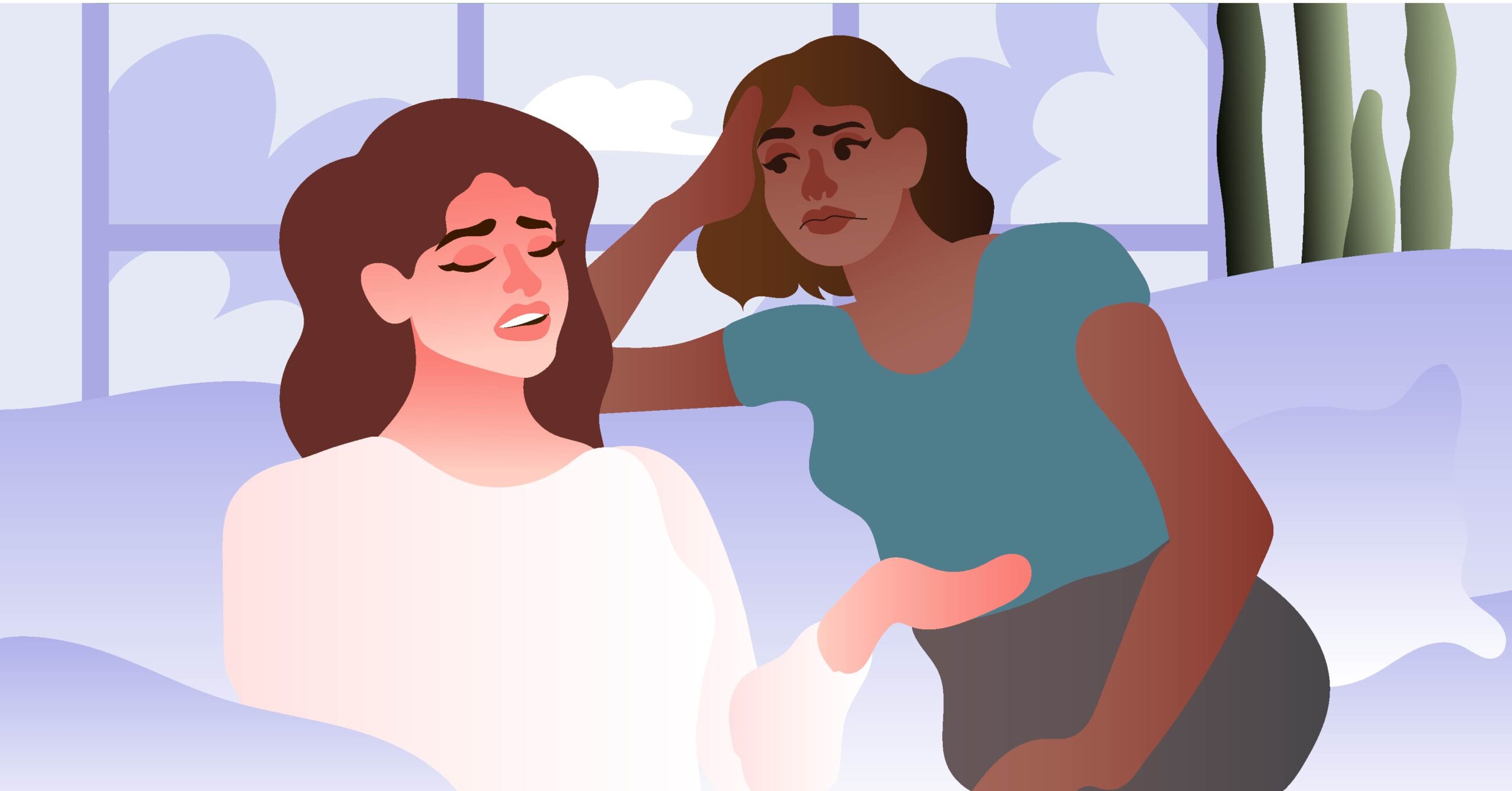
Asking for help isn’t easy for someone with hyper-independence, but it’s a crucial part of the healing process.
You can start small, such as asking your partner to pick up the food delivery at the gate instead of doing it yourself or seeking a coworker’s input on a task. These little moments of leaning on others can gradually help shift your mindset.
As people show up for you, you begin to see that asking for help doesn’t make you weak—it makes you human. Over time, this practice can also help rebuild trust and ease the deep-rooted belief that others will inevitably let you down.
Takeaway
For those struggling with hyper-independence, we want to leave you with this reminder: asking for help or opening up to loved ones is not a sign of weakness. It’s an act of courage. Allowing yourself to be seen and supported can make you even more resilient and, ultimately, more effective in all that you do.
You deserve a life that isn’t defined by constant anxiety, overwhelm, or stress. While it’s true that some people in your past may have let you down, there are lots of people who are trustworthy, kind, and capable of walking beside you. Let them in… You don’t have to carry everything on your own.