
Despite the immense effort that sex educators, sexual health organizations, and sexual wellness companies make to debunk sex toy myths, there are still some misconceptions being spread ‘to this day.
Some people might think it’s not that serious, but they don’t realize how some of these myths perpetuate harmful ideas about sex, pleasure, and our bodies. That’s why, in this guide, we’ll be discussing and debunking the following claims:
1Myth: “Sex toys can work as replacements for partners.”

One of the common reasons people in relationships don’t purchase love toys even though they want to is because they don’t want to offend their partners. It’s due to the notion that sex is only meant for single people.
Sex toys are meant to be a supplement, not a replacement. It can even reduce the “workload” during the deed, making the couple focus less on orgasming and more on being connected. There are also people dealing with physical conditions that make it difficult to achieve certain sexual acts, which are resolved by sex toys.
And even though your partner is around, you can still use those toys and masturbate! Contrary to popular belief, it’s okay to masturbate even if you’re in a relationship. There are some days when you might not be in the mood for the whole sex thing and want a quick get-off sesh. As long as you’re not masturbating excessively to the point that you’re no longer being intimate with your partner, then you’ve got nothing to worry about.
 Sold Out
 Hot
Hot



2Myth: “Using sex toys can be addictive.”
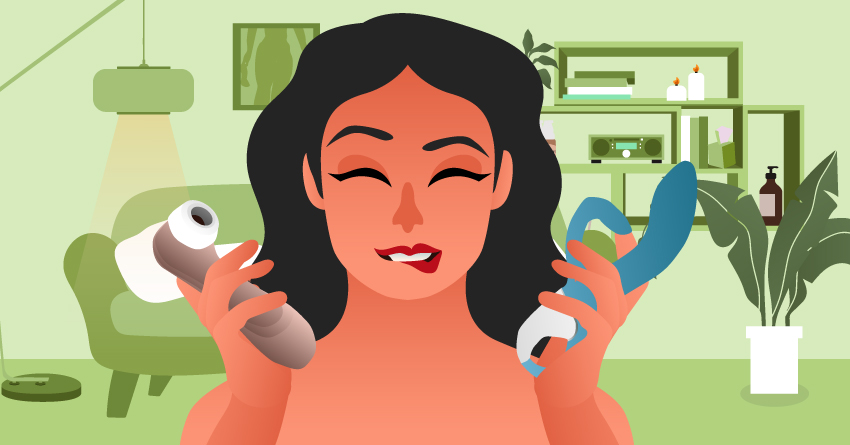
Another popular myth about sex toys is that using them can get you hooked, just like that one episode in Sex and the City where Charlotte ended up being “addicted” to her rabbit vibrator that her friends end up with an “intervention” and stop her from buzzing her life away.
While sex toys can feel incredibly good, this doesn’t necessarily result in addiction. You might get used to it and rely on it for orgasm, but it’s not necessarily addiction but more of picking up the habit of using your toys for orgasm. You can easily stop this habitual play by temporarily avoiding using your toys and exploring other ways to please yourself.
However, there are extremely rare cases where a person might get obsessed with it and compulsively use it to the point that they neglect important aspects of their life like their relationships, work, or daily responsibilities. If you or someone you know is going through this, please seek help from a therapist.

3Myth: “Vibrators can cause permanent nerve damage in your genitals.”

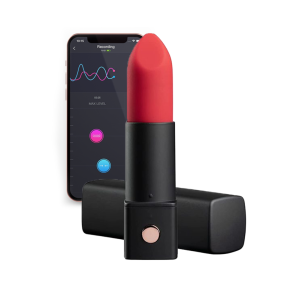
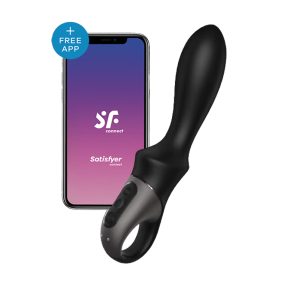
Because of purity culture, people are often uncomfortable with the idea of women experiencing and enjoying pleasure, which is why myths like this exist. They believe that vibrators can permanently numb the vulva, which then leads to difficulty or inability to orgasm.
This is pure BS, as lots of medical professionals have already clarified that vibrators won’t damage your genitals. According to this Healthline article, which interviewed Dr. Carolyn DeLucia, FACOG, “There should be no problem or numbness from vibrators that operate at a really high vibrator pattern or intensity.”
The same article also mentioned that even though there’s a possibility of numbness after using a vibrator, it’s normal to feel this way, especially after using it for quite some time. All your body needs to do is rest, and your genitals will regain their sensitivity again.
4Myth: “Sex toys will instantly fix all your sex-related issues.”

Though sex toys can provide you with tons of benefits such as better sleep quality, improved understanding of your body, and lower stress levels, using love toys can’t just magically change your current sex-related issues such as repressed sexual desires, sex-related trauma, vaginismus, and other related conditions. It’s still better to talk to a medical professional to address these issues.


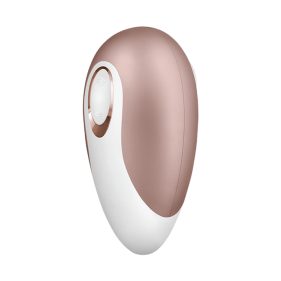
5Myth: “Anything can be a sex toy if you’re brave enough.”

While it’s true that some household items can work as pleasure devices, not all household objects are safe for intimate use.
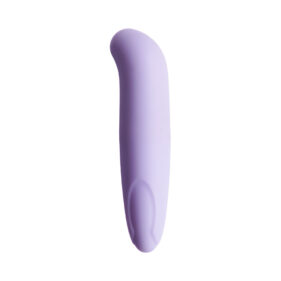
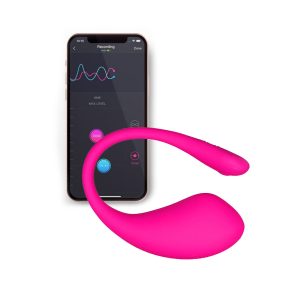
Sex toys are made from body-safe materials like medical-grade silicone, borosilicate glass, and stainless steel. These materials are non-porous, easy to clean, and gentle on sensitive areas. Sex toy brands also ensure their products are ergonomically shaped and tested for safe genital stimulation.
So, while DIY options might work when you’re short on cash or in a space where toys aren’t allowed, they’re not a recommended long-term solution.
Takeaway
Sex toy myths may come and go, but one thing’s for sure: the health benefits and pleasure you’ll feel with love toys are here to stay.
Please consider helping spread the word by debunking the sex toy misconceptions you might hear from your partner, friend, or even that one random commenter on social media. The more we work together to break down the stigma around sex toys and sex in general, the more people will have access to proper sex education and the tools we all need to be healthier and more confident.