
Disclaimer: This article about probiotics for vaginal health is for educational purposes only and is not intended as medical advice. Probiotics may support vaginal health, but individual results can vary. Always consult a licensed healthcare professional before starting any new supplement, especially if you have existing health conditions, are pregnant, breastfeeding, or are taking medications. This article also does not replace professional medical guidance or treatment.
When you think of probiotics, we may automatically think of our tummy. Usually as a good thing, especially if you grew up watching Yakult ads on tv and drank it too to improve digestion. And well, relish in its sweet yogurt taste.
But aside from them being healthy for your gut, it can also be advantageous to your vaginal health. The good bacteria probiotics provide can enhance the status of your own vaginal flora. If you want to know more about their correlation, let’s learn more about it through this guide here.
What You’ll Learn
- What probiotics do
- How they support vaginal health
- Considerations before use
- Foods and supplements rich in probiotics
But First, What Are Probiotics?
Probiotics are live microorganisms (bacteria and yeasts) that provide health benefits when consumed. They’re often referred to as “good” or “friendly” bacteria. It’s widely linked to your digestive tract, improving how things run there. But it just might extend to the vagina, wherein it’s filled with those very microorganisms to ensure no harmful bacteria meddles with the balance.
Healthline shares that the microbe Lactobacillus acidophilus, alongside Lactobacillus rhamnosus and Lactobacillus reuteri, has been researched generously and linked to a healthy vaginal balance. They stick around vaginal surfaces to hinder harmful bacteria from fully taking over. GoodRX cites Lactobacillus crispatus, Lactobacillus jensenii, and Lactobacillus gasseri as more strains to look out for. Taking supplements or foods rich in it can also improve its health, but we’ll get more in-depth with that later.
 Sold Out



 Hot
Hot
Benefits of Probiotics for Vaginal Health
Key word here is balance. Uncover the potential good aspects of taking such probiotics down below.
1 They help restore and maintain the vaginal microbiome.
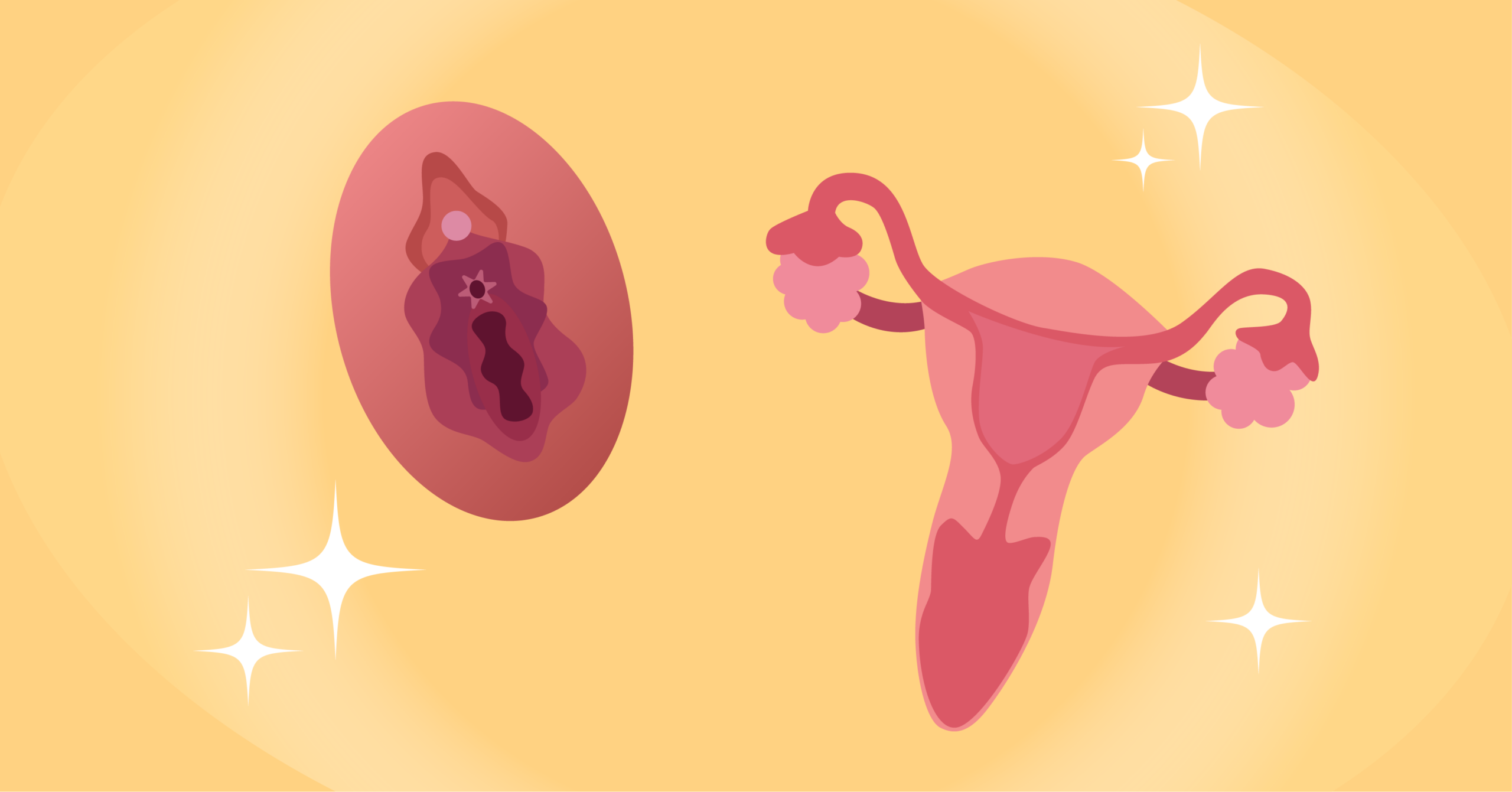
The vagina hosts a delicate balance of bacteria, with Lactobacillus species being predominant. This study states how these beneficial bacteria produce lactic acid, maintaining an acidic pH that inhibits the growth of harmful microorganisms. In turn, it’s essential for overall well-being. Moreover, probiotics help replenish and sustain this beneficial bacterial population, ensuring a healthy vaginal environment.
2 They prevent bacterial vaginosis (BV).
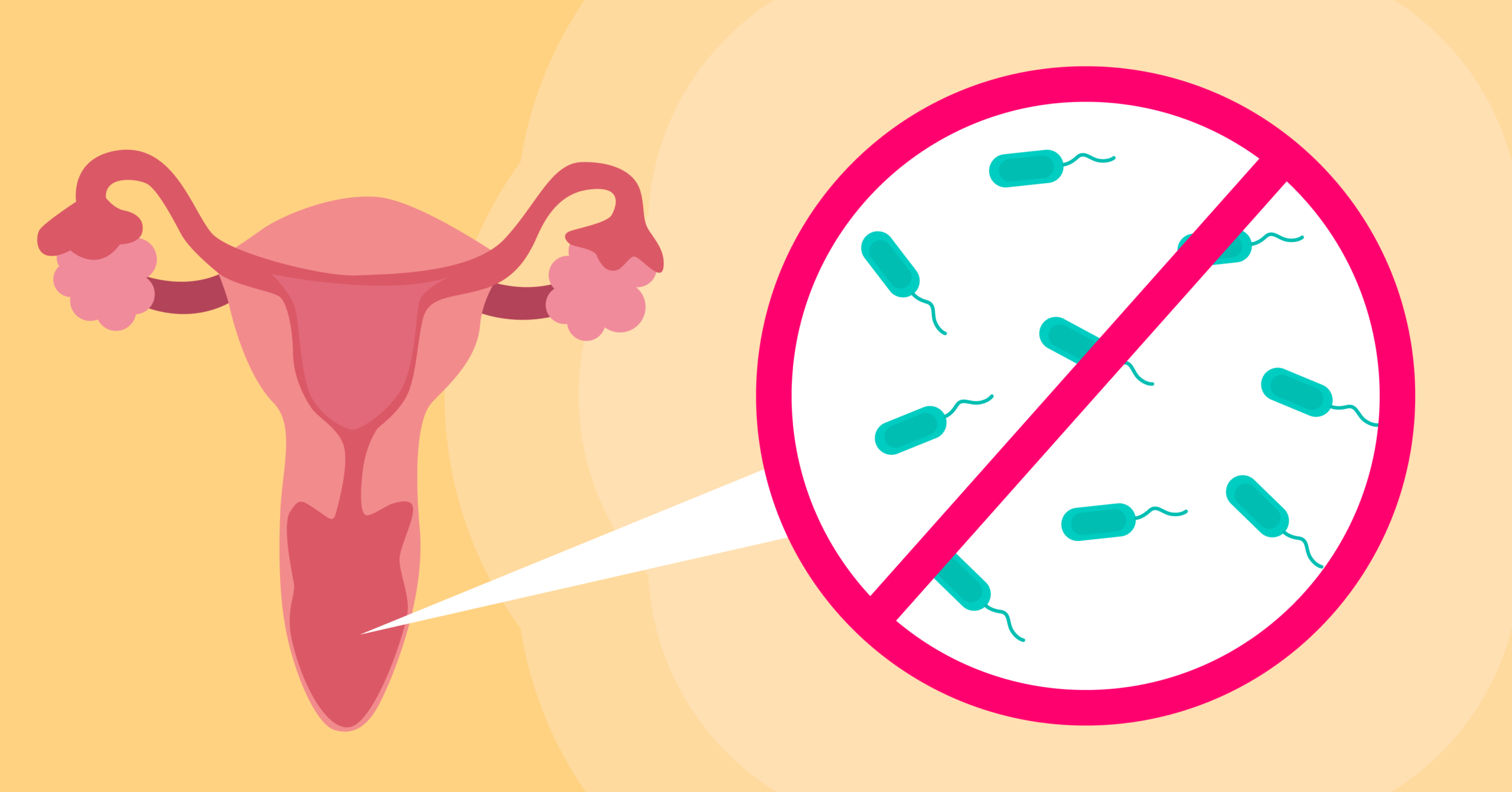
Bacterial vaginosis occurs when the balance of bacteria in the vagina is disrupted, wherein there are more harmful bacteria present over the good ones. Taking probiotics, especially Lactobacillus strains, can help restore this balance.
3 They reduce the risk of yeast infections.
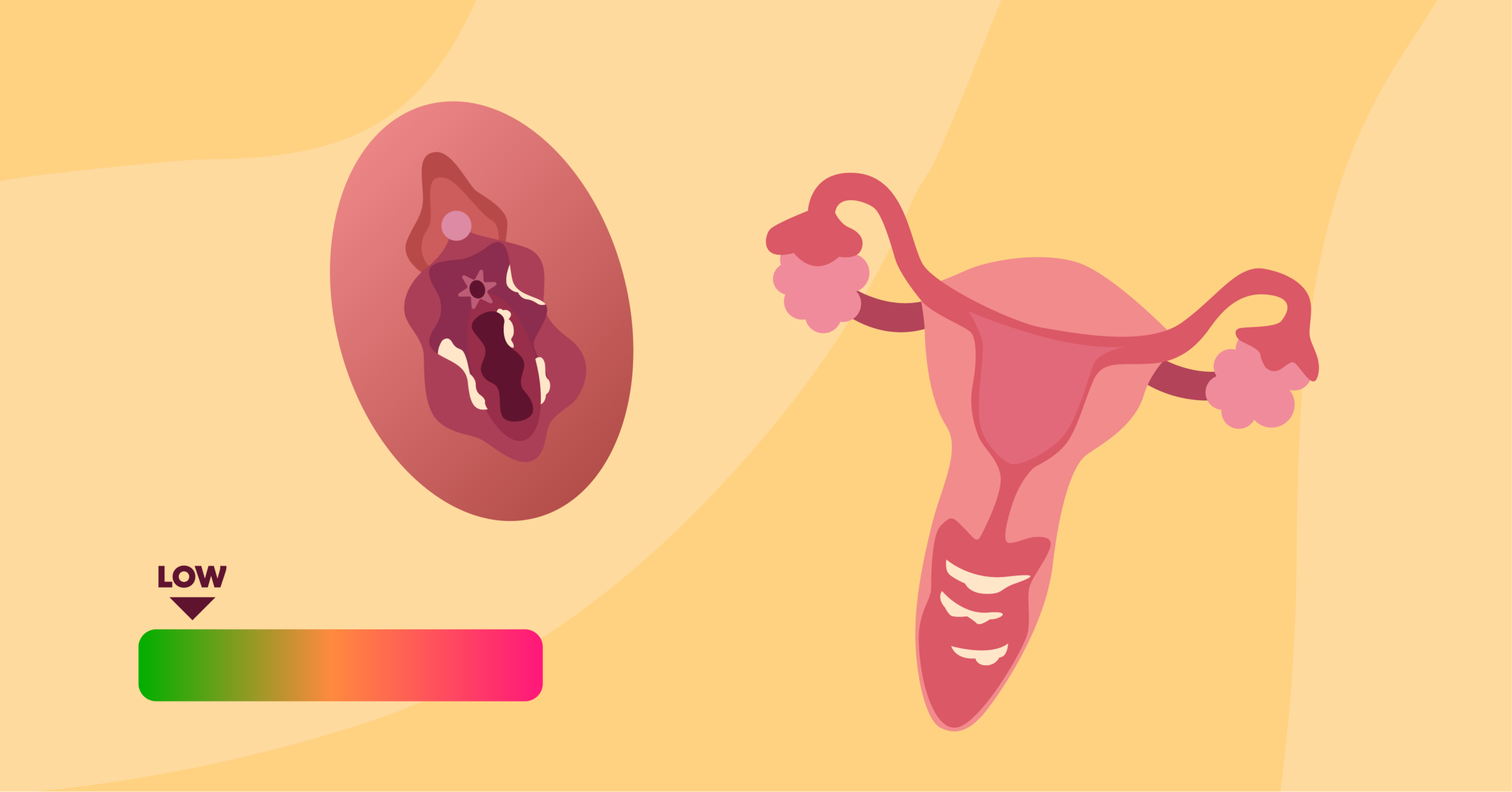
An overgrowth of Candida, a type of yeast, can lead to infections characterized by itching, burning, and cottage cheese-like discharge. Cleveland Clinic shares that probiotics can help maintain the balance between bacteria and yeast in the vagina, reducing the likelihood of such infections.
4 They aid in easing menopausal symptoms.

During menopause, declining estrogen levels can lead to vaginal dryness and discomfort. Evvy shares that probiotics may help alleviate these symptoms by supporting the vaginal flora and maintaining moisture levels (no itching, dryness, and infections here!).
5 They boost your immunity and gut health.
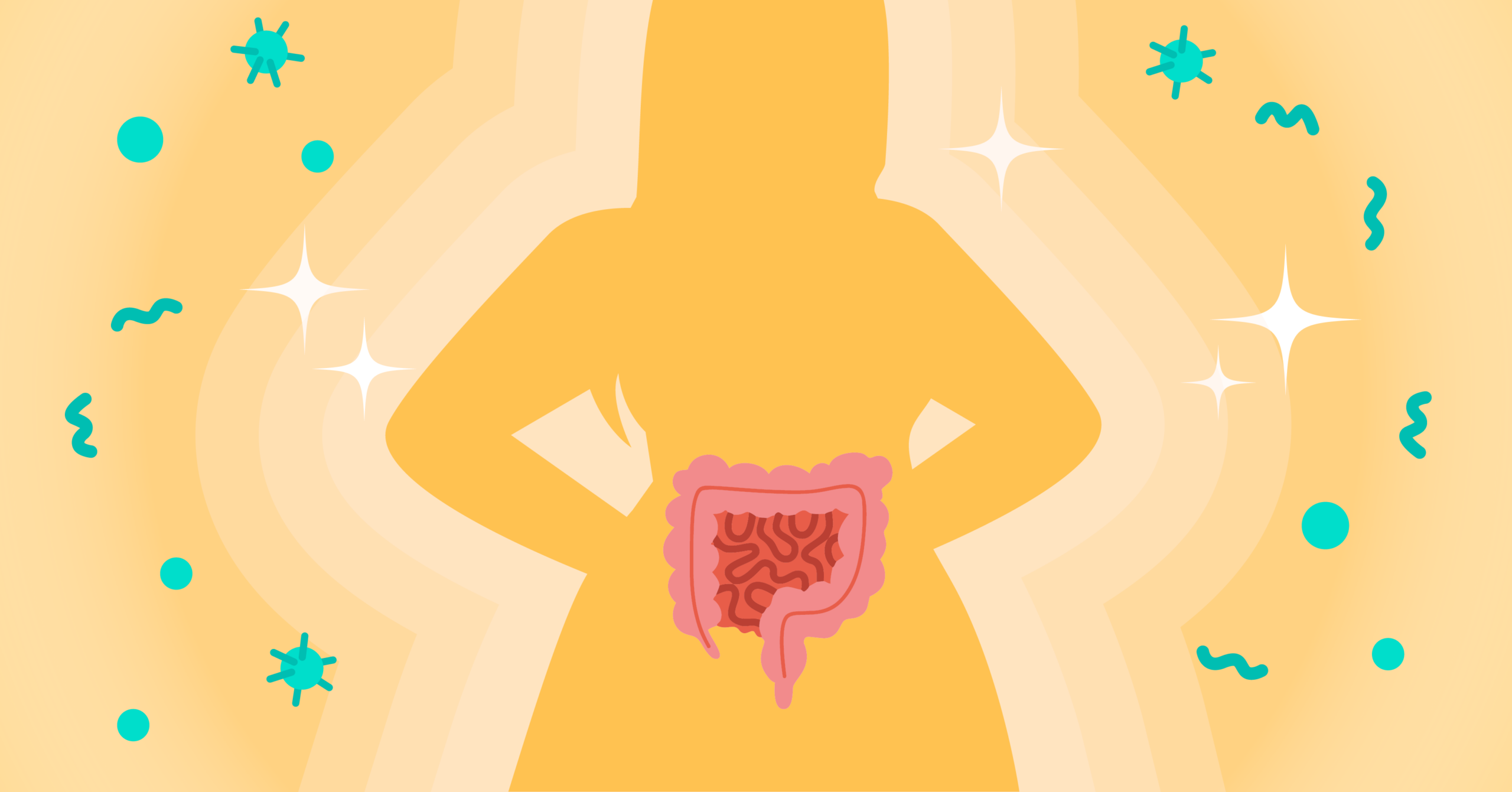
Probiotics keep your gut microbiome intact, which plays a strong part since a large part of your immune system is in the gut. In turn, they contribute to overall immune health by enhancing the body’s natural defense mechanisms. Moreover, the gut and vaginal microbiomes are interconnected. Maintaining a healthy gut flora with probiotics can indirectly benefit vaginal health by supporting the body’s overall microbial balance.
Limitations and Considerations
While probiotics offer numerous benefits, it’s important to acknowledge certain limitations:
- Menstrual Cycle and Sexual Activity: Factors like menstruation and unprotected sex can disrupt the vaginal microbiome, potentially leading to imbalances.
- Consultation with Healthcare Professionals: Given these variables, consulting with a healthcare provider is vital before starting any probiotic regimen to ensure suitability and safety.




Sources of Probiotics for Vaginal Health
Browse through this section to figure out your options for ingesting probiotics.
1 Supplements
Probiotic supplements are marketed as pills (oral or vaginal) to increase the growth of healthy bacteria in your vagina. Just like how others ingest probiotic pills to improve their gut health. Do keep in mind that such supplements aren’t FDA-approved, so proceed with caution.
WebMD cites the following as harmful effects one may face: infections, unlisted ingredients, and unsafe substances made by probiotic microorganisms. On top of this, there’s still a strong need for more research to verify its safety and benefits.
2 Food
Food rich in probiotics is still a recommended way to get your fill of these beneficial bacteria. Examples of such are kefir, sauerkraut, yogurt, and kimchi. Think of gut health here, as these foods will benefit it too, increasing your immunity.
Consulting With a Doctor
If you want more professional advice on improving your vaginal health or want to get started on such probiotics, seeing a doctor is essential. You can even get their professional opinions on those supplements (if applicable) to see if they’re really of help, or if there are better alternatives you can take. Before jumping in on your own, consulting with a medical professional may help prevent any health risks from affecting you.
Takeaway
Taking probiotics (or food rich in them) for vaginal health has mostly maintained a good balance in the microbiome. Having more good bacteria than bad can significantly maintain your vaginal health and prevent discomfort from affecting your lifestyle. But definitely, more research is needed to confirm its validity in keeping the vagina in good shape. Consulting with a doctor can provide you with better-informed insight and direction towards better vaginal health.
For more health-related guides like this one, head over to the Lauvblog here.