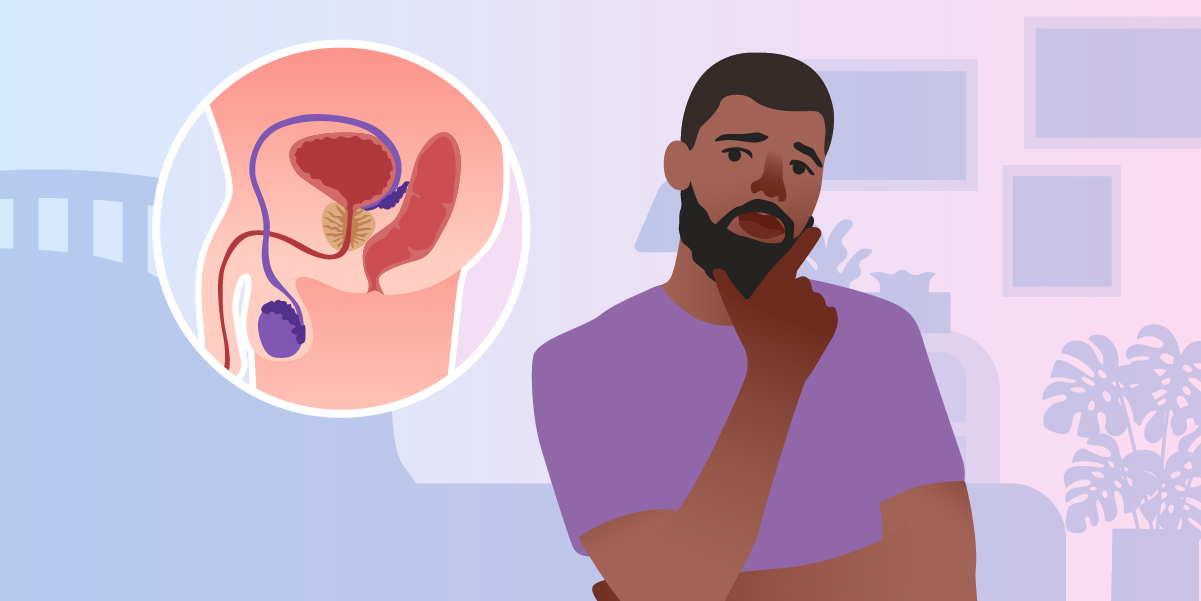
When it comes to male pleasure, the penis often takes center stage. However, other erogenous zones deserve attention as well, such as the prostate gland. Stimulating it may feel unconventional for some men, but it can offer a type of pleasure that penile stimulation can’t provide.
If you’re completely new to prostate play, it’s normal to feel a bit overwhelmed and even nervous, but don’t worry! Our guide covers everything you need to know about this underrated pleasure zone.
What You’ll Learn
- What the Prostate Is
- How to Explore Prostate Play and Achieve P-Spot Orgasms
- Signs of an Unhealthy Prostate
- How to Care for Your Prostate
Understanding the Prostate Gland
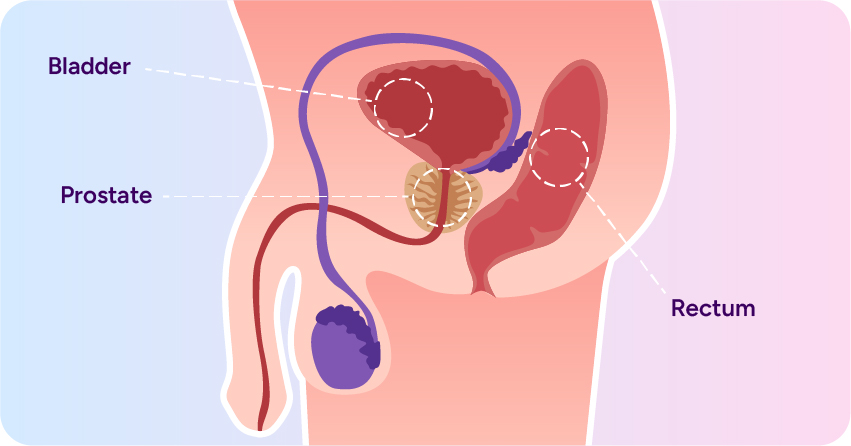
It can be tempting to head straight into action, but fingering your anus without knowing where the prostate is and how to handle the area properly may cause more harm than pleasure. So before we start pushing fingers, it’s best to know the basics first.
What Is the Prostate?
The prostate gland, or commonly referred as prostate, is a chestnut-sized gland that’s surrounded by smooth muscle fibers and elastic connective tissue, making it firm and elastic when touched. Weighing around 30 grams, it’s considered the largest accessory gland in the male reproductive system.
It’s divided into five lobes or sections:
- Anterior Lobe – It’s positioned in front of the urethra and is made entirely of fibromuscular tissue.
- Median Lobe – It’s a cone-shaped lobe found between the ejaculatory ducts and the urethra.
- Lateral Lobes (Left and Right) – These lobes make up most of the gland and are separated by the prostatic urethra.
- Posterior Lobe – This is the postero-medial part of the lateral lobes that can be felt through the rectum during a digital rectal exam (DRE).
Where Is It Located?
The prostate is positioned below the bladder and above the pelvic floor muscles, sitting just in front of the ampulla of the rectum (the widened upper part of the rectum).
If you want to feel it, there are two ways to do so:
- Indirect stimulation (perineum)
- Direct stimulation (anal fingering)
For the first method, you’ll need to locate the perineum or taint, which is the area of skin between the scrotum and the anus.
Using your index or middle finger, apply gentle pressure to the center of the perineum. You might experience some pleasurable sensitivity as you apply more pressure to the area, though it may not be as intense as with the second method.
As for the second method, start by applying water-based or silicone-based lube to your index or middle finger, then gently insert it into your anus about two inches, or roughly two knuckles deep. Once inside, curl your finger upward toward your body and look for a soft, rubbery area. Applying light pressure may trigger a sensitive sensation that can feel surprisingly pleasurable.
What Does It Do?
Though it’s mostly known for pleasure, the main job of the prostate is to release proteolytic enzymes into semen. It contains zinc, citric acid, and other components that help nourish sperm cells and lubricate the urethra, making it easier for sperm to travel through the female reproductive tract during intercourse.
The prostate’s muscles also play a role in pushing semen through the urethra during orgasm.


 Hot
Hot
Exploring Prostate Play
After learning the basics, it’s time for the part you’re probably most excited about. We recommend having lubricant on hand and setting aside enough time for exploration, should you choose to try the techniques we’ll be sharing, or keep them in mind for your next solo play.
Why the Prostate Gland Is Called the “Male G-Spot”
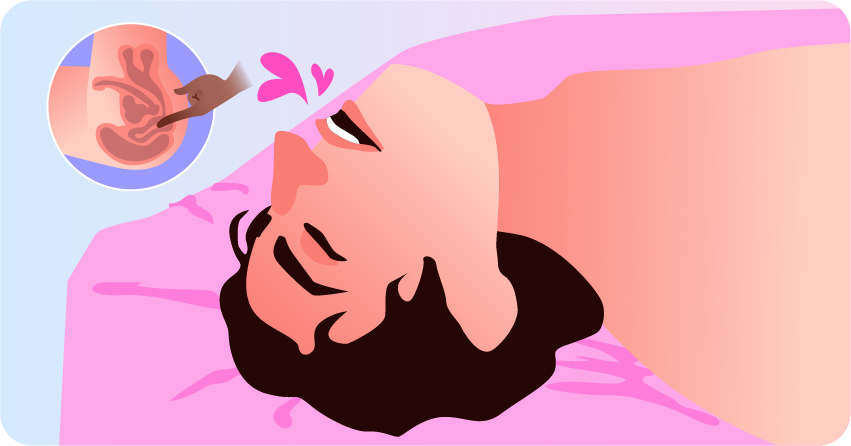
For those wondering how the prostate earned the “Male G-Spot” or “P-Spot” title, there isn’t actually any single, concrete study explaining why this area can feel so pleasurable. However, some research has explored the topic, including a 2017 review that suggested two possible reasons.
The first theory is that orgasmic sensations come from the prostatic plexus nerves connected to the prostate.
The second theory involves the brain, suggesting that the more a person focuses on prostate stimulation, the more pleasurable it can feel.
Another reason the prostate is often compared to the G-spot is that it’s unique to the male reproductive system. This is why anal stimulation tends to be more pleasurable for people with penises than for those with vaginas.
And like the G-spot, it can also feel a bit elusive, as you usually need to insert your fingers to locate and feel it properly.
Prostate Play Techniques
Ready for the good stuff? Below are some techniques you can try for prostate play. We suggest starting with your fingers, and once you’re more experienced, you can explore using an anal probe or anal dildo for spicier play.
1Classic Rub
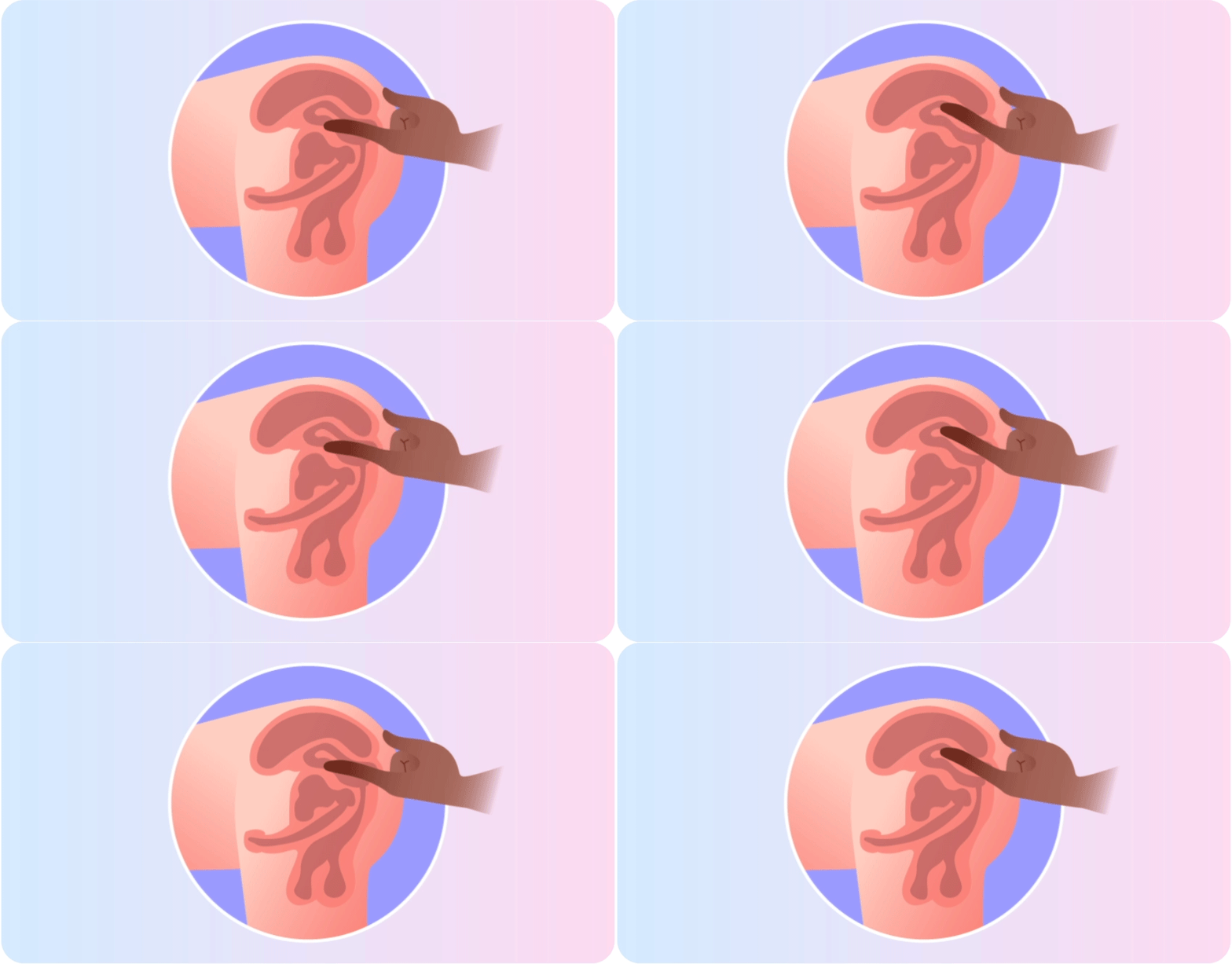
Insert your index or middle finger into your anus and gently feel for the prostate. Once you’ve located it, keep the finger straight, then lightly rub the area in different directions. You can do up-and-down, side-to-side, or in small circular motions. Just make sure your finger stays on the gland for consistent stimulation.
2Come Hither
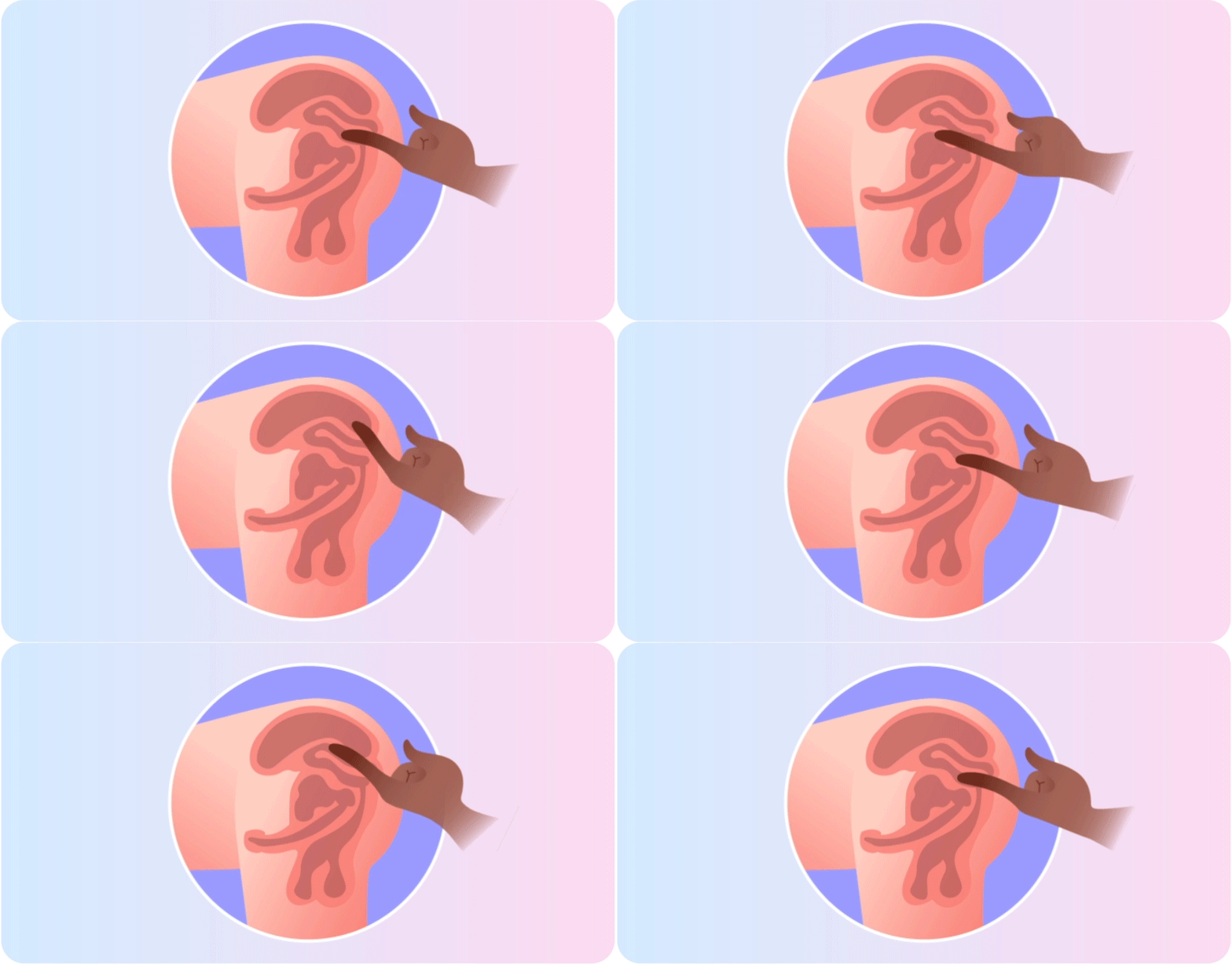
Probably the most commonly suggested technique, this involves curling your inserted finger upward and making a gentle “come here” motion, similar to how you’d signal someone to move closer. Keep gentle pressure on the prostate with the tip of your finger.
3Doorbell
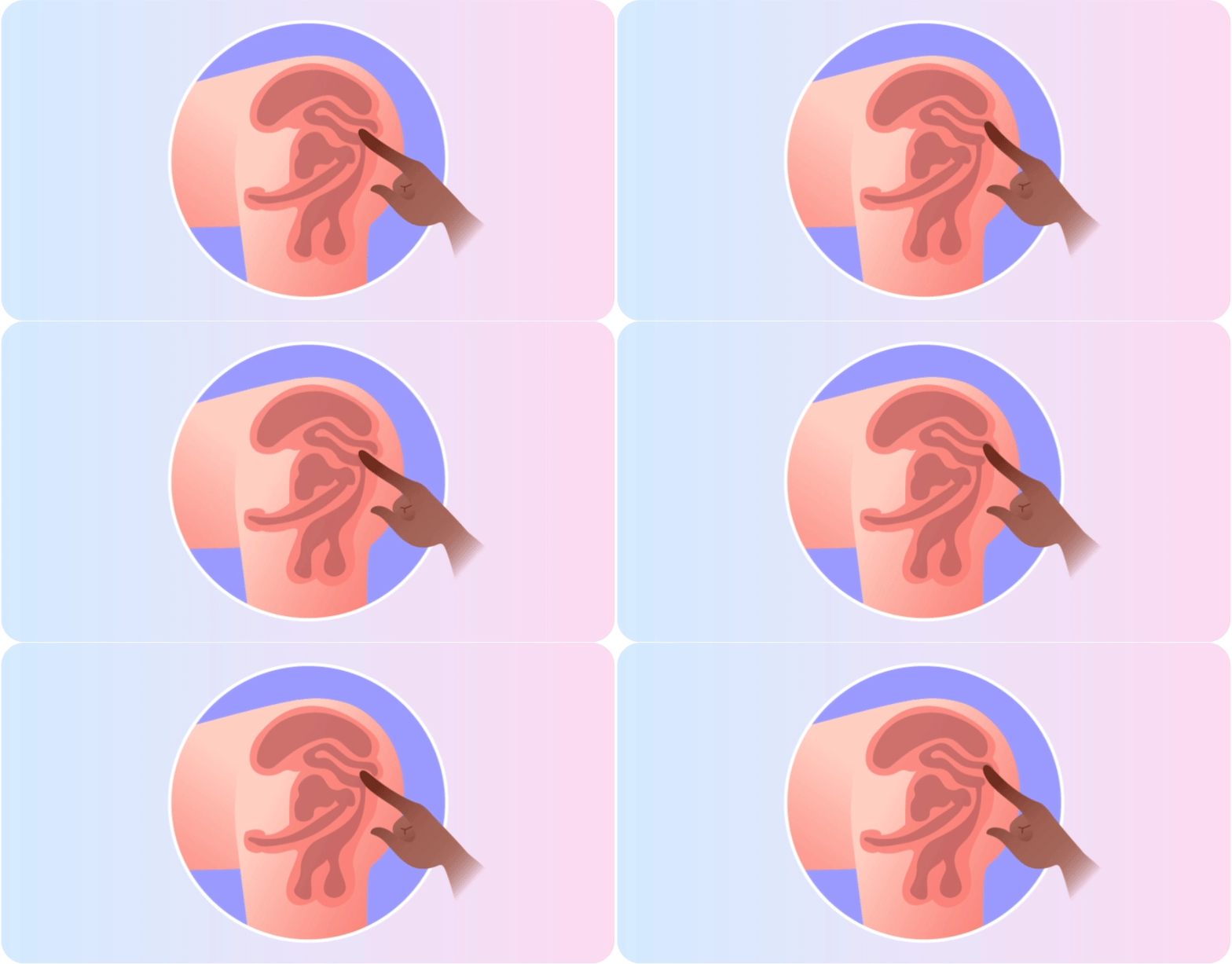
This one is similar to come hither, but instead of moving your finger back and forth like in the previous technique, you’ll be tapping it as if you’re pressing a doorbell. Start with gentle pressure, then gradually increase it.
4In and Out
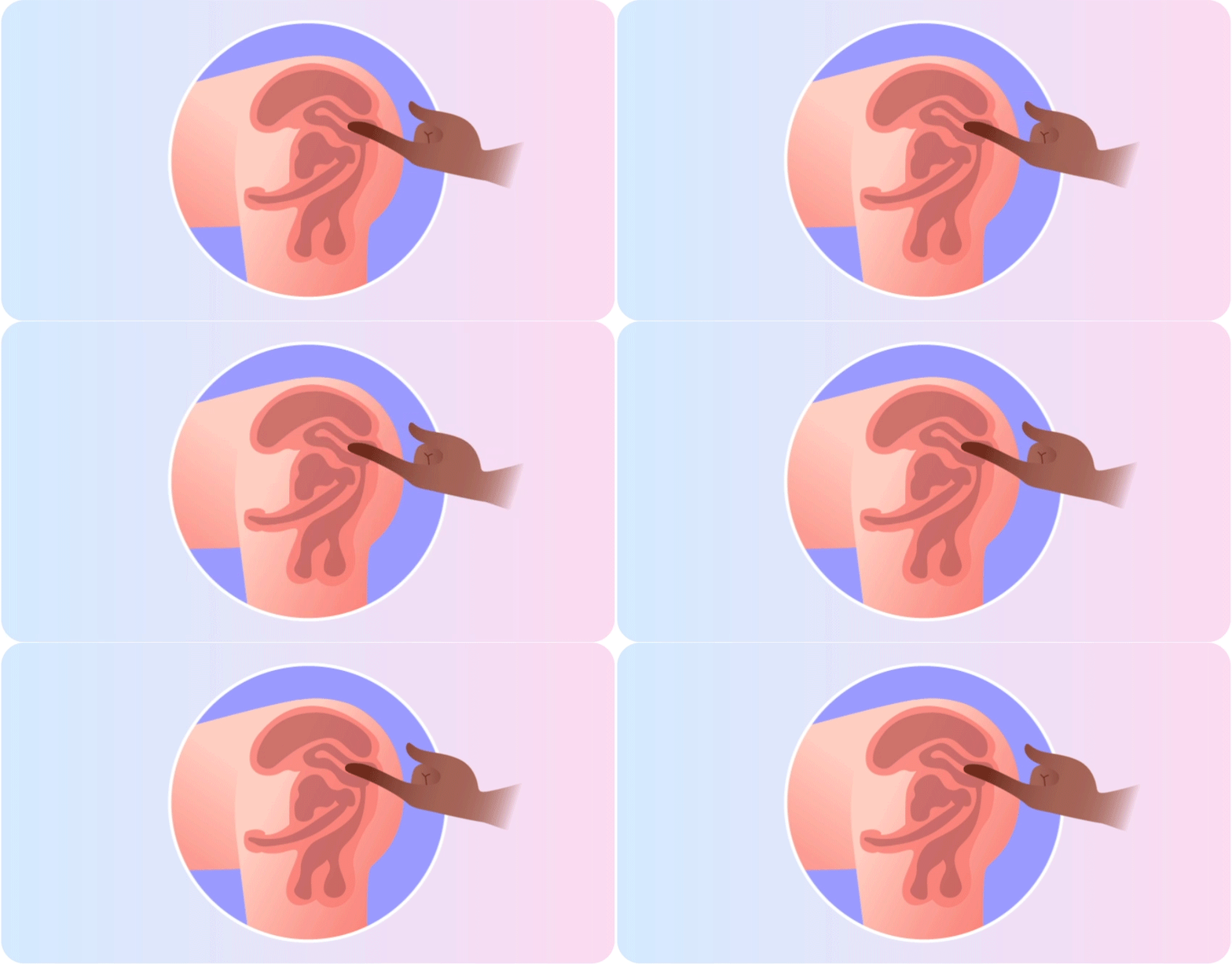
This one is interesting because it stimulates not only the prostate but also the anal sphincter, which is rich in nerve endings.
Insert your finger until you can feel the prostate, then give it a quick press or gentle rub. Slowly slide your finger out until just the tip rests at the opening. Don’t fully remove it. Repeat this a few times until you reach climax or feel ready to try another technique.
 Sold Out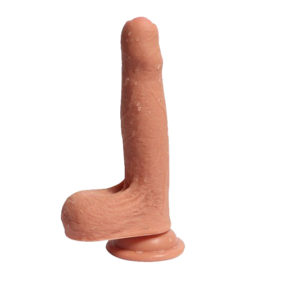

Prostate Play Tips
Like with any other sexual act, your comfort should be your top priority, which is why you need to take note of these tips, especially on your first play sessions:
1Prepping is a must.
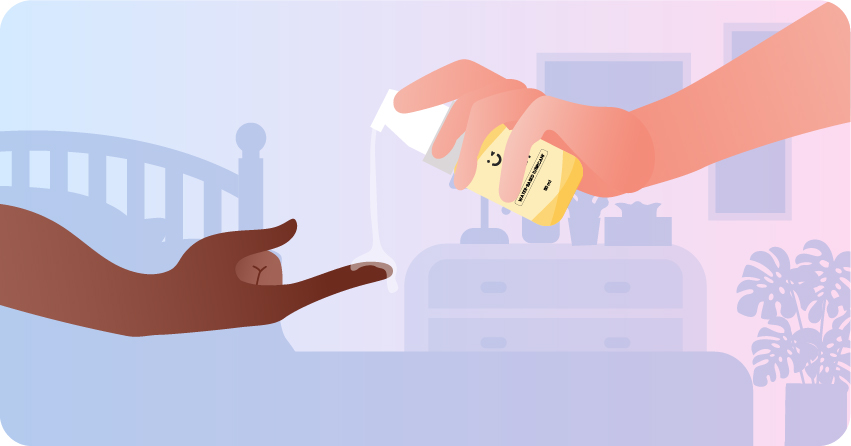
Like with any sexual activity, some preparation is needed to make things go smoothly. Jumping straight into fingering without proper cleanup or lubricant can quickly become messy and uncomfortable.
So, what should you do?
- Cut and file your nails. Long nails can accidentally tear the inner walls of the anus, which may cause pain and increase the risk of infection.
- Grab your trusted lube. Opt for water-based or silicone-based lubricants. Since the anus doesn’t self-lubricate like the vagina, lubricant is essential for safe and smooth insertion.
- Clean your bum. Anal douching or enemas aren’t always necessary, as stool is stored in the rectum and usually only moves closer to the anus when it’s full. That said, loose stools can leave residue, so to avoid messy mishaps, add binding foods to your diet, such as bananas, white rice, applesauce, toast, lean chicken, potatoes, and plain crackers.
- Set aside enough time for prostate play. Rushing can do more harm than good, so make sure you’re fully alone and not expecting interruptions like deliveries or guests.
2Take your time.
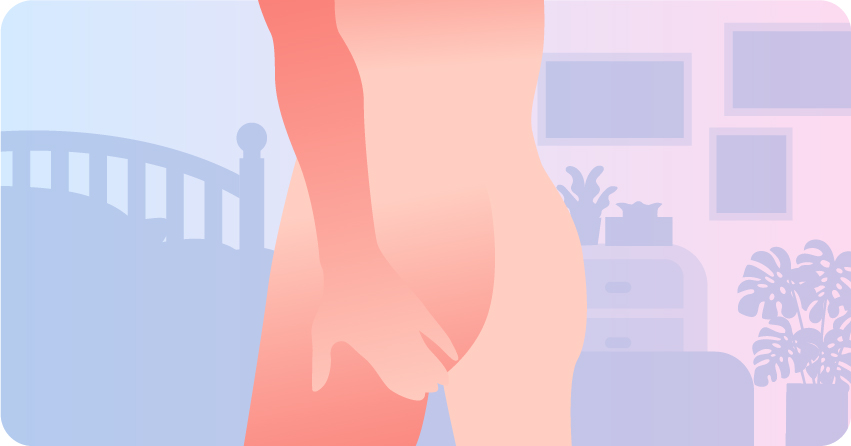
Exploring your prostate isn’t a race, so take your time and enjoy the process. In fact, rushing can increase nervousness, especially if your body hasn’t had enough time to relax. When that happens, tension builds up, making everything feel tighter and less comfortable.
That’s why it’s necessary to start slow, especially if it’s your first time. Take a few deep breaths and let your hands play with your butt or your penis. As you become more relaxed and turned on, that’s usually the best time to move toward penetration.
3Avoid numbing sprays on your first play sessions.
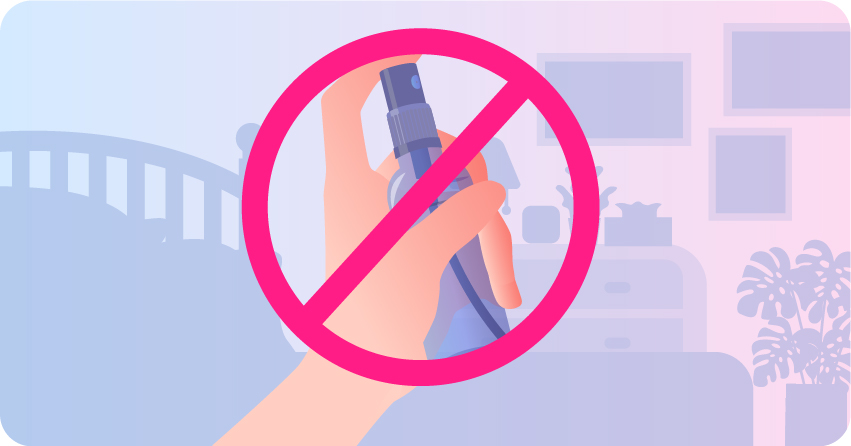
If you’ve checked out some sexual wellness stores, you probably saw anal creams and sprays that are formulated to numb or relax the anus.
While these products are generally safe and can be used when massaging the prostate gland, they’re not recommended for first-timers, as pain is an important signal that something isn’t right. Using numbing creams or sprays can make it harder to recognize sensations and know when to slow down or stop.
You can always explore these products later, but it’s best to get familiar with the natural sensations first. To avoid friction-related discomfort, you can always rely on good ‘ol lube.
Pair prostate play with other erogenous zones.
4Pair prostate play with other erogenous zones.
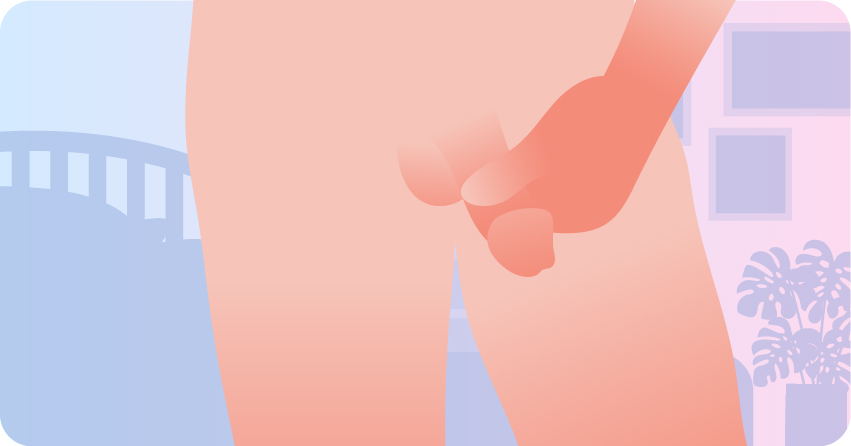
What’s great about prostate stimulation is that it only requires one hand, leaving the other free to explore other erogenous zones like your nipples or penis. The more erogenous zones you stimulate, the better it can feel!
5Practice is the key.

Your first prostate play didn’t go as planned? That’s alright, you can always try again.
The reality is, first times can feel awkward. There’s uncertainty, a bit of discomfort, and a learning curve that comes with trying something new. So if it didn’t work out, that’s okay. Practice really does make a difference.
The more you explore your prostate, the easier it becomes, and the closer you’ll get to that big O.
Recommended Prostate Sex Toys
Done exploring prostate massage with your fingers? You can spice things up with sex toys. They can provide different sensations for the prostate and make things easier, since some are designed to do the stimulation for you. Toys can also take things further for those looking for more intense play than fingering alone.
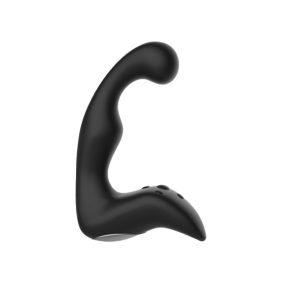
1Prostate Massager

Let’s start off the list with a toy specifically designed for this type of play. A prostate massager typically has a slim, curved shaft with either a slightly girthy tip or a slightly girthy base. This shape helps the tip naturally rest against the prostate once inserted, though a bit of adjustment may still be needed.
Prostate massagers may also come with vibrating features, or in higher-end models, thrusting or rotating functions so the toy can do most of the work for you. All you need to do is relax and enjoy the sensations.
How to use: Apply a water-based lubricant to the shaft and get into a comfortable position. When inserting the toy, make sure the tip is angled upward. Turn on the vibrations or other features and enjoy.
 New
New
2Vibrating Butt Plug

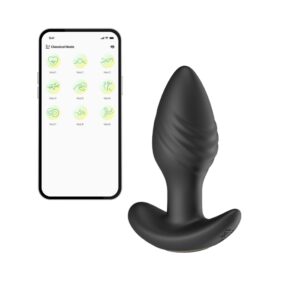
Vibrating butt plugs are also a good option for those who want to stimulate the prostate while enjoying a fuller feeling after insertion. They usually have three main parts: the body, which is inserted; the neck, which connects the body to the base; and a flared base that stays outside and often houses the control buttons.
While this toy doesn’t directly target the prostate, its fuller shape can still provide pleasurable stimulation, especially once the vibrations are turned on.
How to use: Apply a water-based lubricant to the plug’s body, then get into a comfortable position. Gently insert the plug into your anus, then turn on the vibrations and enjoy.
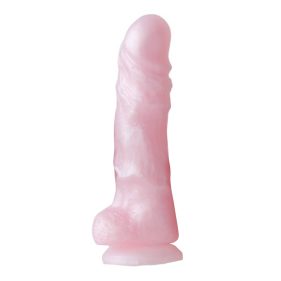
3Anal Dildo
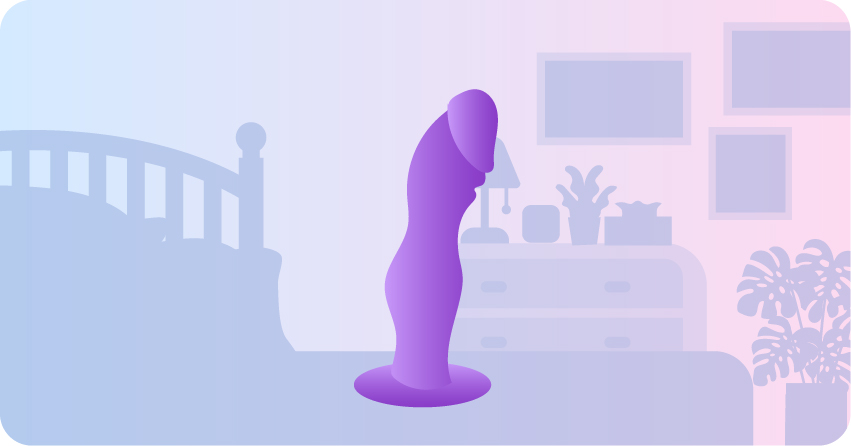
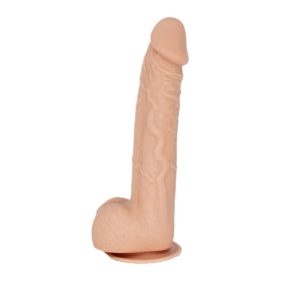
If you’re looking for something that creates more stretch, you should definitely check out anal dildos. They are similar to regular dildos, but with one key difference: they have a flared base to prevent the toy from going all the way in.
How to use: There are several ways to use an anal dildo. To start, apply a water-based lubricant, get into a comfortable position, and gently insert the toy. You can move it in and out to apply pressure to the prostate. If the dildo has thrusting, vibrating, or rotating features, relax and let the toy do the work. For dildos with a suction base, you can secure them to a compatible surface, like tiled walls, and experiment with different positions.

 Only 2 left
4Anal Probe
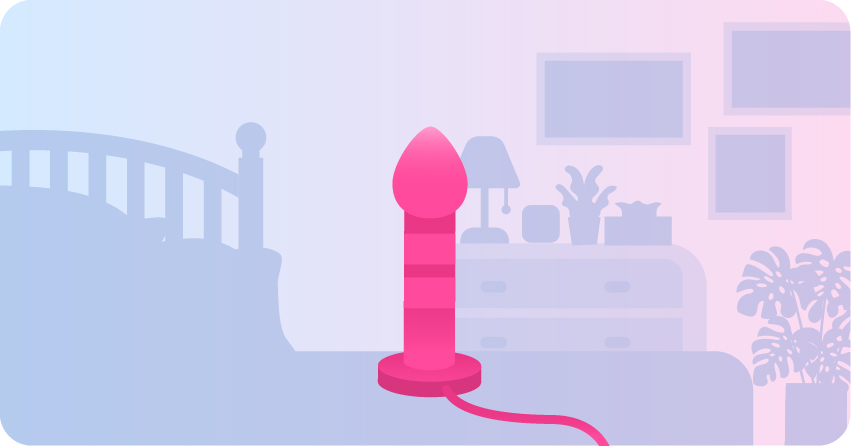
Anal probes are often associated with medical use, specifically for bowel incontinence. However, the term can also refer to a type of anal toy that’s similar to anal dildos.
The main difference is that anal probes usually have slimmer shafts, often with a slightly plumper or sometimes narrower tip. Because of their slender shape, they can stimulate the prostate more precisely.
How to use: Using this is pretty similar to an anal dildo. Apply water-based lube on the shaft, and once you got into a comfortable position, gently push the toy inside your anus, with the tips being slightly pressed on the prostate.
Watch & Read
Wanna learn more about prostate play and anal sex in general? Check out these articles, videos, and ebooks to keep that curiosity going:
Peach Please: Beginner’s Guide to Anal Play
FREE e-book that discusses the basics of anal fingering, rimming, anal sex, and more.
[Download Here]
Men Have A G-spot?! Stimulate it Like This…. (Prostate Massage?!)
Dr. Rena Malik breaks down everything you need to know about prostate stimulation, including how to locate it safely and techniques to enhance pleasure.
[Watch Here]
Prostate Play 101: How to Massage Your Prostate Gland
A more in-depth guide to prostate massage, with easy-to-follow steps and detailed visuals.
[Read Here]
How to Properly Use a Prostate Massager (Yes to Prostate Play!)
Thinking of buying a prostate massager? This quick guide covers everything you need to know first.
[Read Here]
Caring for Your Prostate
It may be a small gland, but it can have a big impact on your overall health if it’s not properly cared for. Here are some symptoms to watch for, common prostate conditions, and habits that can help support prostate health.
Warning Signs to Watch For

If you experience any of the symptoms below, consult your doctor as soon as possible, as they may point to an issue with the prostate or another part of the body:
- Constant urge to urinate
- Blood in urine or semen
- Painful ejaculation or urination
- Difficulty controlling urination, including waking up multiple times at night to pee
- Changes in urine flow (weak stream or starting and stopping)
Common Prostate Health Conditions
Below are some conditions that may be linked to the symptoms mentioned earlier. This section is for general information only and isn’t meant for self-diagnosis. If something feels off with the way you urinate or ejaculate, see a doctor right away.
1Benign Prostatic Hyperplasia (BPH)
Benign Prostatic Hyperplasia (BPH) or enlarged prostate is a condition where the prostate gland grows larger than normal, squeezing the urethra in the process and making the bladder muscles work harder to push urine out, which then results in difficulty urinating and a constant urge to pee.
This condition often happens to people over 40 and is more likely if there’s a family history of it. Being obese, having type 2 diabetes, and living a sedentary lifestyle are also considered risk factors.
For diagnosis, a person who may have this condition may undergo several tests, including a digital rectal exam, a urine test, and a blood test. Depending on the case, additional tests may be needed, such as urinary flow tests, prostate-specific antigen blood tests, prostate biopsy, transrectal ultrasound, cystoscopy, and urodynamic or pressure-flow studies.
Once the diagnosis is confirmed, a healthcare provider will recommend treatment based on prostate size, age, and how severe the symptoms are. This may include medications like alpha-blockers, 5-alpha reductase inhibitors, and tadalafil (Cialis). If symptoms persist or the condition becomes more serious, surgery may be recommended to shrink the prostate gland.
2Prostatitis
While the previous condition involves abnormal growth of the prostate gland, prostatitis refers to inflammation of the prostate.
It comes in several types, with each having a different cause:
- Chronic Prostatitis – Also known as Chronic Pelvic Pain Syndrome, this is the most common type of prostatitis. Researchers believe a previous infection, psychological stress, or hormonal issues may cause it.
- Acute or Chronic Bacterial Prostatitis – This type is caused by bacteria such as E. coli. It can’t be passed on to partners, but this disease can occur alongside sexually transmitted infections like gonorrhea or chlamydia. Acute prostatitis develops quickly and usually clears up with proper treatment, while chronic prostatitis develops more slowly and can persist for years.
- Asymptomatic Inflammatory Prostatitis – This type doesn’t have any symptoms at all and can only be discovered through tests, like a prostate biopsy.
Risk factors include having an infection in the urinary or reproductive system, HIV infection, or nerve damage in the pelvic area.
Now, let’s talk about diagnosis. After an initial discussion with your healthcare provider, you may be asked to undergo several tests, such as a digital rectal exam, urine test, blood test, and a prostatic fluid test. Once it’s confirmed that you have prostatitis and which type it is, treatment can begin.
For acute or chronic bacterial prostatitis, antibiotics are usually prescribed for around 4 to 6 weeks. Alpha-blockers may also be given to relax the bladder neck and the muscle fibers where the prostate meets the bladder, helping ease painful symptoms.
3Prostate Cancer
This is the most common cancer among men, where cancer cells start growing in the prostate. It usually has no symptoms at first, but over time, signs like blood in the urine or semen may appear. Other symptoms include a frequent urge to pee, difficulty urinating, or a weak urine stream.
While seeing blood can be alarming, it’s still considered an early-stage sign. If caught early and checked by a doctor right away, prostate cancer can still be treated successfully. Meanwhile, if symptoms are ignored, more advanced signs may develop, such as accidental urine leakage, erectile dysfunction, unexplained weight loss, bone or back pain, and weakness in the arms or legs.
Anyone who has a prostate can be at risk, but it’s higher for men over 50, those with a Black ethnic background, and those with a family history of prostate cancer. A family history of breast or ovarian cancer is also worth noting, as these can be linked in some cases.
We know it can feel overwhelming and scary to think that the symptoms you’re experiencing might be cancer. But it’s still important to see a doctor as soon as possible if any of these symptoms appear, as early detection makes treatment more effective.
Like with other prostate conditions, initial tests usually include a digital rectal exam and a PSA blood test. If these suggest a possible issue, you’ll be referred to a specialist. An MRI scan and biopsy may follow, and after a few weeks, you’ll receive the full results.
If you are diagnosed with this condition, it’s completely normal to feel worried or stressed. Just know that specialists are there to guide you and make sure you receive the right care as soon as possible. Depending on your situation, treatment may include surgery, radiotherapy, hormone therapy, or chemotherapy, along with regular checkups to monitor your recovery. We also encourage reaching out to trusted loved ones during this time. You don’t have to go through it alone.
How to Support Prostate Health

If you don’t notice any unusual symptoms when peeing or ejaculating, that’s good news. However, the risk is still there, so make sure to take note of these tips to help prevent future prostate issues or complications.
1Say yes to a healthier lifestyle.
We know it sounds a bit cliché at this point, but yes, even your prostate benefits from a healthier lifestyle.
According to the Harvard Health Professionals Follow-up Study, researchers found an inverse relationship between physical activity and symptoms of Benign Prostatic Hyperplasia (BPH). Based on questionnaires answered by over 30,000 men, those who engaged in low-to-moderate physical activity were less likely to experience BPH symptoms compared to those with a sedentary lifestyle.
On top of that, dietitians, physicians, and researchers recommend following a healthy eating pattern. Aim to eat at least five servings of fruits and vegetables a day, focus on whole grains, choose healthy fats like olive oil, nuts, and avocados, increase your protein intake, and watch your portion sizes. As for foods to limit, note sweetened drinks, salty foods, red meat, and ultra-processed foods.
2Opt for more frequent ejaculation.
Changing to a healthy lifestyle might take some time, but this tip is much easier. If you wanna reduce your risk, consider rubbing one out.
According to the Harvard Health Professionals Follow-Up Study, which collected data from 29,342 men starting in 1992, researchers looked at how often participants ejaculated during young adulthood (ages 20–29), middle age (40–49), and the most recent year. The study found that men who ejaculated more frequently had a lower risk of prostate cancer, especially those who reported 21 or more ejaculations per month, who saw about a 31% lower risk.
So the next time you masturbate, don’t feel guilty. Think of it as one small way to support your prostate health.
3Get regular prostate checkups.
Most guys aren’t exactly excited about health checkups, especially prostate exams, since they involve the bum. But that’s a small price to pay for better long-term health.
Skipping regular screenings, not just for your prostate but for your overall health, can mean missing issues that could become bigger problems later on. The earlier you know what’s going on with your body, the better.
If you’re feeling shy, especially about a rectal exam, remember that healthcare professionals see and deal with this every day. To them, it’s just part of the job.
Summary
- The prostate gland is a walnut-sized gland located below the bladder, just in front of the rectum’s ampulla. Its main role is to release proteolytic enzymes into semen, helping sperm move more easily during intercourse.
- Prostate stimulation generally comes in two forms: direct and indirect. Direct stimulation involves inserting a finger or sex toy to apply pressure to the gland, while indirect stimulation focuses on the perineum.
- Because of the intense sensations it can produce and its somewhat elusive nature, the prostate has earned the nickname “Male G-spot.”
- There are plenty of prostate play techniques to explore, including the classic rub and the “come hither” motion. Sex toys can also make things easier by providing consistent stimulation with less effort. Popular options include prostate massagers, butt plugs, anal dildos, and anal probes. Just be sure to prep properly and take your time so that play stays safe and comfortable.
- Caring for your prostate includes paying attention to unusual symptoms, seeing a doctor when needed, getting regular prostate screenings as you get older, maintaining a healthy lifestyle, and engaging in frequent ejaculation.
References
- ‘The Prostate Gland’ Available at: https://www.sciencedirect.com/topics/agricultural-and-biological-sciences/prostate-gland (Accessed 5 January 2026)
- ‘Lobes of the Prostate’ Available at: https://training.seer.cancer.gov/prostate/anatomy/lobes.html (Accessed 5 January 2026)
- ‘In Brief: How Does the Prostate Work?’ Available at: https://www.ncbi.nlm.nih.gov/books/NBK279291/ (Accessed 5 January 2026)
- ‘Prostate’ Available at: https://my.clevelandclinic.org/health/body/23965-prostate (Accessed 5 January 2026)
- ‘Prostate-induced orgasms: A concise review illustrated with a highly relevant case study’ Available at: https://onlinelibrary.wiley.com/doi/full/10.1002/ca.23006 (Accessed 5 January 2026)
- ‘How the Bowel Works’ Available at: https://www.bladderandbowel.org/bowel/bowel-resources/how-the-bowel-works/ (Accessed 6 January 2026)
- ‘Top tips for more pleasurable bottoming’ Available at: https://www.sfaf.org/collections/beta/top-tips-for-more-pleasurable-bottoming-from-a-physical-therapy-doc (Accessed 5 January 2026)
- ‘What is an anal probe?’ Available at: https://www.pinkcherry.com/blogs/pinkcherry-blog/what-is-an-anal-probe (Accessed 7 January)
- ‘Enlarged Prostate (Benign Prostatic Hyperplasia)’ Available at: https://www.niddk.nih.gov/health-information/urologic-diseases/prostate-problems/enlarged-prostate-benign-prostatic-hyperplasia (Accessed 6 January 2026)
- ‘Prostate Diseases’ Available at: https://www.niddk.nih.gov/health-information/urologic-diseases/prostate-problems/enlarged-prostate-benign-prostatic-hyperplasia (Accessed 6 January 2026)
- ‘Benign prostatic hyperplasia (BPH)’ Available at: https://www.mayoclinic.org/diseases-conditions/benign-prostatic-hyperplasia/diagnosis-treatment/drc-20370093 (Accessed 6 January 2026)
- ‘Prostatitis’ Available at: https://www.mayoclinic.org/diseases-conditions/prostatitis/diagnosis-treatment/drc-20355771 (Accessed 7 January 2026)
- ‘NHS: Causes of Prostate Cancer’ Available at: https://www.nhs.uk/conditions/prostate-cancer/causes/ (Accessed 7 January 2026)
- ‘NHS: Treatment for Prostate Cancer’ Available at: https://www.nhs.uk/conditions/prostate-cancer/treatment/ (Accessed 7 January 2026)
- ‘10 diet & exercise tips for prostate health’ Available at: https://www.health.harvard.edu/mens-health/10-diet-and-exercise-tips-for-prostate-health (Accessed 7 January 2026)
- ‘Ejaculation Frequency and Prostate Cancer’ Available at: https://www.health.harvard.edu/mens-health/ejaculation_frequency_and_prostate_cancer (Accessed 7 January 2026)