Disclaimer: This article offers general information about overstimulation during sex based on various sexual health resources. It’s not a substitute for professional medical advice. If you have specific concerns about experiencing this, please consult your healthcare provider.
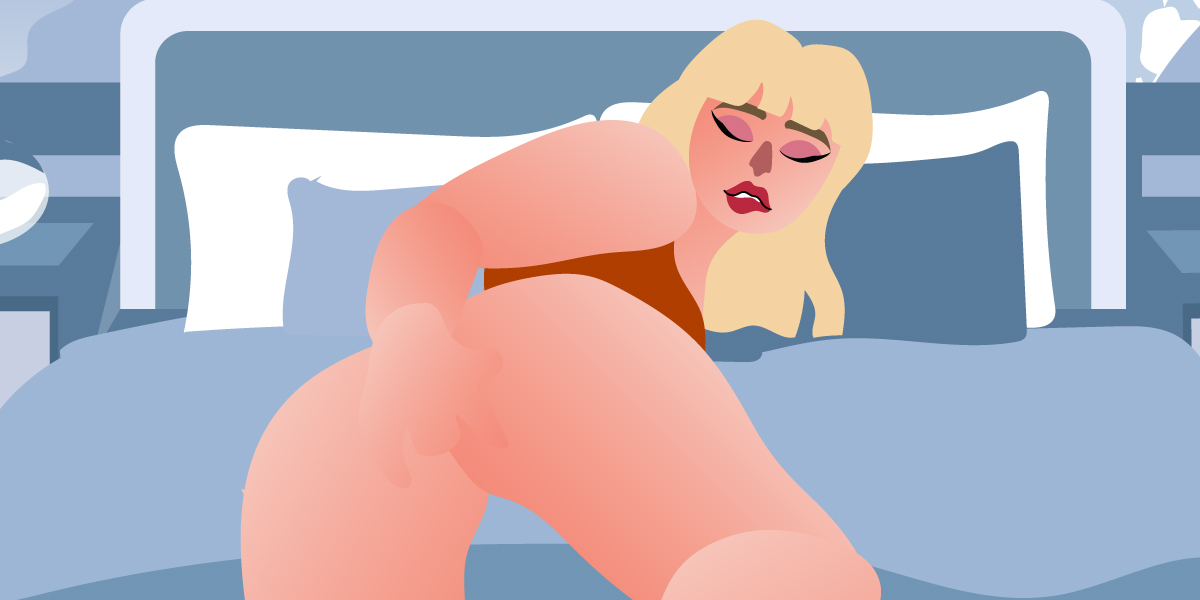
Overstimulation during sex happens when someone exerts too much physical, emotional, or sensory input towards your body. This can happen when you either prolong your sexual play (solo or partnered), wherein you mainly focus on a certain body part (e.g., clitoris), or follow a rough pace.
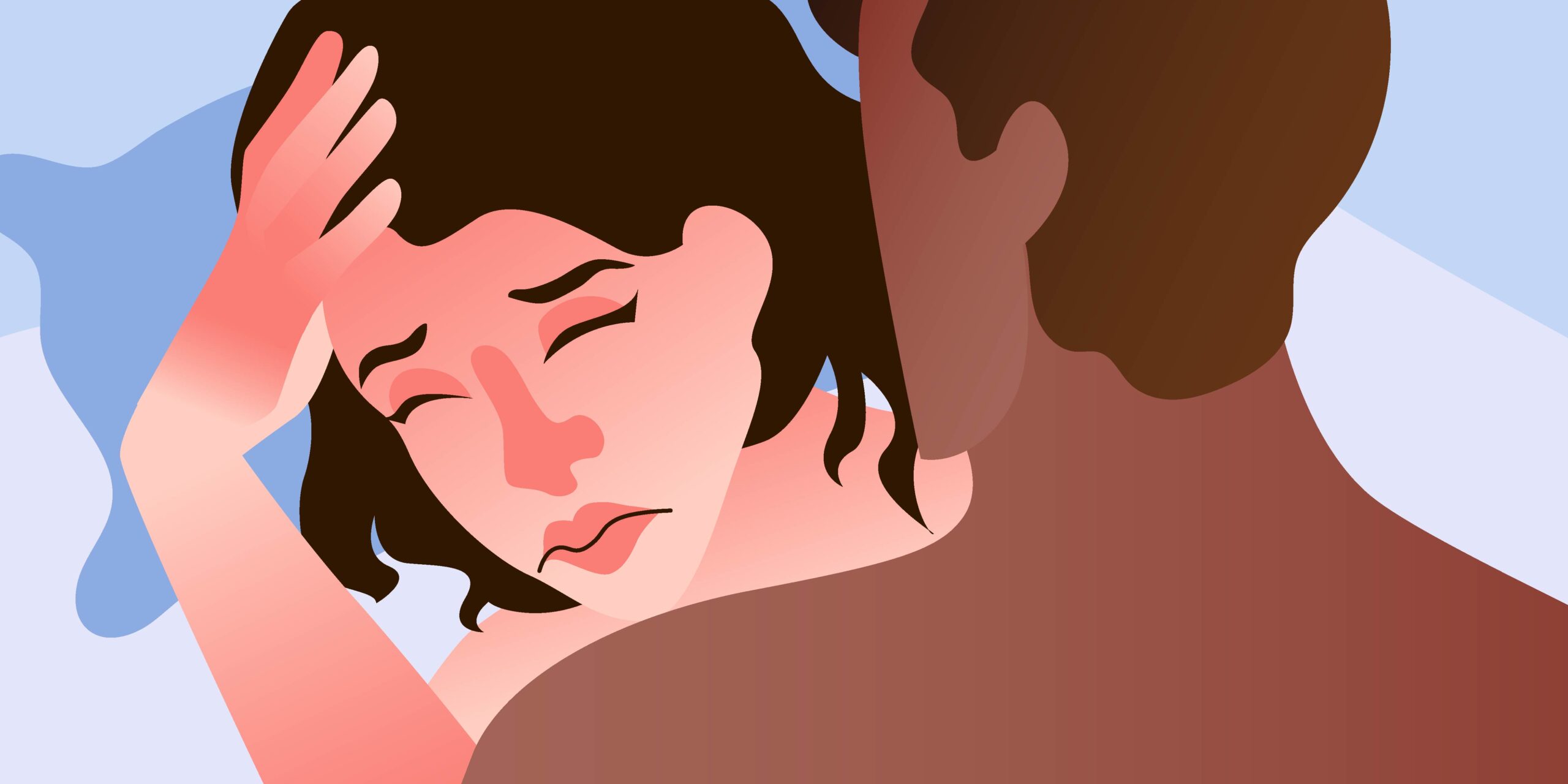
As a result, it numbs, irritates, or oversensitizes your body. You’ll feel uncomfortable and overwhelmed that a single touch can make you flinch.
But hey, it can be managed and solved. Prevented even. So, if you’re looking for answers, this short guide has you covered!
Happy reading!
What Can I Do If It Happens?

Firstly, breathe. Stop what you’re doing and catch your breath. If you’re with your partner, say your safe word or do your safe signal so they can stop. You may want to take a moment alone to ground yourself or be with your partner by holding their hand or sustaining reassuring eye contact.
Oh, and talk about what happened with them so they know better what you’re experiencing and what to improve next time while also highlighting what went right.
 Sold Out
 Hot
Hot


How to Prevent Overstimulation During Sex
Stay clear of this unfortunate occurrence through the tips below.
1 Communicate all throughout the deed.

If your partner is involved when overstimulation happens, you may want to open up about this topic afterward. In fact, it’s something you should already discuss beforehand as it is a common occurrence, and you’d want to stay on top of things to avoid causing hurt. But besides that, it’s helpful to speak up about your needs and boundaries before getting started so the succeeding sexcapades are more pleasurable and honest.
Setting safe words or signals may also be helpful, allowing either of you to express a momentary pause or a complete stop, just in case.
2 Have regular check-ins.

Again, we go back to communication. Except this tip needs its own spotlight because of the amount of stress, you can avoid here when you just ask your partner how they’re doing and vice versa!
Anyways, a regular check-in can look like “How are you feeling so far?”, “Are you comfortable?” and “Do you want me to slow down?”
3 Alternate stimulation paces.

Overstimulation during sex occurs when the pace remains fast and rough for a long period of time, especially when you’re hyperfocused on a certain body part.
Instead, mix and match a rough pace with a gentle one. You may even start gently to keep things calm initially, build up, and then return to a slower rhythm. At least this way, you still receive pleasure without irritation or pain.
Another detail to note here is the switching between clothes-on and clothes-off stimulation. Clothes may either be a good buffer or an addition to the steamy moments; it’s all about balance and listening to your body!

4 Take breaks in between.

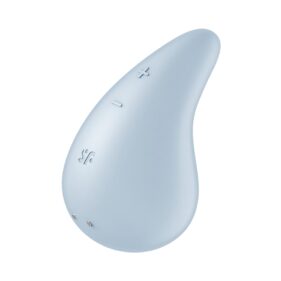
Sex is not a race. Making it goal-oriented loses its spark. Resting and stopping mid-sex is okay and normal, so your body can breathe before going at it again. It’s not a machine, okay? Pleasure shouldn’t override comfort.
5 Engage in aftercare.
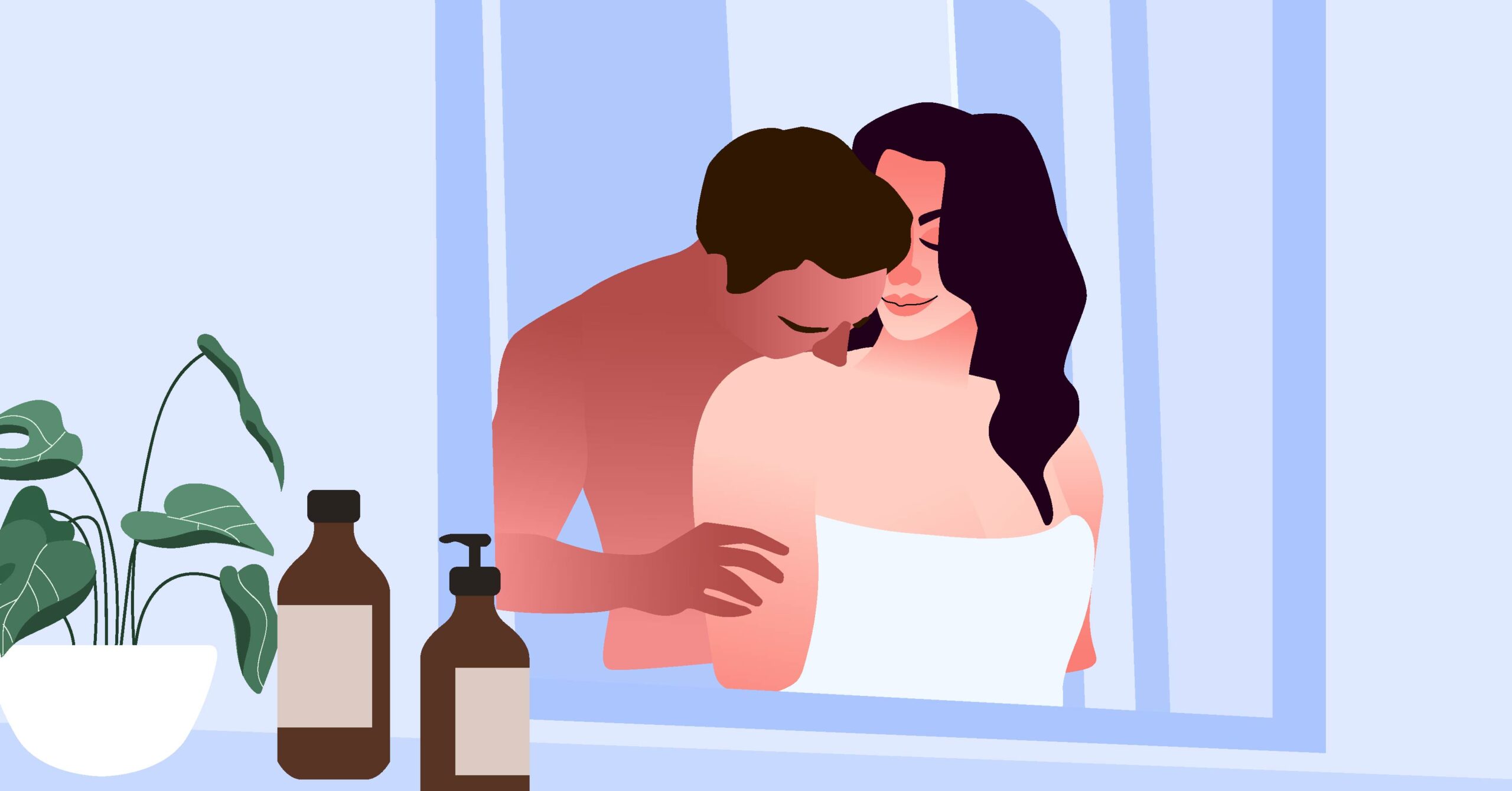
Aftercare is the last phase of sex. It’s what eases you back into reality as those strong and intense emotions, aka your high from sex, wind down. Either that or you experience a strong emotional crash.
Spare yourself from that outcome by doing this final step. Aftercare can also vary from person to person and from pairing to pairing. Some common examples of such include:
- Cleaning each other up
- Providing each other with food and water
- Cuddling
- Showering together
- Pillow Talk
This step varies depending on your and your partner’s dynamics, so feel free to explore this further. No skipping over this step over here!

Takeaway
Overstimulation during sex can happen whether we expect it or not. In turn, it can make you jolt up and irritate your body, which can affect your mood instantly. However, it can be prevented through a handful of ways, such as prioritizing open and effective communication, adjusting your stimulation styles, and engaging in aftercare.
We hope you gain a better understanding of this topic and apply our tips to prevent it from happening in the first place.
For more sex-related guides, head on over to the Lauvblog here.