Disclaimer: This blog about a dry orgasm is aimed to be a source of valuable information for the reader; however, it is not a substitute for direct expert assistance. For specific cases, please seek help from your healthcare provider.
Usually, we classify orgasms as something wet. Lots of sweat and discharges released, alongside lots of skin-to-skin contact and verbal exchanges related to pleasure. But for it to be dry? Unlikely to cross our minds, but that doesn’t mean it doesn’t exist.
Because it does, and depending on the person, it can either bring concern or be pushed to the side.
In this guide, we’ll discuss what a dry orgasm is and the different causes of it. Alongside this, we’ll highlight when it’s the right time to consult with a medical professional and a few frequently answered questions to boost your interest in it.
What You’ll Learn
- Defining Dry Orgasm
- Symptoms of a Dry Orgasm
- How a Dry Orgasm is Caused
- Diagnosis and Tests
- Consultation with a Medical Professional
- Treatments for Dry Orgasm
- Ways to Improve Dry Orgasm
- Frequently Asked Questions
- Extra resources for learning
What is a Dry Orgasm?

According to Healthline, a dry orgasm “happens when you climax during sex or masturbation but don’t release any sperm.”
Moreover, it’s also a type of anejaculation, wherein your penis unintentionally doesn’t reach an o’ or ejaculate even while it’s getting stimulated. Like your body can feel all the strong sensations that are linked to a sexual climax, but in the end, there’s no ejaculate or semen released. Some penis owners experience it temporarily, while others have it regularly.
It’s also not a serious occurrence, with others citing that it feels just like an average orgasm minus extra discharge. However, it can be disadvantageous if you’re starting a family with your partner.
Symptoms of a Dry Orgasm
- Slightly altered sensation upon orgasm
- Cloudy urine
- Sexual difficulties (e.g., erectile dysfunction, reduced sexual drive, delays in ejaculation)
 Sold Out
 New
New


 Hot
Hot


Causes of Dry Orgasm
Browse through the various ways one can experience a dry orgasm through this section down below.
1 Medical and Surgical

There are 4 causes in this section: surgery, nerve damage, blockages, and genetics.
Surgical procedures that affect body parts in charge of sperm production can alter how one experiences an orgasm. Medical News Today shares that going under the cut due to prostate cancer can mean removing the prostate or seminal vesicles, which leads to permanent dry orgasms. Having surgery due to testicular cancer can also result in dry orgasms, but it does impact the affected person’s fertility levels.
Moreover, nerve damage may be another suspect. It can manifest as a complication from major conditions like multiple sclerosis, diabetes, and even cancer. In turn, It can strongly affect the way your body experiences orgasms. Aside from this, it can also occur through an accident that directly affects your spinal cord.
Blockages can impact dry orgasms too. More specifically, in the ejaculatory duct where semen passes through during ejaculation. This kind of blockage is also called ejaculatory obstruction. Reasons for blockage can range from infection to injury. So even if you want to come, you physically can’t when something is blocking your body from doing so.
And lasttly, it’s possible for your own genetics to cause a dry orgasm. Some examples include cystic fibrosis, which meddle with your fertility, and Klinefelter syndrome, resulting in the release of little to no sperm due to an added X chromosome, making it XXY.




2 Physiological

The older a penis owner gets, the lower their testosterone levels get.
Testosterone is responsible for sex drive and sperm development, which naturally decreases over time. Hence, orgasms at an older age may look different but still feel the same.
Aside from age, hormonal imbalances can cause a dry orgasm to occur. Consulting with a professional who can prescribe you the necessary treatment is a viable solution to take.

 Only 2 left


3 Temporary/Situational

If you’ve already reached an o’ prior, it’s likely that your body will not to release any ejaculate when you do the deed again. And again. And again. Generally, your body needs quite some time to reload its supply of semen. It varies per person, so it’s not necessarily a point of concern. As long as the aftershocks are there, most penis owners wouldn’t bat an eye if they don’t ejaculate post-orgasm.
4 Anatomical Differences
We may share the same biological parts but are still built differently as genetics and other factors influence our bodies. But besides the point, some parts may be more developed or underdeveloped.
5 Medication-Induced

Certain medications can lead to dry orgasms if you don’t ask your medical professional more about their side effects. Those medications may be found for those with high blood pressure, mood disorders, and enlarged prostates. It’s key that you get a full in-depth description of whatever you take from your doctor to understand what it’s going to do and how it’ll impact your body.
Diagnosis and Tests
If you’re curious to know if what you’re experiencing is a dry orgasm, getting the right diagnosis is key. That step can be done through the following:
- Asking various questions to your doctor about your symptoms
- What treatments and procedures you went through (if applicable)
- Sharing your current lifestyle
- A medical professional reviewing your physical and medical histories
- Hormone level tests
- Imaging or neurological evaluations depending on your symptoms
In addition, they may ask you to undergo tests like a urine wherein you masturbate in private to get a sample of the urine and semen. If there are any or a lot of sperm, you may experiencing retrograde ejaculation. If none, that would be a dry orgasm. Moreover, a physical exam of your genitalia may be done and additional testing if there are underlying conditions.


When to Consult With a Doctor

You can consult with a medical professional about dry orgasms anytime if you want to understand what’s going on with your body. Perhaps figure out what to add and reduce from your life to prevent it. Or maybe undergo lifestyle changes and even medical treatments to improve your current health status. Regardless, what matters most at the beginning is getting the right diagnosis as mentioned above.
Aside from this, you can consult with a medical professional if:
- You want treatment for your underlying conditions (prevention for dry orgasm)
- Dry orgasms occur frequently
- You’re trying to conceive
- You notice other sexual or urinary symptoms
- The situation affects your mental health or relationship

Treatments for Dry Orgasm

Skim through some possible solutions that’ll prevent a dry orgasm from happening to you (again) through this list:
- Medications (if caused by drugs; trying new ones or adjusting the dosage)
- Medical procedures that get to the bottom of any blockages
- Hormone therapy (if caused by low testosterone)
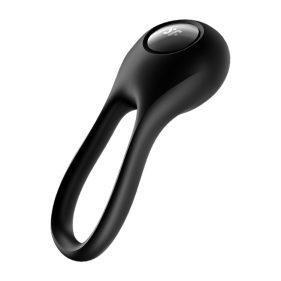
- Fertility-related treatments (eg., electroejaculation, vibrator therapy, and assisted reproductive techniques if infertility is a concern)
- Addressing any prediagnosed conditions
- Making lifestyle and behavioral changes
- Counseling (if mental and emotional health is affected)

Tips on Improving Your Orgasms
Take control of your sexual function by reading this short yet helpful section.
1 Follow a healthy lifestyle.

From the food you eat to the way you move your body, how you treat your body can influence your reaction to sex. So don’t skip out or half-ass the self-care and be more conscious of your daily choices.
And by making good choices, we suggest cutting out any vices like smoking or drinking if you do any of them. They can negatively impact how your body reacts to arousal, affecting your libido.
2 Put more attention on your pelvic health.
The muscles in your pelvic area are very crucial when you want to have great sex and orgasms. When they’re strong and tight, they result in real-time arousal and o’s and overall healthy bodily function. One way to pay attention to it is through kegel exercises, improving your pelvic floor.
3 Explore your sexual pleasure.

There’s no one pathway into reaching an o’. If that’s the case, then your sex life may be boring. You need to constantly try new things and see what your body is capable of, especially when the options for sexual pleasure are vast! But of course, no pressure, and at your own pace.
Exploring your sexual pleasure can look like trying new ways to masturbate, embarking on bold sex positions, or testing out sex toys you’ve never played around with before.
Frequently Answered Questions

Still eager to learn more about the ropes of a dry orgasm? Keep reading this section as we answer various queries about it.
1 What’s the difference between retrograde ejaculation and a dry orgasm?
Retrograde ejaculation is when the neck of your bladder doesn’t close during an orgasm, letting semen flow back inside there instead of going out through your urethra. It can result in cloudy-looking urine when they pee. Hence, there’s still little to no semen being released.
As for a dry orgasm, there’s no semen at all. Just the aftershocks when you go through your high.
2 What are some symptoms one may experience when they have a dry orgasm?
Aside from cloudy-like urine, healthdirect shares that the symptoms it is linked to are like other sexual dysfunctions or difficulties. That can include delayed ejaculation, low libido, and erectile dysfunction. You may also feel less of that usual “high” post-sex because you’re not releasing anything.
3 What are other procedures and treatments that can cause a dry orgasm?
Mayo Clinic cites procedures such as Bladder removal surgery (Cystectomy), Prostatectomy, Retroperitoneal lymph node dissection, and TUMT (transurethral microwave therapy) to affect the orgasms of penis owners.
4 Does stress or any psychological condition cause a dry orgasm?
Yes, but it can depend on the situation. Sometimes, you’ll be able to reach a climax like normal, then not at all in the next. Even more so if you’re having sex back and forth. Counseling can be a great solution when experiencing this.
5 I just had a dry orgasm, and now, I’m overthinking things. What do I do?
Firstly, take a deep breath. Inhale, exhale. It can happen, even more so if you’ve been doing the deed back and forth. If you have, then chances are your semen supply just needs a reload. But if not, the next step you can take after easing your mind and body is to see a doctor. It may be extra helpful to know your family’s medical history and have a clearer idea of what your lifestyle is like right now. That way, it may be easier to pinpoint where the root of the problem is.
You may bring a close companion for moral support on your consultation day.



Watch and Read
- JN HEALTH MATTERS – Retrograde Ejaculation (Dry Orgasm or No Semen) Causes & Prevention
-
- This video discusses what retrograde ejaculation is, why it can cause dry orgasms, and outlines possible causes and prevention strategies.
- hims – A Urologist Explains: What Is RETROGRADE Ejaculation?
-
- A board-certified urologist explains and breaks down how retrograde ejaculation occurs, who is at risk, and when medical evaluation is needed.
- Dr. Emma Blake | Men’s Health – Isn’t Ejaculation Coming Out? Why It Happens (Prostate/Dry Ejaculation)
-
- This video explores common prostate-related conditions and medical reasons why ejaculation may be reduced or absent, including dry orgasm.
- Mayo Clinic – “Dry orgasm”
-
- A clear medical overview of dry orgasm 101, causes, and basic context about symptoms and fertility implications.
- Healthline – “Dry Orgasm: Why It Happens and What You Can Do”
-
- A detailed patient-friendly article discussing what a dry orgasm is, differentiating it from retrograde ejaculation, and reviewing causes and care options.
- Cleveland Clinic – Retrograde Ejaculation
-
- Provides informative medical explanations on retrograde ejaculation with diagnosis and treatment context.

Takeaway
A dry orgasm isn’t necessarily the end of the world when you experience it. If you’re someone who likes back-to-back orgasms, this one may occur as there’s a shortage of semen in your body, and it needs some replenishing. However, it can be more challenging if you have prediagnosed conditions, nerve damage, or had some surgery around the penis/prostate area. Whatever situation you’re caught in, it’s best to seek help from a professional who can advise you on the proper treatment and lifestyle changes to make.
For more health-related guides such as this, head on over to the Lauvblog here.