Disclaimer: This article on how to boost female fertility is meant to be a source of valuable information for the reader; however, it is not a substitute for direct expert assistance. Seek help from a medical or mental health professional if you’re experiencing a severe case of this condition.
Are you trying for a baby anytime soon? If that’s the case, you’re at the right place. A lot of things can impact female fertility. Luckily, there are natural ways you can do boost it. However, if you have specific challenges that have been around for a long time, having regular consultations, and or need more direction, this guide is for you.
What You’ll Learn
- Female fertility explained
- Common factors that impact fertility
- Steps to help support healthy fertility
What is Female Fertility?

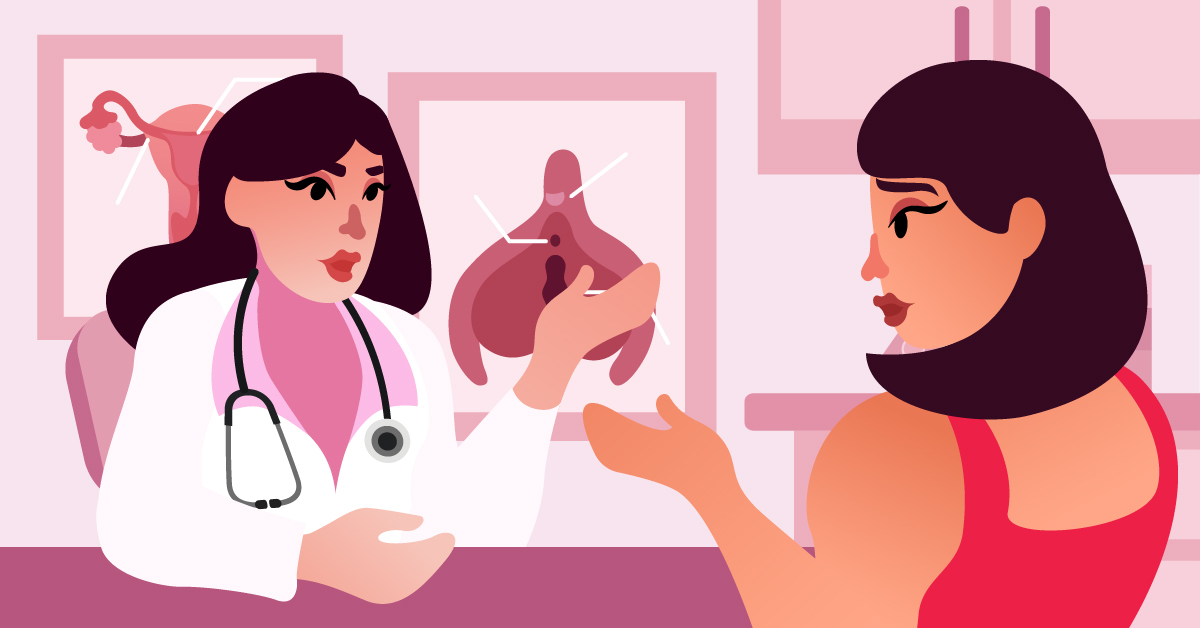
Female fertility is the ability to get pregnant. It’s also linked to the functioning of their reproductive system, from the fallopian tubes, ovaries, and uterus, to name a few. For some females, they can easily and naturally conceive a child within a few months to a year with their partner. For others, it can take them a little longer to the point where they question their state of fertility. Even consulting a doctor for more professional advice. Anyone can deal with fertility issues at various stages of their life.
Factors That Affect Female Fertility

There’s not just one core reason behind female fertility dilemmas. Read this section to learn more about factors that may come into play in impacting it. That way, you can further unravel how to boost female fertility for you.
1 Age
The older you wait to get pregnant, the harder it is to conceive as eggs lessen. Unfortunately, that’s the harsh truth. Such a decline can start when you turn 30 and continues as you turn 40. It may not be impossible, but expect some challenges and make better-informed decisions that fit your lifestyle.
 Sold Out


2 Underlying Health Conditions
Oh, this factor can go down many routes. Such conditions range from:
- Chronic conditions: Diabetes, heart disease, hypertension, cancer, and more.
- Uterus or Cervical-related conditions: Polyps and fibroids (growths), and endometriosis (overgrowth of the uterine lining from the inside to the outside).
- Fallopian-related conditions: Damage or blockage within the fallopian tubes (responsible for transferring eggs from the ovaries to the uterus) can be caused by Pelvic Inflammatory Disease (PID).
- Hormone-related conditions: The most common one among women is Polycystic Ovary Syndrome (PCOS), which highly affects your menstrual cycles. Mayo Clinic also highlights that having high prolactin hormone levels and thyroid conditions can affect female fertility.
- Sexually Transmitted Infections and Diseases (STIs/STDs): Through unprotected sex, contracting such infections and diseases heightens the difficulties of being fertile. Examples of such are gonorrhea, chlamydia, and herpes.
3 Lifestyle Choices
Your day-to-day lifestyle in terms of boosting female fertility has a bigger impact than you think.
Now ponder on these choices. So you irresponsibly engage in vices, have an imbalanced sleep schedule, and/or don’t nourish your body with the proper foods, liquids, and exercise. It’ll be more difficult to conceive a child if you can’t take care of your body properly. However, if you can already assess your current life choices as early as now, you’ll have a clearer idea of what needs to change and what can be retained. Plus, you’ll be more in sync with your body and know what you need in the moment, and so on.





4 Personal Environment
Your surroundings play just as strong a role in boosting female fertility. If you’re surrounded by stress and heightened emotions, maybe it’s having a not-so-good partner, living in a toxic household, or having an unhealthy job (e.g., long hours, low pay, late night shift, going overtime, etc), you’ll feel drained and exhausted. Such a state will make it challenging to have a child, let alone engage in sex to make it possible. Plus, it spikes your hormones, increasing the chances of being fertile.
But if you have the opposite, living with your partner with whom you have great communication skills and have a job that upholds work-life balance, you’ll feel your best and a lot healthier too.
5 Early Menopause
Cleveland Clinic defines early menopause as when “a woman goes through menopause at an earlier age than is typically expected.”
Menopause normally starts at age 51, when your ovaries stop working and end your period. However, early menopause can occur when you’re 45. Without any eggs being released, your fertility is in trouble, and conception becomes a lot more challenging to achieve.
How to Boost Female Fertility
Now onto the main part, let’s explore the various choices one can take as they learn how to boost female fertility through this section.
1 Limit caffeine intake.

One cup of coffee (instant or fresh) a day is okay as long as you take it in the morning, right before the afternoon. Drinking coffee later in the day can affect your sleep. Aside from that, having other alternatives to coffee with less caffeine (e.g., tea) is advisable if you need that extra boost of energy. That way, you can still maintain a healthy daily routine.
2 Hydrate more.

Fertility Network shares that drinking lots of water throughout the day can help release waste products from your kidneys. In turn, it increases the fertility quality of your cervical fluid. Alongside this, hydration increases your energy, which is great when trying to conceive.
3 Find movement that suits you.
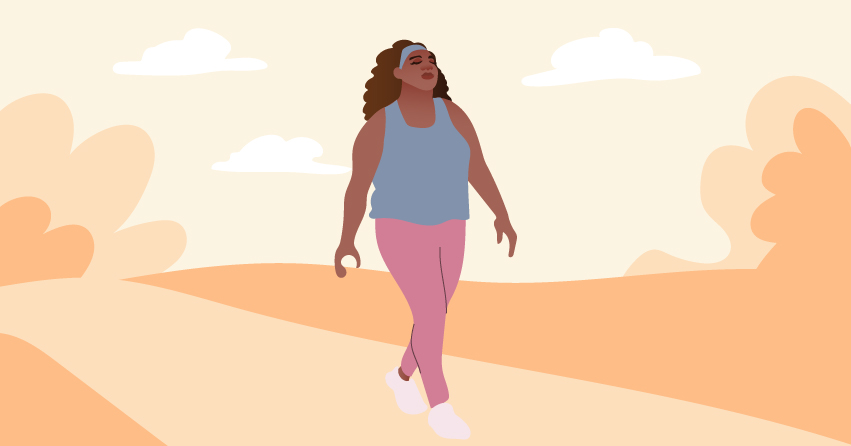
Instead of the term working out or exercising, which can feel pressuring to some, movement is a better word to use here. Movement, from low impact to high impact, can improve the overall state of your body, making you feel good and so on. It’ll then take effect on your fertility.
But like anything else, movement should be done in moderation and also at your own pace. With the latter, try something at a few reps or under 10 mins. Then build it up once you get the hang of it. For example, try going on a nature walk or a walk on the treadmill for 10 minutes.
As for the former, excessive exercise, especially high impact, can alter your menstrual cycle and so on. Moreover, asking for a professional opinion or going through a trial-and-error phase of workouts can aid in finding the best modes of movement for you.
4 Prioritize relaxation.

This tip may vary per person and their lifestyle. But finding even small ways to unwind and calm down can provide you with the needed mental clarity and rejuvenation your body needs. That way, it’s more capable of taking on more tasks and actions. Fertility-wise, destressing and engaging in more relaxation methods encourage a healthy menstrual cycle. In turn, you’re more likely to conceive.
5 Avoid vices.

Engaging in vices like drinking alcohol and smoking can decrease both your arousal and fertility levels. One glass during a social gathering is okay, but if you’re actively trying for a baby, having little to no intake may skyrocket your chances. And as for smoking, it’s overall harmful and may lead to abnormalities if you’re pregnant.
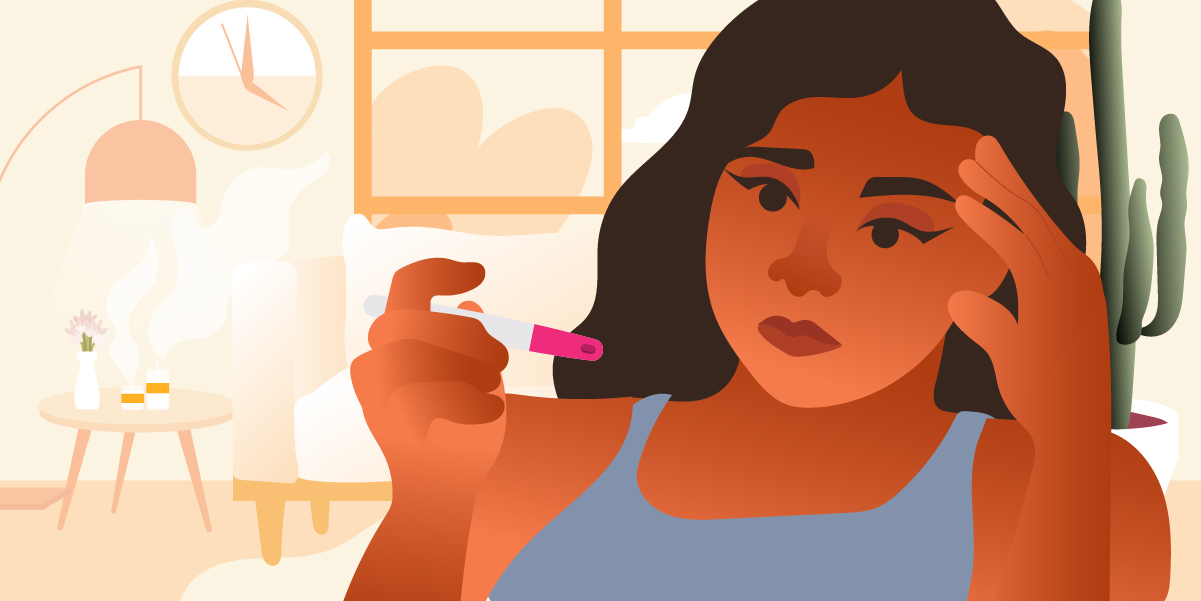
Moreover, if you’re suspicious that you’re pregnant, it’s key to cut off the vices for a healthy pregnancy.
6 Be familiar with your menstrual cycle.
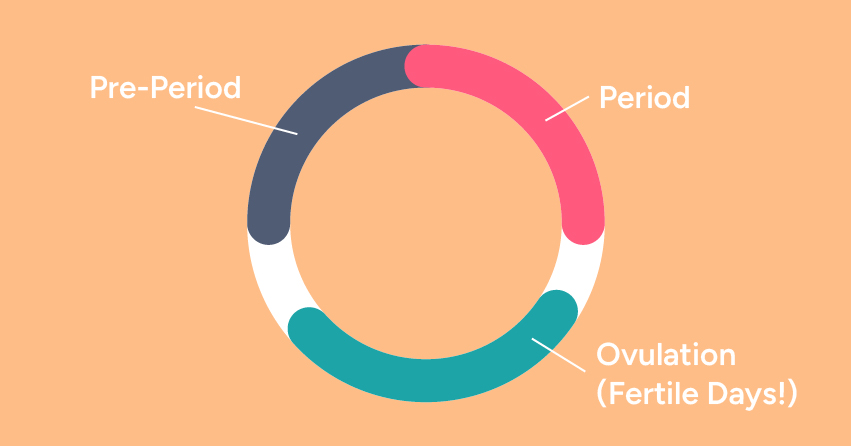
Ovulation is when a woman is at her most fertile. Track your period, observe when it starts, and start counting from there. Observe how many days this current cycle lasts to determine the potential ovulation period. You can already schedule sex during that time. But also keep in mind that lots of sex back and forth can leave you exhausted and make you goal-oriented.
Even more so when it can take 6 months to a year to conceive a child, it’s essential to find balance, enjoy the process, and be in the moment whenever you have sex.

 Only 2 left


7 Keep in mind male fertility.

Fertility Academy highlights that just like female fertility, male fertility can experience a decline in sperm production when a man gets older. Alongside this, one of the most common fertility issues is male infertility. So they too should be mindful of their lifestyle choices and health.
8 Prioritize having a healthy diet.

In terms of boosting your fertility, consider foods that are rich in:
- Antioxidants: Berries, citrus fruits, lettuce, kale, and spinach
- Fiber: Potatoes, broccoli, carrots, black beans, and nuts
- Omega-3 fatty acids: Fatty fish (e.g., salmon and tuna), chia seeds, and flaxseed seeds
Moreover, you may want to limit your refined carb intake, which is found in sugary drinks, sweets, and desserts. To add on to this, don’t skip breakfast! And when you do have breakfast, the following foods should be in your meal so you further boost your fertility. This tip is also especially important for those who have PCOS!
9 Be mindful of any medications you’re taking.
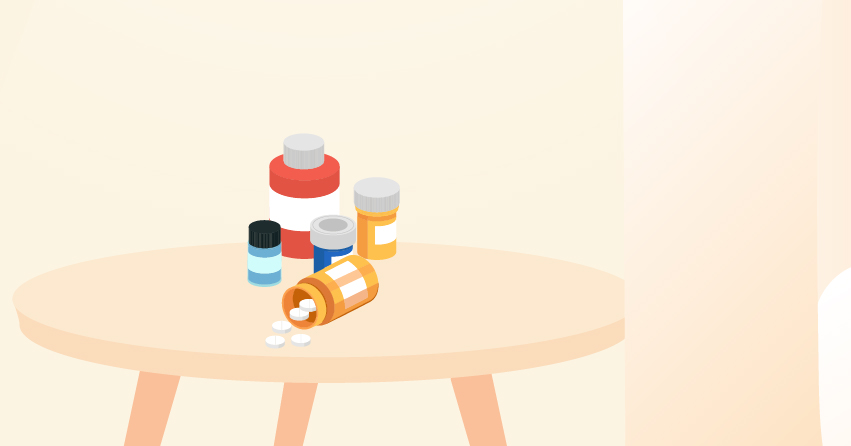
If you’re currently taking any prescriptions or OTC medications, do ask your doctor whether not taking them can affect your fertility and if you should continue taking them. Just to be safe, so you can avoid any complications in the future.
10 Seek professional help.
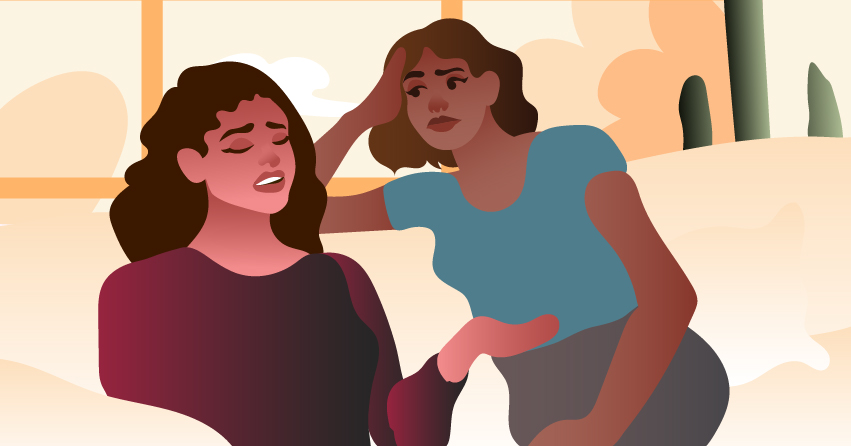
For more personalized or advanced advice related to your fertility, consulting with a doctor is encouraged. That way, you have a clearer direction on what’s going on with your body and your succeeding steps. During a consultation, a doctor may review your medical history, conduct a physical examination, and perform diagnostic exams (e.g., hormonal tests, ultrasound of reproductive organs).
Watch and Read
Refer to these top-notch sources to learn more about Female Fertility.
Watch
- Ted-Ed: How Does Ovulation Work?
- Mayo Clinic: Female Fertility Animation
- Dr. Faye Bate: Fertility Expert: Every Girl Should Know Before 25
Read
- Cleveland Clinic: Female Infertility
- Mayo Clinic: Female fertility: Why lifestyle choices count
- NHS: Trying for a baby

Summary
- Female fertility depends on multiple factors like age, certain health conditions (PCOS or STis), lifestyle habits, environment, and potential early menopause.
- Lifestyle choices are important, from sleep, diet, and avoidance of vices.
- Tracking your cycle is helpful too in knowing your ovulation period aka increased fertility.
- Balanced habits like moderate exercise and proper nutrition, and relaxation support fertility.
- If challenges persist, consulting with a professional helps in identifying underlying conditions and providing personalized medical advice suited for your body.