
Trauma dumping is something that a lot of people may or not may not be aware of doing, yet its prevalence in modern society is astonishing. As being more open about your mental health and your troubles is more acceptable in this day and age, it’s still possible for some people to go overboard without realizing it.
And by overboard, they can share their deepest scars and wounds of life that may actually make the other person uncomfortable. Even more so if they’re not close to you and have no idea what to do with that information. It becomes an added load on their plate, which is just inconsiderate and even manipulative.
Let’s talk about this deep topic more in-depth through this guide down below.
What is Trauma Dumping?
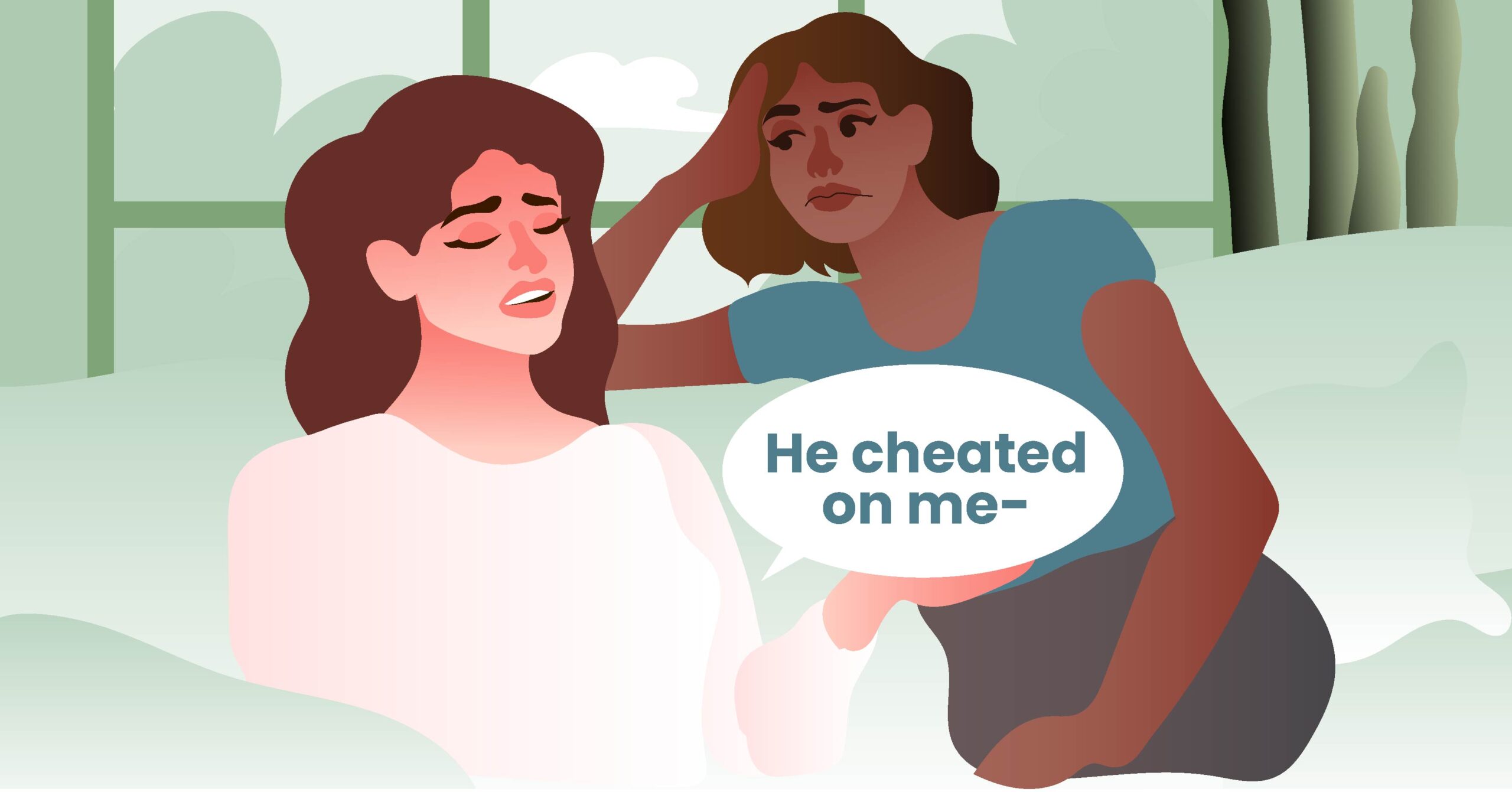
Trauma Dumping is the act of oversharing personal and usually distressing experiences linked to trauma to other people without paying much mind to who or where they are, and also their emotional boundaries. Or in other words, it’s done without their permission or consent.
This concept has been used in both a serious and playful way in social media, wherein the latter is usually among close friends who have already established a history with each other. Because hey, you get to release whatever’s been bothering you for the longest time at that very moment. Moreover, it’s seen as another term for venting, specifically venting out your most intense pains.
However, those two terms are different. Let’s get that out of the way. And to make matters worse, this act can damage your relationships with others.
Trauma Dumping Vs. Healthy Venting: What’s the Difference?

Oh, there are a lot, and each of them is big.
As mentioned above, trauma dumping is usually unexpected, intense, non-consensual, and one-sided. They just dump all their weight on you regardless of where you are, just so it’s out of their system without much reflection on what they want to do. Moreover, they don’t have any solutions in mind for what they want to do with the trauma. There’s also a chance that the things they tell you are repetitive, so you’re just listening to them tell the tale over and over again.
Meanwhile, healthy venting starts when the person who wants to vent politely asks their companion/s if it’s a good time and place to talk. They prioritize privacy when dealing with personal issues. So when everyone involved agrees, the person venting would open up the dialogue with a keen ear to hear what the other person or people have to say about their situation. Rather than just releasing their emotions, they also process the current situation they’re in and what their next steps are. Such a release isn’t unintentional.
All in all, healthy venting is more thoughtful, context-aware, and considerate of everyone’s time, energy, and emotional capabilities. You also build more trust and a better connection with everyone involved.
Why Do People Engage in Trauma Dumping?
Browse through this list of common reasons why people get involved in this heavy act.
1 They have a lot of unprocessed and unhealed trauma.

When you have trauma that is left unaddressed (e.g., not seeking professional help like therapy), it can become a series of untamed thoughts in your mind. And when it fully takes over your mind, attention, and body, it’d find its way out without your control. Thus, it wouldn’t matter what kind of situation you’re in; you’re now trauma dumping in front of those who may be unprepared for this kind of situation.
 Sold Out



2 They lack any sort of boundaries.

Trauma dumping is emotionally heavy, so the person who’s doing this only thinks of themselves to lighten their pain. However, it also reveals how inconsiderate they can be to others, regardless of whether they are aware of their boundaries. This may also be seen as unprofessional in a workplace scenario.
3 They seek some sort of connection or validation.

When you open up to someone about something personal, you usually gain a sense of closeness right after. That brief yet growing connection and empathy because you feel seen and heard. That’s what trauma dumpers crave so they don’t feel lonely, except that they don’t have any sense of boundaries or consideration for who they vent towards and where they are.
4 Their emotions are dysregulated.
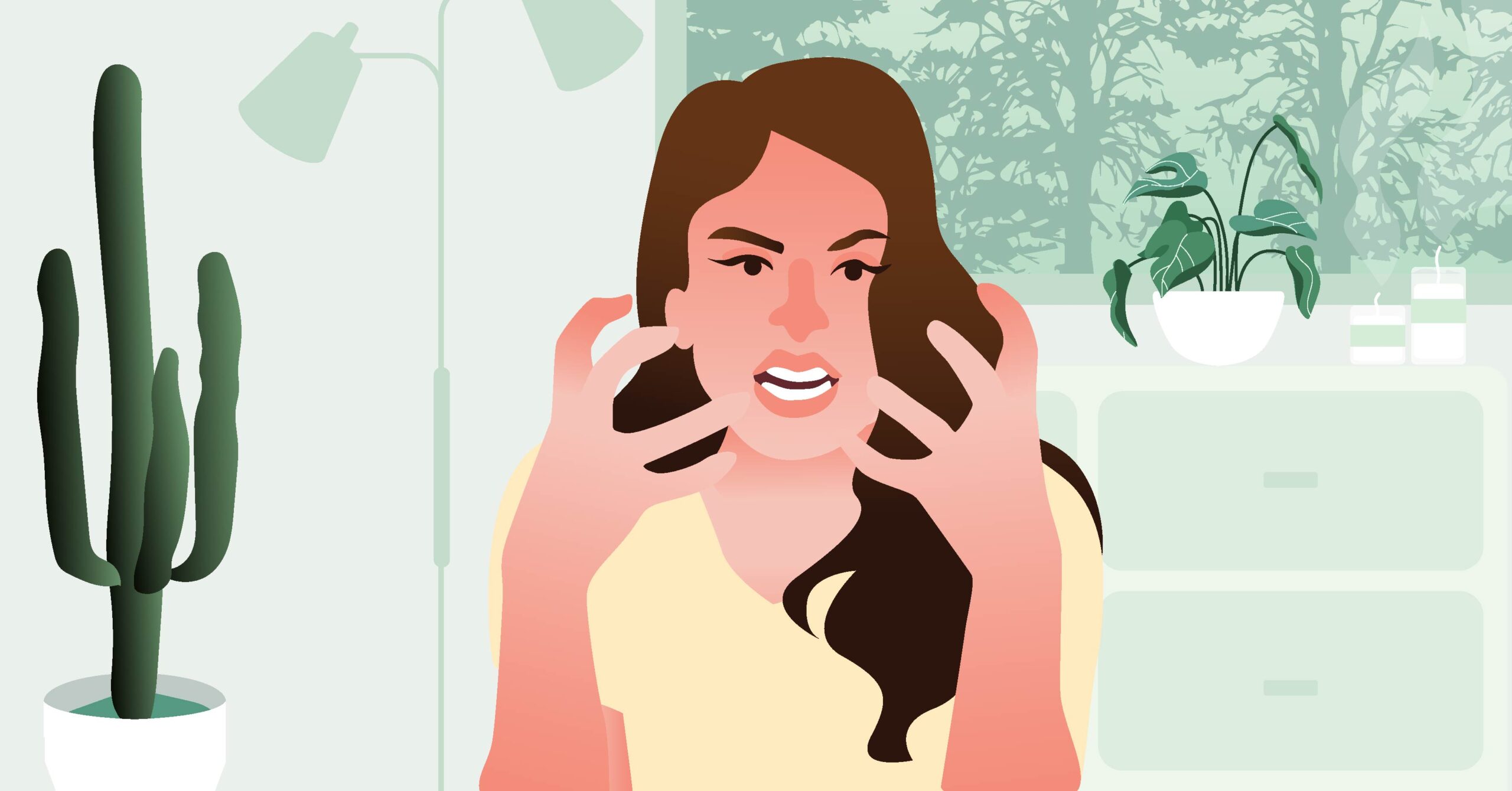
When your emotions are all over the place or you’re under such uncontrolled stress, there’s no filter when you’re expressing yourself. As a result, you may be sharing unnecessary information about your deepest pains and traumas with people who haven’t asked for it (or at least aren’t prepared for it).
5 They lack or have no safe outlets.

When a person doesn’t have close companions or access to professional help when dealing with trauma, the urge to turn to anyone nearby is strong and even automatic. And so, trauma dumping occurs.



How Trauma Dumping Can Affect The Listener
Yes, you heard us. Read through this section to learn more about how that is so.
1 It’s emotionally overwhelming.

No one wants to have or deal with trauma, but unfortunately, that’s how life works. We can never tell or predict the succession of our lives, whether or not they lead us to good or harmful things. So when someone decides to release unsolicited trauma, the listener may feel a flurry of emotions. They may feel drained or exhausted, given the gravity of said trauma, and even told repeatedly. Anxiety or being upset is possible, too, when the emotional weight is too much.
2 It may touch their own mental or emotional struggles.

Trauma dumping may potentially trigger a listener’s trauma and wounds, leading to sadness, emotional dysregulation, and even mental illnesses. It’s even worse if they go unaddressed and unattended. As a result, the burden can strain the relationship between the dumper and listener, eroding the safety between them and leading to avoidance.
3 They may feel guilt or obligation.

When someone suddenly trauma dumps, the listener may feel guilty if they have the urge to walk away because they’re not comfortable in that space. They may even sense an obligation to say something like advice, even if they’re unqualified or incapable of doing so. There’s also a sense of burden at the moment to be emotionally available and okay, even if they aren’t at the moment. In other words, they struggle to say no in this situation.



4 It makes the environment feel unsafe.

Especially if the place is in public or at work, it becomes difficult to look past the discomfort and awkwardness that arise. Work-related boundaries may also be trespassed here, which may affect your performance. Mistrust or fear of having future conversations with them may surface, too, because they’ve become vulnerable to you, so they can’t let you just walk free knowing that you have info on them.
5 You may experience compassion fatigue or burnout.

When you’re someone who willingly exposes themselves to the trauma of others, you may experience a lack of compassion because your tank has gone empty. In turn, you may even become emotionally detached and even helpless because all that trauma wiped away your joy and contentment.
Signs You’re Trauma Dumping

Being a trauma dumper out in the open can look and feel like:
- Yapping away without wasting a breath
- Bringing up your traumas during inappropriate times
- Telling people you don’t know about your traumas
- Frequently repeating the story to other people
- Lack of or no consideration towards other people’s thoughts on your story
- Having no relief in expressing yourself
- Not having any solutions planned to solve it
- Posting details about your trauma online
Questions to Ponder On To Figure Out If You’re Trauma Dumping

It’s helpful to stay aware of how you express yourself, unraveling if you’re just venting or doing the opposite. Some questions you can ask and reflect on are
- Who am I telling this to?
- Why am I sharing this with them?
- Where are we having this conversation?
- Have I told them this before?
- Did I consider whether or not this content is worth telling them?
- How frequently have I been telling this story to other people?
- What are other ways for me to process this?
- How can I build a sense of trust or a connection with others that doesn’t involve sharing my pain or traumas?



How to Deal With Someone Who is Trauma Dumping
This section is very important as trauma dumping can be unexpected, which can just change your mood for the rest of the day and even impact how you view yourself. Take fervent and clear action through the section below.
1 Set boundaries!

This tip is very important, as this is what separates trauma dumping from healthy sharing or venting.
Be respectfully direct with them right before they open their mouth. You can word that out by saying, “I care for you, but I’m currently not in the right mindset to hold space for that.” or “We can speak for a few minutes, but I must attend to something important right after.”
You may even suggest to them that they seek professional help, enabling them to take further and better action to resolve their traumas.
2 Create a safe space for them to talk.

Once you enforce your boundaries and are emotionally able to take on their trauma dumping, let them know you care and are willing to listen. But again, you must remember your emotional capability. For instance, you can address it like “I want to support you, but I need us to have this conversation at a better time.”
3 Be there for them.

Trauma dumping can come from a place of loneliness, as mentioned above. And so, listen to them without judgment. Offer empathy and presence without being their only outlet. Validate what they’re feeling with statements like “That sounds challenging to deal with,” while remembering that it’s your job or duty to solve their pain.


 Hot
Hot

4 Suggest practical solutions.

Carefully lead and inform the trauma dumper about healthy coping mechanisms they can reach out to as they deal with their pain. And hopefully, take action to heal from it. This is a much better path than giving them unsolicited and inauthentic advice, asking if it’s worth venturing or giving it a try.
Some examples of practical solutions include, but are not limited to:
- Practicing mindfulness
- Journaling about their traumas (brain dump all their thoughts, where the trauma came from, what it made them feel when it was fresh, what they learned, etc.,)
- Joining support groups aligned to their trauma/troubles
- Setting goals
These solutions may vary depending on the gravity of their traumas, so tread lightly.
5 Seek professional help.

At the end of the day, this tip will always be the most encouraged one. Trauma is trauma, big or small, and working on it with a professional makes a bigger difference. It’s what they trained for, and they also offer more personal advice and solutions that can further help the trauma dumper.
If the emotional weight or baggage that the trauma dumper is carrying is too much for you, suggest that they talk to a therapist or counselor. Even if it’s not a big issue and you’re emotionally unable to process what they’re going through, suggesting a professional is more ideal. Plus, it honors your boundaries and encourages more self-respect on where to politely draw the line.




Takeaway
Trauma dumping is rooted in unhealed pain and stress, not bad intentions. It is not the same as venting to a close companion, wherein it’s consensual, considerate, and an open conversation to share input and take eventual action. While it’s understandable that we all need a space to be heard and seen, we also must respect the emotional capacity of others. Even those who are at an “okay” place have their down days, too. Plus, you have to be responsible for where you put your energy and what things are worth dealing with.
By cultivating an open space for everyone to talk and share, getting consent from everyone beforehand, and seeking the appropriate help, we can foster healthier relationships and more compassionate and considerate communication.
For more culture-related guides such as this one, explore more on the Lauvblog here.