
Pursuing a 50/50 relationship may sound fair and hold good intentions in theory. But that may not be the case in the long run. Not everything can be exactly split down the middle, and when it isn’t, that shouldn’t be enough basis to end a relationship either.
Let’s discuss more about this relationship down below.
What is a 50/50 Relationship?
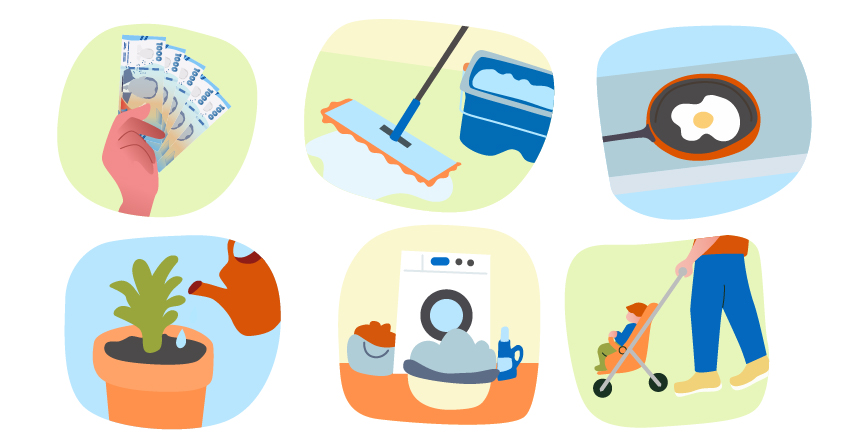
A 50/50 relationship usually refers to a romantic and long-term partnership wherein both partners contribute equally and exactly in various aspects. It can be from household duties and chores, quality time, emotional availability, and even financial support and responsibilities. Moreover, it can look like alternating between paying the bill when you’re eating out, splitting the cost of paying for gas in two, or doing the laundry while they fold the clothes.
It’s rooted in fairness and balance, as there’s been a lack of in history, wherein in a heterosexual relationship, the husband works to provide. At the same time, the wife stays home to maintain the household and kids. Almost like flexibility is offered here, too.
Setbacks of a 50/50 Relationship
While the intrigue towards this approach is real and valid, it doesn’t seem feasible and sustainable over time. In this section, we’ll explore more about the various setbacks a couple can face if they choose to go down this path.
1 It’s unrealistic.

As mentioned from the beginning, not everything can be split in a relationship. The tangible items like money for rent, food, and your shared closet if you live together are possible, sure. But the abstract things like love, attention, and emergencies can’t have a line drawn. And doing so is limiting and even lessens the intimacy between partners because you’re only willing to give this amount of energy and effort to them. It’s even worse when you want to give more at times.
Moreover, there will be waves throughout life wherein one partner will give more than the other. For instance, someone gets sick and the other helps them recover. Or maybe one partner quits their job to look for another, so the other covers rent in the meantime.
Overall, the approach of a 50/50 relationship is rigid and doesn’t allow growth between partners.
2 It encourages a scorekeeping mentality.
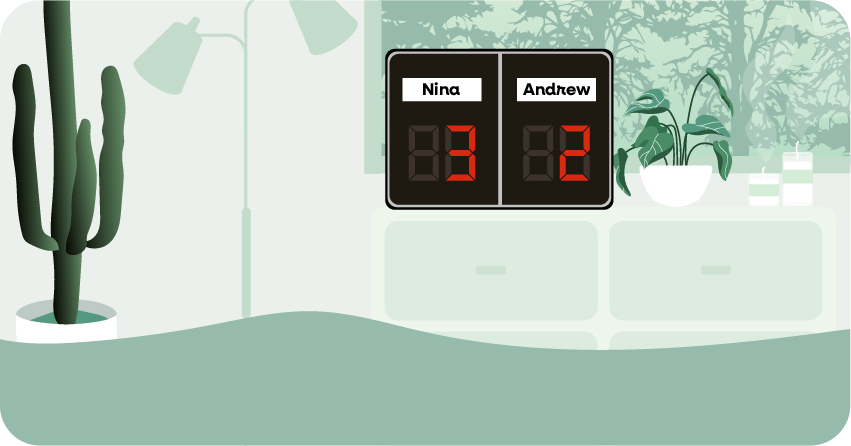
Anything involving numbers can make the bond transactional and make it a competition. In a 50/50 relationship, it may urge partners to track the other’s contribution regularly or even just a flicker of a thought in their heads. It can look like “I did the laundry and arranged the pantry. Why haven’t you prepped tonight’s dinner yet?”
That can create tension and resentment between partners as if they aren’t “pulling their weight.” So much for bringing harmony and balance alright. In other words, not everything needs to be measured, nor does its worth need to be determined in such a way.
 Sold Out





3 Financial imbalances may cause strain.
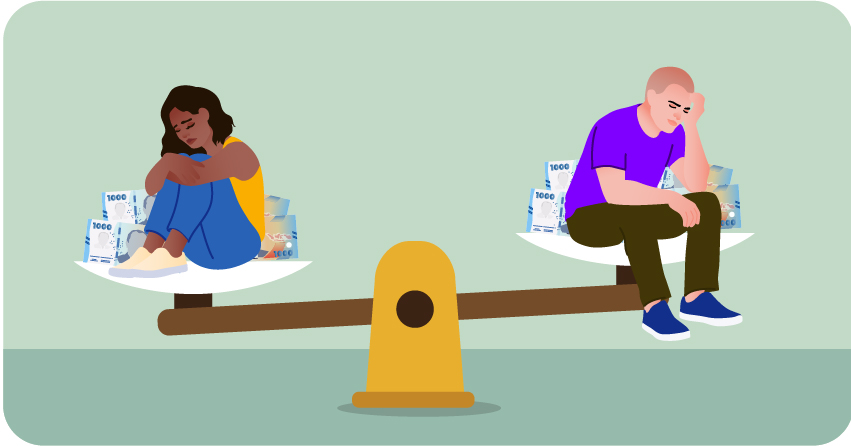
If you’re dividing your finances into 50/50, that’s literally a disaster that can hurt both partners. Whether you’re still starting out on dating or even fully committed (e.g., married), having this division can already make out which partner earns significantly less or more than the other. This can lead to power imbalances or guilt when something requires money.
For example, you’re out on a date at someplace fancy, but you’re struggling to pay your other half. A true partner would be willing to shoulder it (or even find a different place to eat). But in a 50/50 relationship, your partner would take it against you and give you prejudice for not earning enough.
Another scenario is paying rent. If your partner earns ₱65,000 a month while you earn ₱30,000, paying 50/50 is not fair to either of you.
4 There’s poor communication between partners.

If there’s one thing that’s important when in a relationship, it’s effective communication skills. Being able to know more about each other, discuss important things, express your thoughts on certain issues, and find a compromise when conflicts arise, effective communication can provide you with just that.
But in a 50/50 relationship, the two of you are more focused on being equal than allowing yourselves to be vulnerable and open. Relationships thrive when you can act that way towards each other, wherein it’s okay to not be okay and tell them about it. A lot of bonding comes from talking about the parts you’re ashamed of or hide away, so when it’s always 50/50, you halt such bonding. In other words, there’s a lack of emotional availability.
The relationship would feel as if you’re more like business partners, especially when everything feels transactional when you stick to your own half and vice versa.
 Hot
Hot



5 It pressures people to always be “on” and available.

A 50/50 relationship would mean being available constantly to give your share to your partner and vice versa. That way, things work out well. However, when you always say yes to things without thought or considering your current state, it can easily lead you to burnout. You may even shut off from everything in life as your mental health is negatively affected.
Hence, being mindful of where you are and what you’re feeling is important so you can show up in the way you want for yourself and your partner. Don’t be mindless in making decisions, and be honest with your struggles.
6 It ignores individual strengths and preferences.

Pushing through with a 50/50 relationship in every area and aspect can disregard what each partner brings to the table. Instead, they’re only doing the bare minimum there while being thrust into other aspects that they’re not confident in. All with the expectation that they give their share.
This is unfair because there are certain things that one partner can do and handle without question, and create harmony. Dividing that and having someone else do the rest may further cause a rift between them. For example, one partner is good with kitchen-related tasks, from cooking to dishes. But in this approach, they give up cooking to their partner, who can’t even cook an egg.
If you think about it, delegating certain tasks to one partner that they know they’re good at isn’t unfair. You’re encouraging them to bring in more happiness and support. What’s unfair is doing a task you’re not confident in, yet committing just for the sake of giving 50/50.
Relationships thrive when partners play to their strengths!
Solutions to Take Instead
Instead of giving and receiving 50/50, there are many other approaches you can take to have balance in a relationship. Those approaches include:
1 Flexibility over fairness.

Focus more on the big picture rather than being nitpicky at every moment. In other words, achieving balance over time over every single day. There’ll be weeks where one gives more than the other and vice versa. Trust is valuable here, being aware when distribution of efforts occurs and remaining committed regardless.
2 Communication over calculation.

Rather than trying to even things out, which is what a 50/50 relationship aims for, talk things out. If something feels off or one-sided, be honest with each other and speak up about what’s overwhelming you. Passive-aggressiveness over exactly divided tasks won’t get you anywhere, but checking in with each other does. Plus, it promotes overall maturity and respect towards one another.




3 Finding your definition of equality and balance.

Equality and balance looks different per person in a committed relationship. It doesn’t necessarily do the same things and divide everything as perfectly as possible. It’s when both partners feel seen and supported by one another. One is in charge of paying the bills while the other does the groceries and cooking. That’s fair. That’s teamwork to them.
4 Give 100%!

Don’t give half-assed energy in a relationship. Ever. Instead, go all in. Show up as your full self, eager to grow and learn from one another. Being able to compromise when necessary and be each other’s support system. Forget about division; give your full dedication to one another instead.
More Tips on How to Create Balance in a Relationship
Aside from the ideas above, achieve balance in your relationship (current or future) through this informative section. Thank us later!
1 Check in with each other regularly.

Check-ins improve communication skills among partners, especially when done constantly and genuinely. When checking in with each other, talk about what’s working well in your relationship and what can be improved.




2 Be generous and genuine with your share.

When you’re helping them out, do it because you care for them. That you want them to feel comfortable and at ease. Not because you want to hold this task over them, but because you want to pull your weight.
3 Acknowledge the invisible labor.

Invisible labor can look like emotional support, remembering certain events (e.g., each other’s birthdays, picking up dry cleaning, etc.), and mental load. Pay attention to them and reach out when you can.
4 Always show appreciation towards each other.

Especially in the little things! They all build up in the long run. Compliment how they look in their outfit. Tell them that they’re doing a good job on their task. Say thank you whenever you can, as gratitude boosts both your mood and builds a connection between you two.
5 Practice responsive giving over reactive giving.

Responsive giving is led by generosity and true care for the other person. You initiate before they plan on doing anything. For example, they took you out for a movie date and you both loved it. It’s their thing to plan dates. But when you discovered a new museum nearby, you took a shot and invited them to go with you as a date. This creates a loop of positivity, wherein both partners feel safe to give and initiate rather than feel obligated to do so.





Takeaway
A 50/50 relationship is almost in line with having the perfect relationship. But newsflash: there’s no such thing as perfection, let alone a perfect relationship. Instead, following the 50/50 approach makes you go high alert and place every action in a scoreboard. The intimacy and connection don’t have room to grow. With that in mind, aim for a relationship wherein balance and effort aren’t based on numbers. It’s when both partners feel safe, loved, and completely committed to one another.
For more relationship-related guides such as this one, head on over to the Lauvblog here.