
There are several sexual orientations out there, especially when they’re fluid in nature. One of them is greysexual, and if you haven’t heard of it, this guide is for you. Let’s dive into this topic further here, breaking down the different characteristics, types, and a whole lot more.
What You’ll Learn
- What greysexuality is
- Greysexual vs. demisexual
- What being greysexual can look and feel like
- Myths and misconceptions about greysexuality
- Questions to ask when navigating greysexuality
What Being Greysexual is

Greysexual, or greysexuality, is a sexual orientation under the asexuality spectrum. Asexuality is when someone doesn’t experience any sort of sexual attraction. Moreover, a person who identifies as this is in the area between asexuality and sexuality. Hence, they’re like in the grey zone between both identities, further showing that not everything is black and white.
While sexual attraction can be minimally present to them or not at all, they can still garner romantic attraction towards someone. This person in question can be someone who is also greysexual or sexual. Other terms for greysexuality are grey-A, grey-ace, and grey-asexuality.
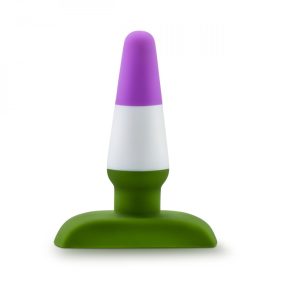
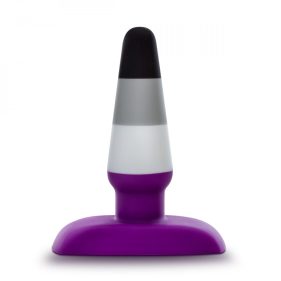
The greysexuality flag features the colors purple, white, black, and grey. Each of which represents different things. Purple represents the asexual community while white signifies allies of such a community, from the non-asexual partners and more. Black represents the entirety of asexuality, then grey signifies those asexuals who find themselves within the broad and fluid spectrum of asexuality, from greysexuality to demisexuality.
 Sold Out


Greysexual vs. Demisexual: What’s the Difference?
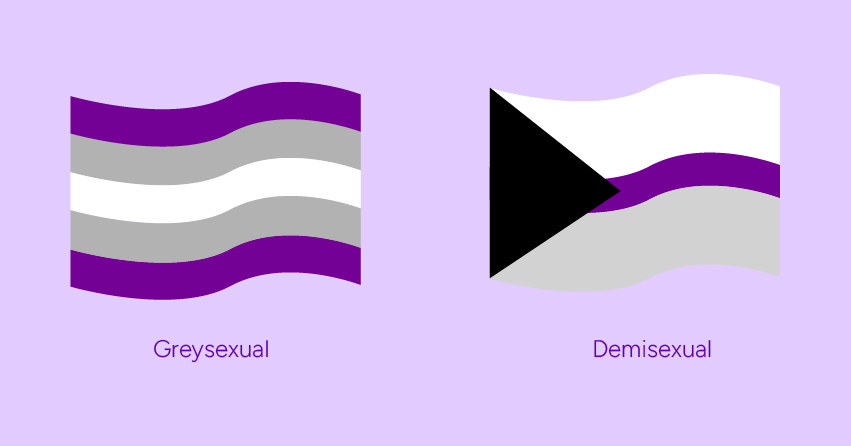
As mentioned, being greysexual means having little to no sexual attraction towards another person. Being demisexual is when you garner sexual attraction with someone you’ve built a strong emotional connection with first. You don’t need to forge said emotional bond with someone if you identify as greysexual.





Can Greysexuals Feel Other Kinds of Attraction?

Yes! Sure, the sexual aspect is lacking or non-existent, but that doesn’t limit them to other types of attractions out there.
Such types would include:
- Sensual Attraction: Being intimate with someone without any sexual attraction behind it (e.g., hand-holding)
- Financial Attraction: Liking someone based on their standing and views on money and finances
- Spiritual Attraction: Feeling attraction towards someone who may share the same worldwide beliefs and religion as you, or you’re into their outlook
- Emotional Attraction: Craving for a deep emotional bond with someone
- Romantic Attraction: Viewing someone with romantic feelings and wanting to pursue a romantic relationship with them
- Platonic Attraction: Viewing some people around you as a close friend or companion of yours
- Aesthetic Attraction: Feeling attraction towards someone’s physical appearance
How Does Greysexuality Look or Feel Like?

Well, greysexuality feels different per person. It can look like either of the following characteristics:
- Expressing love and care towards their partner in non-sexual ways, such as cuddling and having deep talks with them
- Feeling sexual attraction every now and then, but not often
- Still feeling sexual excitement and arousal, but little attraction, and not doing anything about it.
- Viewing sex as something they don’t prioritize or find important, like those around them
- Feeling sexual attraction in certain situations




Greysexuals and Sex

While we discussed some common characteristics above, Medical News Today adds various categories where a greysexual can view sex.
- Sex-averse: Feeling repulsed, avoidant, or full disinterest towards any situation related to sex
- Sex-indifferent: Not actively seeking sex nor seeing it as something intimate, but may potentially engage in it if they were in a relationship
- Sex-favorable: Enthusiastic and willing to compromise on sex with their partner, and find pleasure in it



Greysexuality and Romantic Relationships

Being greysexual may mean having various romantic orientations, some of which may be more distinct to you. Sexual and romantic orientations are very different from one another, focusing on different aspects. However, there are lots of terms under their umbrellas and may stay the same or change over a long time. They’re all fluid.
So, for instance, you can be greysexual and also be:
- Heteroromantic: Having romantic attractions towards people of the opposite sex
- Homoromantic: Having romantic attraction towards people of the same sex
- Aromantic: Having no romantic attraction towards anyone of any gender
- Demiromantic: Having romantic attraction once an emotional bond was developed
- Polyromantic: Having romantic attraction towards many (but not all) genders
Myths and Misconceptions of Being Greysexual

Let’s debunk some wrong views of this sexual orientation down below.
1 It’s just a phase.
Being greysexual isn’t something you can just “get over” and move on from. It’s a valid identity and shouldn’t be shunned simply because you lack the knowledge about it and refuse to learn more of it to understand the person who identifies as such.
 Only 1 left
2 They don’t want to start a family.
Some greysexuals are eager to engage in family planning, using their minimal sexual attraction to do that. It also makes having sex for them more intentional. Thus, not all greysexuals are adamant about this chapter of their lives.
3 It sabotages relationships.
A person who is greysexual can have happy, healthy relationships, whether or not sex is involved. A healthy relationship is built on factors such as open communication, honesty, and mutual trust to function effectively. Moreover, it’s key to have an open dialogue about your relationship and regarding sex. Whether it’s something you engage in every now and then or how often you want to do it, it’s always best to be clear and aligned to stay on the same page with one another.
4 Your libido is low.
Hasty generalization! Just because you feel limited to no sexual attraction, that doesn’t correlate to having low sexual drive or even arousal. Sexual attraction and libido are two different concepts. Someone who is greysexual is capable of feeling aroused, but they may not necessarily act on that sexual desire.
5 They hate sex.
Hatred and lack of desire are two different things. Sure, some greysexuals may be averse to sex, but hating sex is a stretch. Sexual attraction is part of our biology, wherein some can have a lot, a little, or none at all. Regardless of where you stand, it’s a known fact that sex is a pleasurable activity that most people like. And each person has different experiences in life and sex!
So whether you’re into it or not, it doesn’t automatically translate to hatred. Think of it as something you don’t prefer, wherein you still have good graces on the idea but don’t necessarily have such strong negative feelings towards it.


Questions to Ask When Navigating Greysexuality
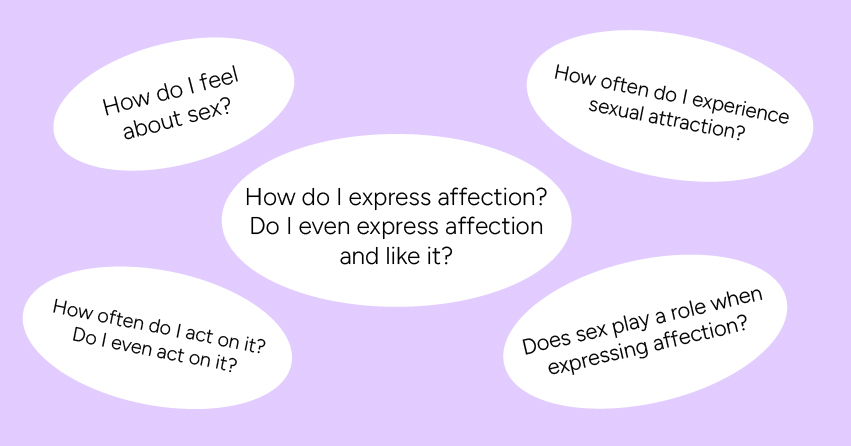
If you’ve been curious and pondering whether you identify with this orientation, these questions from us and Healthline will help you assess your stance. There are no right or wrong answers for you. Instead, you’ll gain a better understanding of who you are.
With that in mind, those questions include:
- How do I feel about sex?
- How do I act on my sexual desires?
- Does it feel natural for me to desire and have sex, or does it feel forced or pressured to desire and do it?
- How often do I experience sexual attraction?
- How strong or weak is this sexual attraction?
- Do I feel any sort of sexual attraction towards someone I want to date or be in a relationship with?
- How often do I act on it? Do I even act on it?
- How do I express affection? Do I even express affection and like it?
- Does sex play a role when expressing affection?
- Am I comfortable with identifying as somewhere in between asexual and allosexual? Why and why not is that the case for me?
Tips on Navigating Greysexual

If these questions above lead you to the conclusion that you resonate with such, this section is dedicated to guiding you on your next steps to acceptance and full self-expression.
1 Be honest and compassionate with yourself.
As you learn more about yourself, it can be eye-opening, exciting, and challenging. With the latter, it’s easy to be hard on ourselves because of our differences from others. The whole “why can’t i be normal?” or just like the rest of them, so you wouldn’t be dealt with such stress of learning something that is still not so well-known to most people. In that case, you must allow yourselves to be gentler in your self-discovery journey, as everyone is really built differently.
We have different bodies and experiences that make our lives more distinct from others. Words like “hey, you’re doing okay. you’re learning.”, “you’re unique and special as you are.” or “you are a wonderful contribution to the world,” can give you much-needed reassurance and teach you self-trust in moments of hardship. It may be difficult in the moment, but it does get easier as you continue to show up for yourself.
Then, in terms of honesty, refrain from denying or lying to yourself during your self-evaluation. It’ll only make you put on a facade to yourself and others, which isn’t fair. Self-awareness and eventual acceptance are key to being able to navigate greysexuality. You gotta be your own best friend here more than ever!
2 Educate yourself more on this orientation.
Let the internet be your oyster. Aside from this guide of ours, there are many sources and platforms you can refer to when learning about greysexuality. You can also visit any local LGBTQIA+ offices or centers to learn more about it and potentially find a community. Make learning and studying a habit!
3 Connect with people who also identify as greysexual.
More than ever, community is vital when you discover that you’re greysexual. You can only learn so much on your own. Other people’s experiences and stories may give you more peace and make you feel seen and heard.
Connection can be through physical or virtual means, with safety at the forefront at all times. For instance, look up online on various platforms like Facebook, Instagram, Tumblr, and even Reddit to converse with other greysexual people.
As a bonus, you can personally meet them if they’re from the same city as you and build friendships. However, be cautious and careful again! Other than that, such connections make you feel less alone and more attuned to your true, authentic self.




4 Surround yourself with those who trust and make you feel safe.
Back to the importance of community! More than ever, spend time with those who matter most to you as you go through your self-discovery journey. You’re not alone in this! It’s also best when these people are open-minded and accept you as you are, regardless of the real bond.
5 Be open about your orientation at your own pace and in your own time.
Coming out is something delicate and should be treaded carefully as it comes along with a sense of vulnerability. That’s what makes it scary, but the breath of fresh air it comes after when you tell the right people is immaculate. Moreover, you must take your time accepting this side of yourself before sharing it with others.
And to add, you have to let the right people spare you the pain and discrimination when you put yourself out there. Again, the whole process should be treaded carefully and on your own terms. It’s your own self-discovery journey after all, and there’s no rush in sharing this part of yourself.


 Hot
Hot

Tips on Being an Ally

If you want to support someone who is greysexual or the LGBTQIA+ community as a whole, this section has the tips you need to do so. Happy reading!
1 Use the right language.
Words hold a great deal of power, so it’s essential to be mindful of how you speak to someone. Even more so in the LGBTQIA+ community, who are easily misunderstood by others. In this case with greysexuality, avoid phrases like “it’s just a phase”, “so you hate sex?”, and “oh wow, so you don’t get aroused or what?” that may offend them.
Instead, talk to them gently and intently when learning more about this orientation. You can say “You’re valid.”, and “I support you.” Don’t hesitate to ask questions about what words can be used or not, so you have a better understanding of how to communicate with them. Plus, they’ll appreciate how considerate you are with them.
2 Learn more about what’s happening in the community.
As mentioned earlier, the internet gives you access to so much information. Literally like an oyster. When you want to support the community, read articles and refer to online and even offline sources to stay updated and be included in the circle of news. If there’s an event coming up soon, you can already book it on your calendar!
3 Support them.
This tip can go different ways. It can be attending an event dedicated to learning and celebrating greysexuals, signing a petition to pass a bill that protects the LGBTQIA+ community from discrimination, and joining open dialogues that uplift them.
4 Listen to them.
When someone comes out to you, be open to what they have to say as they’re in a vulnerable position. Being an active listener gives them the comfort and safety they need as they share this side of themselves. Moreover, active listening gives you a more open mind, reminding you just how diverse the world is and providing you with new knowledge. It’s a learning experience, and you’re also able to help someone in the process.
5 Speak up when necessary.
Not everyone may know what greysexuality is, so ignorance leads to judgment, discrimination, and prejudice. It can make those who identify with such feel small and invalidated. If you clock someone speaking ill of someone who is greysexual, call them out for it. You can also educate them about it to make the world a bit better. This goes whether or not they accept this knowledge.

Summary
- Being greysexual means finding yourself in the middle of asexuality and sexuality.
- It may mean you’re completely averse to sexual attraction, favorable to it, or somewhere in between. Those who are greysexual have their own unique experiences with it.
- The difference between being greysexual and demisexual is that the latter would garner a deep emotional connection before feeling sexual attraction while the former doesn’t need it.
- You can be an ally by using the right language, staying updated in the community, supporting and listening to them, and speaking up for them when the situation calls for it.
- Moreover, greysexuality is a valid orientation and worthy of respect, whether it’s one’s main identity or a part of it.