
Disclaimer: This article about What is Sex is based on general information from various online resources and should not be considered as professional medical, legal, or mental-health advice. Always seek guidance from qualified healthcare providers or trusted professionals for personalized information.
Sex is key among human relationships (within ourselves and others) and our personal identity. Yet over time, people developed misconceptions about it and/or had limited knowledge of what it is, how it works, how to engage in it safely, and so on. Many factors come into play here, but beyond that, it’s time we get a proper guide that’ll actually help you in the long run and encourage you to make better-informed decisions.
In other words, it’s this guide! Over here, we aim to offer a comprehensive and inclusive overview of what sex is for readers of all backgrounds.
What You’ll Learn
- What sex is and how it’s defined
- Why sex isn’t talked about enough
- Reasons people have sex
- Phases of the sexual response cycle
- Key parts of a great sexual experience
- The variety of sexual behaviors people may engage in
- Benefits of sexual activity
- Why consent is essential
- How to determine if you’re ready
- Components of great sex
- Important tips for safe, healthy sex
- Standards of proper sex education
- Resources for further learning
Definition

Sex can be defined in so many ways. In this case, sex is a physical activity between people (or yourself even) wherein they stimulate each other’s genitals for pleasure. But it’s backed up with a lot of emotional intimacy between those involved, which would then strengthen their sexual intimacy.
It can also mean the biological characteristics that define humans as female or male (e.g., genitalia), but that’s reserved for another guide at another time.
Reasons Why Sex Isn’t Discussed More
Sex is vital, but what’s hindering it from being a normal topic to learn, access, and educate those around you, and even you? Well, these reasons include:
1 Cultural taboos

In certain countries, cultures, and religions (e.g., Catholicism), they view sex as a sacred and sensitive topic. It’s not something to be disclosed in public, either, or else the person gets shamed for it. It’s also a topic reserved for married couples, as doing it premaritally is a sin. Plus, it’s a sin for same-sex couples to have sex. As a result, misinformation can spread, and there’s no safe space to ask questions about it.
 Sold Out
 New
New

2 Social stigma

Stigma elicits emotions of shame, guilt, and discomfort by labeling a topic as “abnormal” or “unusual”. In this case, social stigma towards sex has been common over the years.
Examples of this would be:
- Not having laws that protect sexual minorities (e.g., SOGIE Bill or Senate Bill No. 689)
- Labeling people negatively based on their sexual history or identity
- Policing women’s and marginalized genders’ sexuality more harshly
- Shaming people who seek information about sexual health
- Treating sexual curiosity as immaturity or irresponsibility
- As a result, people would choose to remain silent to avoid judgment.
3 Lack of comprehensive sex education
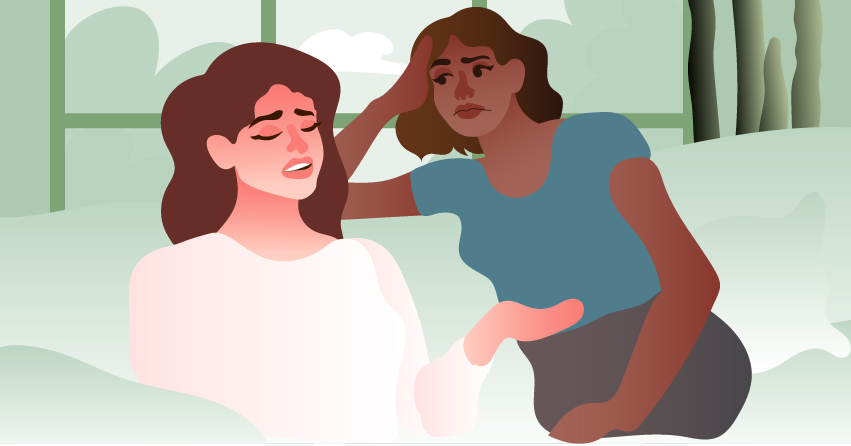
It’s disappointing how universal this reason is! Until now, sex education in certain areas is:
- Abstinence-based
- Biased
- Limited
- Not taught at all
There may be a lack due to the reasons above, along with numerous other assumptions. Those assumptions are:
- It’ll automatically urge people to have sex.
- It meddles with childhood innocence.
- It’s improper.
But that’s not really the case. Without proper structure on sexual education, it leads to a lack of proper knowledge, vocabulary, and confidence when they garner an interest in sex. Especially on the importance of using protection to avoid STI transmission and unexpected pregnancies!
In the Philippines alone, there’s been a 35% increase in teenage pregnancies among teenagers aged 15 between 2021 and 2022 (Save the Children, 2024). The lack of comprehensive and adolescent-friendly sex education (and access to it) comes from poverty, religion, and stigma. Moreover, it leads to major complications between mother and baby.
4 Lack of safe spaces

Safe spaces are places where people feel confident expressing their thoughts and feelings without fear of judgment or discrimination. On the topic of sex, safe spaces can look like an open-minded and supportive family and friend group, sex-positive education in your community, trusted healthcare providers, and counselors. Having at least one of these outlets can put you more at ease to discuss sex and your curiosities around it. But without even one safe space, it becomes challenging to express your sexual side in real time.
5 Fear of “encouraging” sexual activity
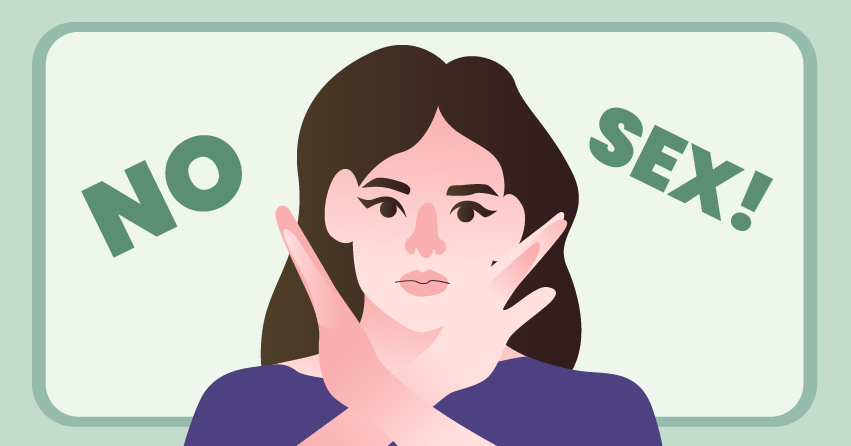
We mentioned this in the earlier points. There are numerous families and people (specifically from the older generations) who wrongly believe that learning sex automatically means encouraging it. But that’s a hefty generalization! Statistics from the National Survey of Family Growth show that young people aged 15-19 are “50 percent less likely to experience pregnancy than those who received abstinence-only education.” (Advocates for Youth, N/D).
Even when research proves those traditional beliefs are wrong, those very families and people continue to hold on to them. In turn, those discussions become nonexistent.
 Hot
Hot



6 Sexual double standard

The sexual double standard is how various sexual behaviors are judged differently based on sex or gender. An example would be during the British Regency era (and even earlier than that), women stayed silent and clueless about sex and needed to stay chaste. At the same time, men had to be knowledgeable about it. To be knowledgeable about it, they frequent brothels and have mistresses before they get married. That way, it’s something they can teach their chaste partner.
If we’re talking about sexual double standards in modern times, a great yet unfortunate example is how women get shamed for sleeping around while men get celebrated for it.
It’s standards like this that make it more difficult to open up the floor for sex and anything else related to it.
7 Misinformation and media distortion

Different forms of entertainment (e.g., TV shows, films, etc.), ethical pornography, and even social media often depict sex in an unrealistic and overdramatized way to attract more attention. Since a lot of people get introduced to sex through such, they already have a warped first impression of it. As a result, those portrayals can spark greater pressure and confusion, making it more difficult to discuss actual experiences and the challenges surrounding them.
8 Inconsistent or complex terminology
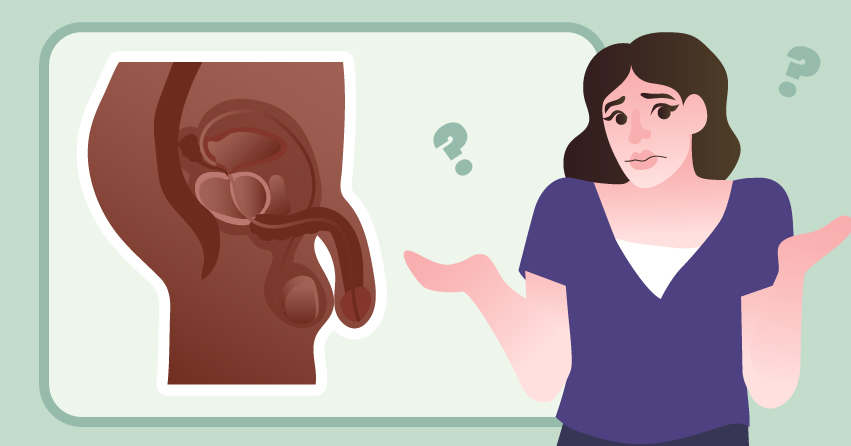
Without clear, medically correct, and culturally respectful terminology, discussions about sex and sexual health remain vague and often confusing. The International Technical Guidance on Sexuality Education (ITGSE) by UNESCO and WHO emphasizes that comprehensive sexuality education (CSE) should include accurate information about anatomy, physiology, relationships, consent, and sexual and reproductive health.
When educators or communities fully rely on euphemisms or slang (e.g., “private parts,” “down there,” or other pet names) instead of correct anatomical terms, young people may lack the language to describe their bodies, understand changes, or communicate discomfort.
As argued by Sex Education Australia, using proper names like “vagina,” “penis,” “testicles,” or “vulva” helps children feel supported when learning about their bodies and ensures clarity if they need to report abuse or ask questions. These terms aren’t vulgar as society likes to portray them; they’re the real deal.
Moreover, WHO notes that sexual health, which includes the capacity for safe, consensual, and informed sexual relationships, depends on access to high-quality, accurate information.
Without consistent terminology, misinformation prevails, misunderstandings proliferate, and stigma is reinforced. This undermines an individual’s ability to make informed, safe, and respectful choices about their bodies and relationships.
9 Generational discomfort

Many generations before us, from your parents, caregivers, to grandparents and beyond, viewed sex as a private topic. Those times were also conservative, so sex isn’t something you’d talk about out in the open over a meal, in contrast to today. Because of that, it became awkward and challenging for them to talk to you about it as you grew up. Feelings of shame also surface. Then, from your point of view, you lack the necessary information to learn about sex, and you tend to have unanswered questions, as your caregivers didn’t know how to either approach the topic or had no idea what you were asking about.
This time around, let’s do our part in breaking this generational cycle!
10 Fear of vulnerability

Sex as a whole is a vulnerable topic. We all have our own takes on it. Because of that, you don’t want to put yourself out there where people can judge, embarrass, or even reject you.
What all these different reasons have in common is the need for open conversation to improve safety, consent, and pleasure for those involved. That way, everyone gets to express themselves freely.


Why Do People Engage in Sex
People have sex for a flurry of reasons. Some of which can be a bit mixed or purely one intention all throughout. Check out this section to learn more about that.
1 Attraction

When you catch yourself feeling attracted to a person, whether it’s physical, emotional, intellectual, etc, you’d want to get closer and intimate with them. Aka sex! That’s because the driving force behind attraction is linked to chemistry, connection, and the natural human response to being drawn to someone. No man is an island after all.
2 Body Exploration

Exploring your body lets you know what feels good and pleasurable, alongside what boundaries you want to set (e.g., don’t touch me here, i don’t like to do this type of sexual activity). This also helps you develop greater body awareness, self-confidence, and a sense of personal identity. In terms of sex, it grants you this very experience. Whether it’s solo play or with a partner, you learn more about your body (and theirs, too) like no other.
3 Stress Relief

Sex releases a flurry of hormones throughout the process. Those hormones are endorphins (pain-relievers), oxytocin (the love hormone), serotonin (the happy hormone), and dopamine (the reward hormone). Generally, they improve your mood, promote relaxation, and bring you closer to your partner.
4 Deepening of Bond

Sex is advantageous when it comes to emotional bonding. The intimacy, trust, and vulnerability involved here can increase relationship satisfaction and deepen connection. It can also express long-term commitment and emotional intimacy between partners.
5 Expression of Feelings

Those feelings can be “I love you”, “I want you”, and even “I hate you” if you safely engage in angry sex. But besides that, sex can serve as a meaningful form of communication that complements verbal expressions of emotion. You get to express to someone (or even yourself) that you care for and value them.
6 Fun and Enjoyment

Sex is a thrilling activity. That is a valid enough reason to do it. Pleasure, curiosity, playfulness, and excitement are also motivating factors here. As long as consent and respect are given, sex can be a life-enhancing and empowering experience for anyone.
7 Procreation

This reason applies to those who want to start a new chapter of their lives and are ready for this kind of lifetime commitment. Other than that, it’s a fundamental biological reason as to why people have sex in the first place.
Phases of the Sexual Response Cycle
Many things are happening when sex is on the table. That’s called the sexual response cycle, which is a certain order of physical and emotional changes that happens to someone when they’re aroused and ready to engage in sexual activities (Cleveland Clinic, 2017).
This cycle is broken down into 4 phases, wherein someone can experience it at different intensities and time frames. We have different bodies, so the response cycle can vary. Alongside that, the phases may switch or be absent.
Nonetheless, knowing what the original blueprint is can help you navigate your body’s inner workings. Let’s talk about those very phases down below.
1 Excitement (Desire)

This initial phase is triggered by a strong mix of physical and emotional stimulation, aka foreplay! That’s the key component that leads your body to be all hot and needy. It can last from a few minutes to hours, and some common signs you’re in this phase include:
- Increased blood flow, especially towards the erogenous zones (e.g., nipples) and genitals (e.g., penis, testes, labia, and clitoris)
- Increased heart rate
- Feeling hot
- Getting “wet” if you’re a vulva owner
- Getting “hard” if you’re a penis owner
- Flushed skin
- Tense muscles
2 Plateau

The signs and changes you experience from the previous phase intensify here until you’re on the brink of an orgasm. Your genitals may engorge more as there’s more blood flow coming in and darken (in the case of the vagina), increasing their sensitivity so that they can even hurt or make you flinch! Your body is also trembling during this phase, especially your hands and legs.
3 Orgasm

This phase is the main event! It’s the climax of all the bodily changes occurring, wherein they just release from you. It’s also the shortest phase of the entire cycle, lasting for a few seconds at most. Moreover, when having sex, it’s unlikely that all partners will reach this phase at the exact same time. That is, unless one partner can delay their own until their partner is near.
Aside from the release of sexual tension, more signs that you’re in the orgasm phase include:
- Ejaculation
- Heart rate, pressure, and breathing at their peak
- Deeper body flush or “sex flush.”
- Body twitching
- Vaginal muscle contractions
- Contractions in the base of the penis
4 Resolution

When you enter this phase, your mind and body start to unwind after all that intensity. Your swelling genitals and erogenous return to normal, followed by body fatigue. It can often lead to falling asleep right after or spacing out beforehand. But you also feel satisfied, especially when your partner is experienced and knows how to please you.
For vulva owners, they have a faster refractory period, which is the time period after having sex to the next one. It’s both physical and psychological. Moreover, it also means that they can easily bounce back for another round of sex. But for penis owners, their refractory period may be a little longer, from minutes to hours and even days. Regardless of genitalia or sex, this period varies per person.
This is also the best time to do sexual aftercare to transition back to reality and avoid post-coital dysphoria or post-sex blues.
The Building Blocks of a Sexual Experience
ICYMI, sex is more than just penetration. Let’s expound on the different parts of a sexual experience below.
1 Foreplay

Foreplay is a blend of sexual, non-sexual, physical, emotional, and psychological things we do to bond with our partner. It’s key to get aroused (hard for penis owners, wet due to lubrication for vulva owners) and prepare your bodies for the main act. This phase varies per person.
Some examples of foreplay are:
- Giving each other teasing grazes along their body.
- Complimenting each other
- Talking dirty (subtly or directly)
- Making out
- Hand-holding
- Cuddling
All of these acts can simmer up the tension and build trust between partners, further getting them in the mood. It also opens the conversation about boundaries and comfort levels, which is crucial, so it doesn’t make anyone nervous or anxious during sex.
2 Main Act

Now, this step can be anything. More specifically, it’s any sexual activity that the partners involved consented to do. It can be penetrative or non-penetrative; there’s no singular definition of what counts as sex.
Moreover, it’s the central act that partners engage in, involving pleasure, intimacy, and connection. It’s important to be aware and communicate with each other during this time to ensure you remain on the same page as them all the way through.
3 Aftercare

Sexual aftercare refers to a list of actions and activities partners can do after sex. The main objective is to provide care and reassurance after the intensity of sex. Gentle or rough, many emotions and physical movement are involved, and it can wear you out. This step is often ignored by most, which it should not be. Sexual aftercare reinforces feelings of security and safety, alongside aiding you in processing the emotions that arose from the deed. Plus, it just helps you recover before the next thing you need to do.
Sexual aftercare can look like:
- Talking
- Sharing your feelings
- Cleaning up after one another
- Providing food and/or water
- Napping together
- Tending to any injuries from sex
Beforehand, it’s important to ask your partner/s what types of post-sex activities they’d want to do. But you can also be spontaneous and ask them right after, just so they get the comfort and reassurance right away.
Types of Sex/List of Sexual Activities
Disclaimer: We’ve done our best to include a wide range of sexual activities, but this is not a complete list. Sexual expression varies widely from person to person, and many practices or personal preferences may not be represented here. Whatever activities you choose to explore, always prioritize clear communication, enthusiastic consent, and mutual safety.
What counts as “sex” varies from person to person. With that, let’s explore the different potential types of sex one can encounter in their life.
1 Penetrative Sexual Activities

- Penis-Vagina – A sexual act involving a penis (or strap-on dildo) inserted inside a vagina, penetrating the vagina for pleasure. This is also known as coitus.
- Anal – A sexual act involving a penis (or strap-on dildo) being inserted inside the anus or backdoor area for pleasure.
- Fisting – A sexual act that involves the gentle insertion of your hand inside your partner’s vagina or rectum, often forming into a fist. It provides a full, intense sensation that is pleasurable.
- Cockwarming – The act of inserting your penis inside a mouth, vagina, or anus without any movement, like thrusting. It can also happen right after the deed, maintaining your position for added yet more subdued pleasure.
2 Oral Sexual Activities

Oral sex is a type of sex that involves using your mouth, lips, or tongue to stimulate your partner’s genitals or anus (Better Health Channel, N/A). Activities that fall under here include:
- Cunnilingus – Oral stimulation of one’s vulva area. It’s also informally known as eating out.
- Fellatio – Oral stimulation of one’s penis and nearby zones. It’s also known as a blowjob.
- Analingus – Oral stimulation of one’s anus or backdoor area. It’s also called a rimjob.
- 69 – Simultaneous oral stimulation between parties. Usually facing their partner’s genitals, they can be lying down/on top, or even standing up. In turn, it resembles the number 69.
3 Non-penetrative Sexual Activities/Outercourse

Outercourse refers to all the sexual activities that involve penetration. Hence, you can also perform all the non-penetrative sexual acts.
- Fingering – A sexual act which involves the fingers stimulating the genitals, especially the vagina and anus.
- Handjob – A sexual act wherein the hands stimulate the penis or scrotum.
- Footjob – A sexual act wherein you use your feet to stimulate any genital.
- Thigh-Riding – The act of getting sexually stimulated by someone’s thighs, mainly when the receiver is straddling the giver.
- Frotting – The act wherein penis owners rub their penises against each other.
- Scissoring – The act wherein vulva owners rub their vulvas against each other.
- Tribbing – The act wherein a vulva owner rubs their genital against any body part outside the genitals.
- Navel Play – The sexual act wherein the navel area or belly button is stimulated. Techniques of pleasure include fingering, licking, blowing, and more.
- Breast Play – The sexual act of pleasing someone’s breasts, from the skin, areola, to nipple. Techniques of pleasure include sucking, licking, pinching, flicking, and kissing.
- Clitoral Play – The sexual act of stimulating one’s clitoris, which is the pleasure nub of a vulva owner.
- Syntribation – The act of rubbing your thighs for pleasure.
- Dry Humping – A sexual act wherein individuals can rub their clothed genitals together. They can be lying down with one on top, or one can be straddling the other. This act can also be done as a form of masturbation.
4 Self-Stimulation/Masturbation

Masturbation is the “self-stimulation of your genitals or other sensitive areas of your body for sexual arousal or pleasure” (Cleveland Clinic, 2022). It’s common and normal for everyone to experience in their life. Activities that fall under here consist of:
- Layering – Solo stimulation through individual to multiple layers of clothes underneath your genitals.
- Pillow Humping – A sexual act of rubbing your genitals, clothed or not, against a pillow. It’s also a form of dry humping.
5 Group Sexual Activities

Group sexual activities involve more than 2 people. Those activities would be:
- Threesome/N-somes – A sexual act that consists of that many people. It can be penetrative, non-penetrative, oral, or whatever the parties involved are interested in. In the case of a threesome, it can be between FFM (two females, one male), MMF (two males, one female), or same-sex groups (all males or all females). These arrangements can also apply to n-somes, where there’s more than one sex/gender present than the other, or could be equal if it’s an even number.
- Orgies/Sex Parties – It refers to a group of consenting adults meeting up and getting together to have sex with each other. The sex can range from vanilla to kinky sex.
6 Mutual Stimulation Activities

These activities are partnered and focused on shared but separate stimulation. Such activities include:
- Mutual Masturbation – Solo stimulation with the audience of another person or more. It’s usually to show the other how you’d like to be pleased or just to entertain them.
- Consensual Voyeurism – An activity wherein someone gets aroused stems from consensually viewing another person doing something that’s commonly private or sexual. Again, consent matters, and boundaries are set here.
- Cuckolding – This activity usually involves 3 people, wherein one of them gets off by watching their partner have sex with another consenting adult.
7 Virtual Sex Activities

These activities are indirect interactions with another person or persons and require more creativity to elicit pleasure. Those would be:
- Sexting – Sending and receiving sexual messages through technology such as a phone, app, email, or webcam for pleasure and fun.
- Phone Sex – Having a sexual conversation on the phone, wherein you can get into full in-depth with what you’d want to do with your partner sexually and more.
- Video Call Sex – Having sexual interactions with someone through a webcam or a camera on any gadget.
8 BDSM and Kink-Related Activities

In the case of BDSM, only some parts of it can be a form of sex, while others aren’t. Just to clarify that right away. Other than that, everything is consensual that plays around with power dynamics, senses, and imagination. Those activities include:
- Power Dynamics
- Dominant/Submissive Roles
- Mommy/Daddy Dynamics (Consensual role-based power exchange)
- Praise Kink
- Degradation Kink (consensual and negotiated)
- Corruption Play (innocent/experienced contrast, roleplay only)
- Petticoating/Sissification (roleplay; must be consensual and not rooted in discrimination)
- Bondage and Control
- Bondage (ropes, cuffs, restraints)
- Self-Bondage (high-risk; requires careful planning)
- Gagging
- Blindfolding
- Impact & Sensation Play
- Spanking / Paddles / Floggers
- Sensation Play – Ice, warmth, feathers, textures, etc.
- Choking / Breath Play (extremely high-risk)
- Other Kinks
- Podophilia (Foot Fetish)
- Maschalagnia (Armpit Fetish)
- Food Play
- Roleplay (Costumes, Personas, Scenarios)
9 Tantra, Sensual, and Erotic Massage

These messages may be sensual, sexual, or spiritual, depending on the context. Some examples are:
- Sensual Massage
- Erotic/“Happy Ending” Massage
- Yoni Massage – Vulva-focused sensual massage
- Lingam Massage – Penis-focused sensual massage
10 Situational or Contextual Sexual Activities

These activities depend on the environment or situation you’re in. Those include:
- Edging
- Squirting
- Mile-High Club
- Consensual Somnophilia
- Consensual Exhibitionism
- Aquaphilia
11 Styles, Qualities, and Flavors of Sexual Encounters

These activities define the tone, not the type. Some examples include:
- Making Love
- Vanilla Sex
- Kinky Sex
- Quickie Sex
- Rough Sex
- Birthday Sex
- Breeding Kink
- Edging
- Squirting
12 In Between

These sexual activities overlap with multiple other acts. Some examples are:
- Teabagging
- Body Worshipping
Benefits of Sex
Sex brings a lot of good effects to anyone who engages in it. Browse through this guide to learn more about it.
1 It improves your physical health.

Consensual sexual activity, solo or partnered, can contribute to several measurable physical benefits:
- Cardiovascular support: Light to moderate physical exertion can raise heart rate and improve circulation.
- Pain relief: Sexual arousal and orgasm can release endorphins and other hormones that temporarily reduce certain types of pain (e.g., headaches, menstrual discomfort).
- Immune system boost: Regular sexual activity has been associated with higher levels of immune markers.
- Better sleep: The release of oxytocin and prolactin can promote relaxation and improve sleep quality.
- Pelvic floor strength: Certain forms of sexual stimulation can engage and strengthen pelvic muscles, supporting bladder control and reproductive health.
2 It promotes more positive emotional well-being.

Sexual activity can support mental and emotional health in several ways:
- Stress reduction: Physical intimacy and orgasm reduce cortisol levels and increase calming hormones.
- Mood enhancement: Dopamine and serotonin released during sexual activity can elevate overall mood.
- Lower feelings of loneliness: Consensual intimacy. Whether physical or emotional, it can reduce social isolation.
- Boost in self-esteem: Positive sexual experiences reinforce feelings of desirability, competence, and confidence.
3 It builds and strengthens a bond between people.

Partnered sexual activity can deepen connection and relational satisfaction:
- Oxytocin release (“bonding hormone” ): Supports feelings of closeness, trust, and attachment.
- Improved communication: Healthy sexual relationships encourage open discussions about boundaries, desires, and emotional needs.
- Relationship stability: Shared intimacy can increase satisfaction and create a sense of partnership, teamwork, and mutual care.
- Affection reinforcement: Sexual activity often coincides with cuddling, touching, and affirming interactions.
4 It helps you feel more comfortable in your skin and body.

Sexual exploration can promote a healthier relationship with your body:
- Increased body awareness: You become more familiar with your desires, preferences, and comfort zones.
- More positive body image: Experiencing pleasure and acceptance can shift how you see your body’s worth and capabilities.
- Reduced shame around sexuality: Learning your own responses and boundaries can normalize sexual feelings and reduce stigma.
- Greater self-trust: Understanding your body helps you advocate for your needs in sexual and non-sexual contexts.
5 It supports smarter, more informed sexual decision-making.

Knowing your own tendencies, boundaries, and preferences helps you navigate sexual choices more responsibly:
- Clearer personal boundaries: You know what you enjoy, what you don’t, and how to communicate that to others.
- Better partner compatibility: Understanding your needs helps you choose partners who respect them.
- Safer sex practices: Comfort with sexuality generally correlates with better use of protection and more proactive health habits.
- More intentional relationships: You can distinguish between emotional, physical, and situational desires, leading to more mindful choices.
Consent 101
Consent is defined as the mutual agreement between partners to engage in sexual activity. Consent matters because it ensures everyone’s safety and puts an individual in control of their actions. The conversation about this may feel awkward at first, but it’s vital and essential when you want to have healthy, happy sex.
When giving consent, it must meet the following standards:
1 Enthusiastic

It’s key to get a great “yes”, alongside having mutual participation and fun. Even when there’s a “no,” it would open the door to discussing why and working through it.
2 Of legal age
While the age varies per country, an underage person cannot give consent even if they verbally agree or say yes. Following through is a crime!
3 Active and clear

Consent should be active, not passive. Silence, freezing up, or “not resisting” don’t count here. Partners should address each other with clear verbal and non-verbal cues that are easy to do and understand that you’re giving consent. While the latter needs to be discussed thoroughly to avoid assumptions and problematic behavior, giving a clear “yes” is important.
4 Ongoing

Consent is not a once-in-a-while check-in, but something that continues all throughout the deed. It would look like saying things like “are you okay?”, “Do you want to keep going?” or “Should I slow down?”
5 Informed

Consent is an unambiguous, conscious decision wherein you know what you’re getting yourself into. You also know your boundaries and expectations. It should also be affirmative.
6 Requires Capacity

Consent must be provided by someone who has capacity. That would be like being sober, conscious, aware, understanding the situation they’re in, and being able to emotionally and mentally make a choice. A person who is intoxicated or confused cannot give consent.
7 Rooted in Respect

Consent must be offered in a place where the parties involved feel safe and secure. Someone who pressures or threatens another person into saying yes is not giving real consent. Consent and coercion cannot co-exist.
8 Revocable
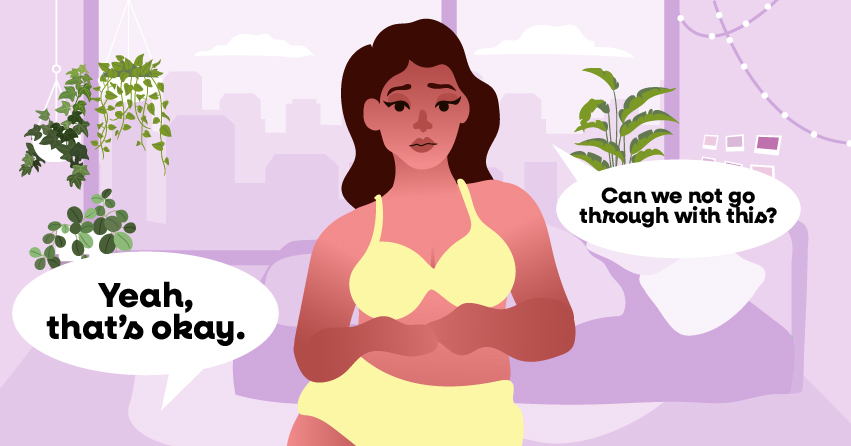
Someone can give consent one moment, but they can also take that back. They can also consent during one session, but not for the next one. You have to withdraw when that happens and respect their decision, whether or not there’s a reason behind it.
Signs That You’re Ready For Sex
Look out for these signs to determine if you’re prepped for the deed here.
1 You feel emotionally prepared and not pressured.

Being ready for sex starts with emotional readiness. You should feel calm, steady, and secure in your decision rather than in conflict, anxiety, or a rush. There should be no pressure from a partner, friends, or societal expectations.
Your choice is personal and should come from an internal place of desire, not from fear of losing someone or “keeping up” with others. Feeling emotionally ready means you’re entering the experience intentionally and with full clarity.
2 You understand the potential emotional and physical outcomes.

Sex brings out a lot of emotions, from connection, vulnerability, excitement, and so much more. Even unexpected emotions can bubble up, too. Being ready is being welcoming of those emotions and knowing how to handle them.
Moreover, you’re aware of the physical outcomes that may arise with sex. Especially when they’re unprotected, so you can take the necessary precautions to prevent them.
Awareness and knowledge are signs of maturity and responsibility, which further indicate your readiness for sex.
3 You’re comfortable discussing boundaries, protection, and consent.

A huge indicator of readiness and maturity! Sex requires quite the preparation beforehand to keep things safe and healthy. If you’re open to having that vital conversation without any qualms, that means you take it seriously and want to ensure things go well. All while still having fun!
Open communication looks like sharing what you’re okay with and not okay with, using protection, and constantly checking in with each other.
4 You feel safe with the person involved.

This sign is so important!
Comfort and safety towards the person you’re about to have sex with means you can completely be yourself, let your vulnerable side out, and truly explore your interests in full. You have to pay close attention to your body language and behavior (the gut doesn’t lie), as well as your thoughts towards the person. If something is off, then something definitely is, and you may need to inspect before diving in.
1 You know your reasons and feel confident in them.

Everyone has different intentions for why they want to have sex. May it be from our list above or something uniquely yours, you stick with it and do not let anyone meddle with it.
What Makes Up Great Sex?

Sex is one thing, but great sex is another. While it’s subjective, here are some common standards to look out for.
- Mutual consent
- Trust and emotional safety
- Clear communication about wants and boundaries
- Kindness, patience, and respect
- Feeling valued and connected
- A focus on shared pleasure, not performance
- Emotional connection and intimacy
- Physical comfort and attraction
- Communication about desires and boundaries
- Timing, environment, and mood
- Respecting each partner’s pace and experience
- Engaging in aftercare afterward.
Safe Sex Tips
Before getting into the details, keep these vital tips in mind.
1 Use barrier protection.
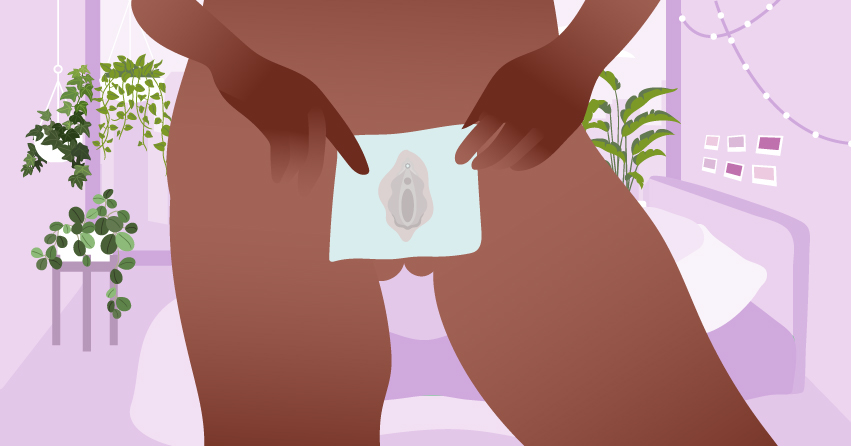
Barrier methods, such as condoms, external condoms, internal condoms, and dental dams, are effective for reducing the risk of sexually transmitted infections (STIs). They create a physical barrier between partners, preventing the exchange of bodily fluids that can transmit infections.
Extra reminders here:
- Use a new barrier every time.
- Check the expiration date.
- Store them properly (away from heat, friction, or sunlight).
- Learn how to use them correctly to prevent breakage.
Even if you’re using another form of birth control, pairing it with a barrier method adds an extra layer of safety.
2 Explore different routes of birth control.

Aside from barrier methods, there’s a wide variety of birth control methods you can learn and even invest in. Alongside the barrier method! It all depends on your comfort level, health, personal preferences, and lifestyle. Those options are:
- Hormonal methods (pills, rings, patch, shot, implant)
- Intrauterine devices (IUD)
- Fertility awareness methods (e.g., Calendar Method)
- Emergency contraception
- More non-hormonal options (copper IUDS)
Understanding these options helps you choose the right method that aligns with your intention, whether it’s to avoid pregnancy or minimize side effects.
3 Do more personal research.

Don’t solely refer to this guide when learning about the world of sex. Read from credible sources such as medical websites, sexual health organizations, or professional educational materials.
4 Communicate openly and honestly.

Healthy sexual experiences rely on clear communication. Before becoming intimate, talk about:
- Boundaries and comfort levels
- Protection and birth control
- STI status or testing history
- Expectations and intentions
- What each person wants and does not want
Honest conversations build trust, make sex safer, and ensure everyone feels respected and understood. Silence or guessing is never safer than speaking up.
5 Avoid having sex during situations where you can’t give consent.

We mentioned the importance of consent earlier. Consent must be enthusiastic, active, and continuous.
- A person who can’t give consent is if they’re:
- Under the influence to the point of impaired judgment
- Asleep or half-asleep
- Unconscious
- Pressured or intimidated
- Confused or unsure
Safe sex is ensuring everyone is on the same page. It’s better to wait if you’re in a better state and fall under the umbrella above.
1Consult with a professional.

Health professionals, such as gynecologists, primary care doctors, nurses, sexual health educators, or counselors, can provide reliable guidance tailored to your body and circumstances.
They can help with:
- Choosing a birth control method
- STI testing and treatment
- Understanding risks and prevention
- Managing anxiety or questions about sex
- Navigating relationship or communication concerns
Professional advice ensures you’re making decisions based on accurate, trustworthy information.
7 Respect one another.

Literally the bare minimum! Respect is one of the strongest and most important pillars of safe sex.
Examples to show this include:
- Accepting someone’s “no” without guilt or negotiation
- Valuing your partner’s comfort as much as yours
- Being kind and open
- Listening to each other
- Checking in with each other
- Providing aftercare
Key Standards of Proper Sex Education
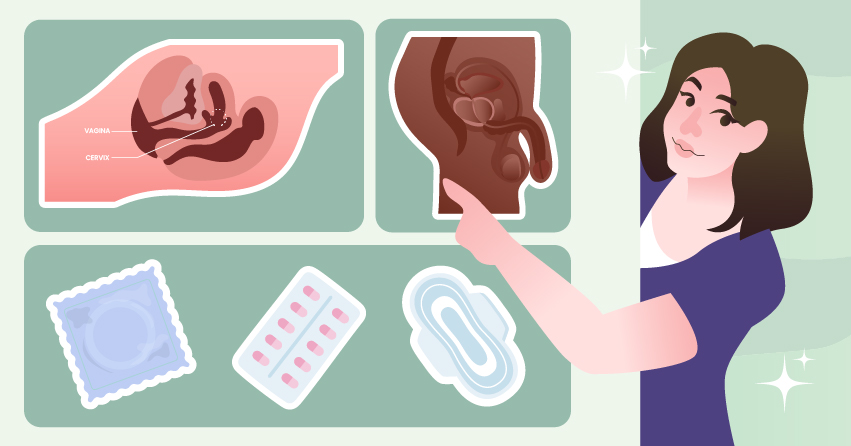
For sex education to be effective for any kind of learner, it must meet the following standards:
- Age-appropriate
- Equips learners with practical skills
- Inclusive
- Gives space and freedom for learners to ask questions
- Emphasizes the importance of consent, communication, and respect
- Fact-based and medically accurate
Watch & Read
For more credible sources, if you want to learn more about sex, this section is for you.
Watch
- Puberty and Reproductive Health – Amaze.org
- This channel features animated educational videos that discuss what happens in our bodies, consent, and sexual health in an age-appropriate way.
- Why Sex Ed is Failing Kids – Vox
- A short documentary-style video that focuses on the lack of sex education worldwide.
- What You Don’t Know About Consent – Laci Green (Sex +)
- A simple, beginner-friendly video that clearly talks about modern consent.
- The Science of Attraction – AsapSCIENCE
- A warm and science-focused video explaining why people feel attraction, which is great for connecting biology and emotional experience.
Read
- Sexual Health Overview – World Health Organization (WHO)
- This guide covers a more holistic definition of sexual health.
- How to Know If You’re Ready for Sex – Healthline
- This article further emphasizes our Signs That You’re Ready For Sex section above.
- Consent Basics – Planned Parenthood
- An informative and accessible guide to modern consent.
- International Technical Guidance on Sexuality Education – UNESCO
- Another useful guide that discusses the ideal standards for great sexual education.
Summary
- Talking about sex is necessary if we want people to make smart, healthy choices.
- Good sex education gives everyone the facts, the language, and the confidence to navigate relationships without fear or confusion.
- When we break down stigma and have honest conversations, we create space for safer, happier, and more respectful experiences.
- Consent is vital in every sexual experience.
- The more we talk about sex responsibly, the better off everyone is.
References
Advocates for Youth. (n.d.). Comprehensive sex education research and results [PDF]. https://www.advocatesforyouth.org/wp-content/uploads/storage/advfy/documents/fscse.pdf
AlloHealth. (n.d.). Fisting: Sexual arousal and pleasure. https://www.allohealth.com/blog/sexual-education/sexual-arousal-and-pleasure/fisting-sexual
Better Health Channel. (2023, October 10). Oral sex. https://www.betterhealth.vic.gov.au/health/healthyliving/Oral-sex
Cleveland Clinic. (2017). Sexual response cycle. Cleveland Clinic. https://my.clevelandclinic.org/health/articles/9119-sexual-response-cycle
Cosmopolitan. (n.d.). Cunnilingus: Oral-sex definition. https://www.cosmopolitan.com/sexopedia/a8115340/cunnilingus-oral-sex-definition/
Healthline. (n.d.). What is rimming? Healthy-sex. https://www.healthline.com/health/healthy-sex/what-is-rimming
Healthline. (n.d.). What is the clitoris? Healthy-sex. https://www.healthline.com/health/healthy-sex/clitoris
Kids Help Phone. (2018, June 19). What is sexting? https://kidshelpphone.ca/get-info/what-sexting/
Medical News Today. (2025, April 16). What is the refractory period — and can you reduce it? https://www.medicalnewstoday.com/articles/refractory-period Medical News Today
Medical News Today. (n.d.). Dry-humping. https://www.medicalnewstoday.com/articles/dry-humping
My Cleveland Clinic. (n.d.). Masturbation. https://my.clevelandclinic.org/health/articles/24332-masturbation
Natural Cycles. (2024, November 14). What is foreplay? https://www.naturalcycles.com/cyclematters/what-is-foreplay Natural Cycles
Save the Children International. (2024, February 29). Jump of 35% in teen pregnancies in the Philippines prompts calls to increase sex education and health services. https://www.savethechildren.net/news/jump-35-teen-pregnancies-philippines-prompts-calls-increase-sex-education-and-health-services
Healthline. (n.d.). What is rimming? Healthy-sex. https://www.healthline.com/health/healthy-sex/what-is-rimming
Healthline. (n.d.). What is the clitoris? Healthy-sex. https://www.healthline.com/health/healthy-sex/clitoris
Medical News Today. (2025, April 16). What is the refractory period — and can you reduce it? https://www.medicalnewstoday.com/articles/refractory-period Medical News Today
Medical News Today. (n.d.). Dry-humping. https://www.medicalnewstoday.com/articles/dry-humping
My Cleveland Clinic. (n.d.). Masturbation. https://my.clevelandclinic.org/health/articles/24332-masturbation
Natural Cycles. (2024, November 14). What is foreplay? https://www.naturalcycles.com/cyclematters/what-is-foreplay Natural Cycles
Quinn. (2024, March 30). How to hump a pillow. https://www.tryquinn.com/blog/how-to-hump-a-pillow
RAINN. (2025, June 13). Consent 101: Respect, boundaries & building trust. https://rainn.org/share-the-facts/consent-101-respect-boundaries-and-building-trust/
Sense (Information Centre for Sexuality). (n.d.). Fellatio. https://www.sense.info/en/sex/sex-techniques/fellatio
Sex Education Australia. (2022, June 15). Private parts: Two clear reasons why we should teach correct terminology. https://www.sexeducationaustralia.com.au/private-parts-two-clear-reasons-why-we-should-teach-correct-terminology/
Verywell Mind. (n.d.). Why sexual aftercare is so important. https://www.verywellmind.com/why-sexual-aftercare-is-so-important-7506702
Verywell Health. (2024, October 7). The sexual response cycle in females and males. https://www.verywellhealth.com/sexual-response-cycle-8714621 Verywell Health
WebMD. (2011, September 4). 4 things you didn’t know about oral sex. https://www.webmd.com/sex-relationships/features/4-things-you-didnt-know-about-oral-sex
WebMD. (2025, January 7). What is fingering? https://www.webmd.com/sex/what-is-fingering WebMD
World Health Organization. (2006). Sexual health. World Health Organisation. https://www.who.int/health-topics/sexual-health#tab=tab_2
Women’s Health UK. (n.d.). A beginner’s guide to sex parties – what you should know. https://www.womenshealthmag.com/uk/health/sexual-health/a37244390/a-beginners-guide-to-sex-parties-what-you-should-know/